
CHICAGO (AP) — Illinois is the first state in the U.S. to ensure child social media influencers are compensated for their work, according to Sen. David Koehler, of Peoria, who sponsored a bill that was signed into law and will go into effect on July 1, 2024.
“The rise of social media has given children new opportunities to earn a profit,” Koehler said in an emailed press release after the bill was signed Friday afternoon. “Many parents have taken this opportunity to pocket the money, while making their children continue to work in these digital environments.”
The idea for the law, which covers children under the age of 16 featured in monetized online platforms, including video blogs (also known as vlogs), was brought to Koehler by a 15-year-old in his district, the Democratic senator said.
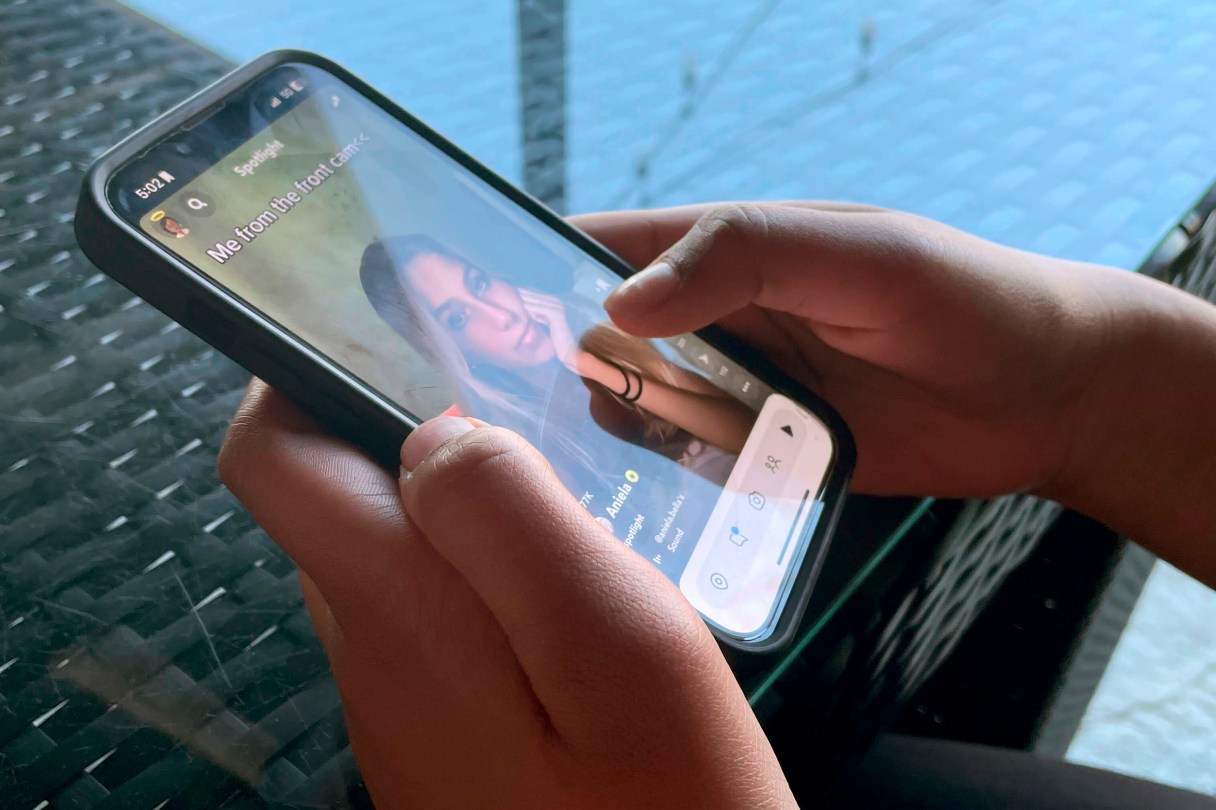
Besides coordinated dances and funny toddler comments, family vlogs nowadays may share intimate details of their children’s lives — grades, potty training, illnesses, misbehaviors, first periods — for countless strangers to view. Brand deals featuring the internet’s darlings can reap tens of thousands of dollars per video, but so far there are minimal regulations for the “sharenthood” industry, which experts say can cause serious harm to children.
“Videos with kids do really well,” said Bobbi Althoff, a TikToker with more than 5 million followers who used to feature her young daughter in paid advertising, but has since decided not to for privacy reasons.