
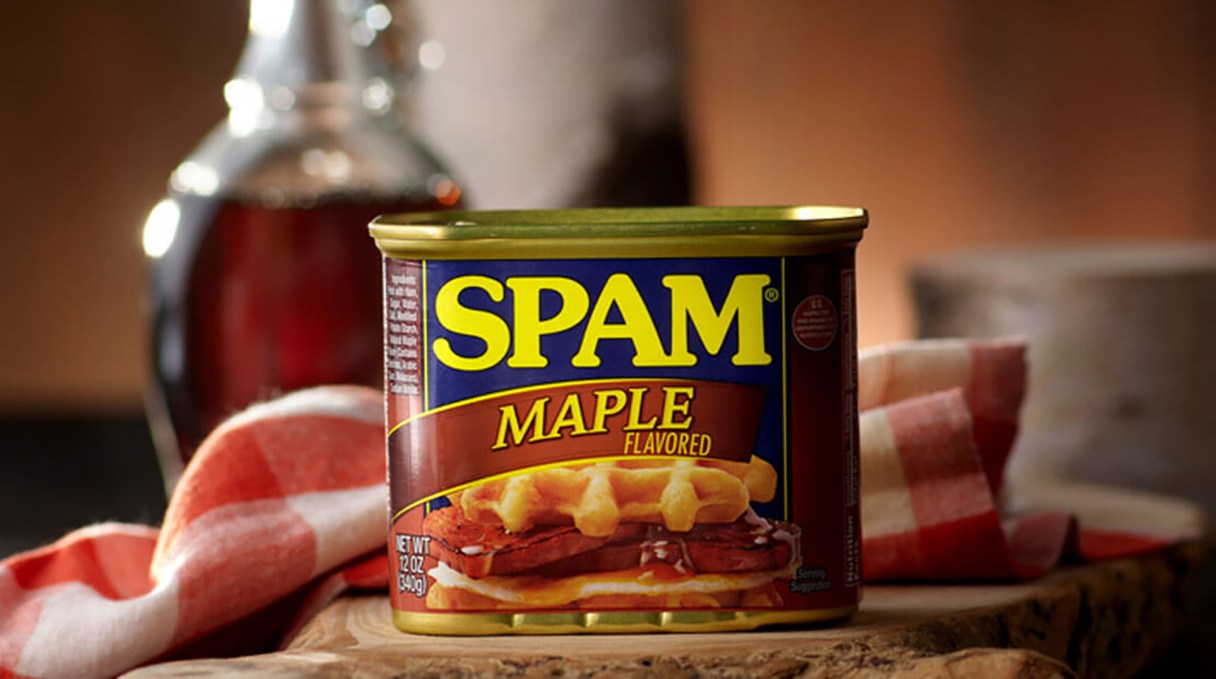
AUSTIN, Minn. — Spam is just canned meat with a catchy name. Yet its cultural legacy rivals any of Minnesota’s other famous exports.
It fueled countless soldiers during World War II, inspired new international cuisine, spawned a museum and even led to the creation of a digital term people encounter on a daily basis. And nearly 90 years after it was introduced, Spam still commands a global army of fans.
“People always want to tell me their Spam stories,” said Savile Lord, manager of the Spam Museum in Austin. “Nobody ever comes in and shares their tuna fish stories.”
It’s those Spam stories that keep the Minnesota-born luncheon meat in our cultural cupboards.
Reader Sharon Carlson has never tasted Spam, but she has been wondering how it came to be such a phenomenon. Carlson asked Curious Minnesota, the Star Tribune’s reader-powered reporting project, to look into the backstory of Spam’s success.