
(Editor’s note: First of two stories)
It’s difficult to imagine our world today without seemingly endless ads promoting tourism. We’re enticed to book the “cruise of a lifetime” or join an expert-led tour to one of the far-flung corners of the world. Families plan vacations months — sometimes years — before the event because lives are busy, professional duties are demanding, and time “away” is just what the family needs to renew its ties.
Interestingly, Chattanooga tourism was on the front pages of newspapers around the nation in 1889. Why was Chattanooga poised to become a favorite city to visit and what specific sites were being promoted?
The Civil War had ripped the nation apart, and the struggle to save the Union had been fought with tremendous loss of life — more than 600,000 casualties — as well as thousands of permanent, unseen injuries to those who had fought, and civilians affected by the conflict. However, Tennessee recovered faster (in 1866) than other former Confederate states in rebellion. The Tennessee legislature ratified the 13th Amendment in April 1865, and there was never a “Reconstruction government” placed in authority over the citizens of the Volunteer State.
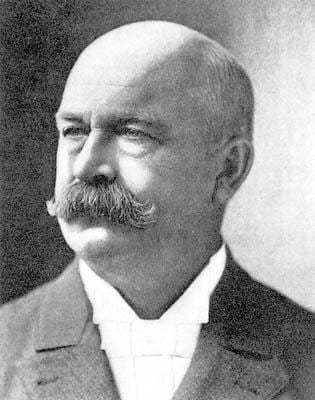
Additionally, as the state that witnessed the second-highest number of battles, many Union officers and soldiers had seen firsthand — albeit through an often-smoky battle lens — the beauty of the region. A large number returned to assist in Chattanooga’s rebuilding. Aided by prompt reconciliation efforts between Union and Confederate veterans due to the efforts of prominent leaders, U.S. Army Lt. Col. Henry Boynton, MOH, and Gen. A.P. Stewart, CSA, Chattanooga became a favorite spot mentioned in tourism ads, here and abroad.