
Monday, November 16, 2026Nov 16

Workers exposed to extreme heat have no consistent protection in the US

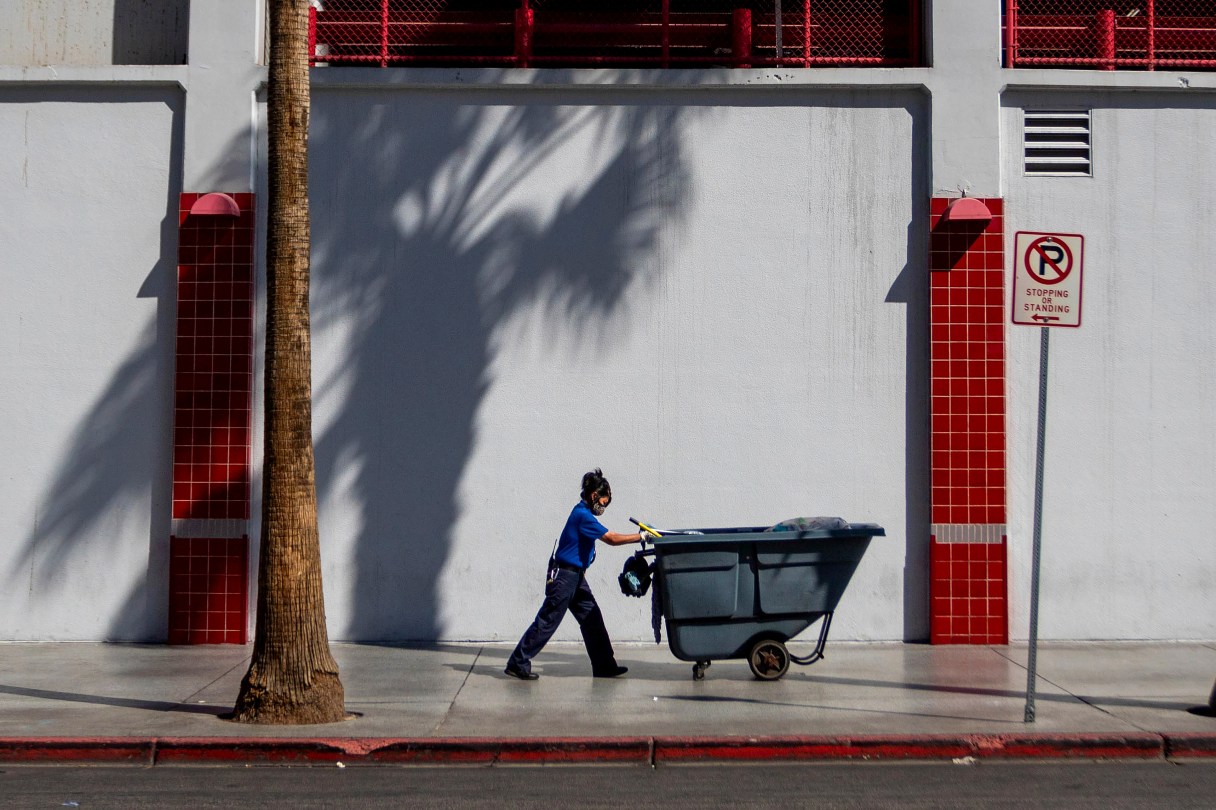
A maintenance worker pushes a refuse cart in the sun, Friday, Aug. 25, 2023, in Las Vegas. A historic heat wave that began blasting the Southwest and other parts of the country this summer is shining a spotlight on one of the harshest, yet least-addressed, effects of climate change in the U.S.: the rising deaths and injuries of people who work in extreme heat, whether inside hot warehouses and kitchens or outside under the blazing sun. Many of them are migrants in low-wage jobs. (AP Photo/Ty O'Neil)


RENO, Nev. (AP) — Santos Brizuela spent more than two decades laboring outdoors, persisting despite a bout of heatstroke while cutting sugarcane in Mexico and chronic laryngitis from repeated exposure to the hot sun while on various other jobs.

But last summer, while on a construction crew in Las Vegas, he reached his breaking point. Exposure to the sun made his head ache immediately. He lost much of his appetite.

Now at a maintenance job, Brizuela, 47, is able to take breaks. There are flyers on the walls with best practices for staying healthy — protections he had not been afforded before.

“Sometimes as a worker you ask your employer for protection or for health and safety related needs, and they don’t listen or follow,” he said in Spanish through an interpreter.