
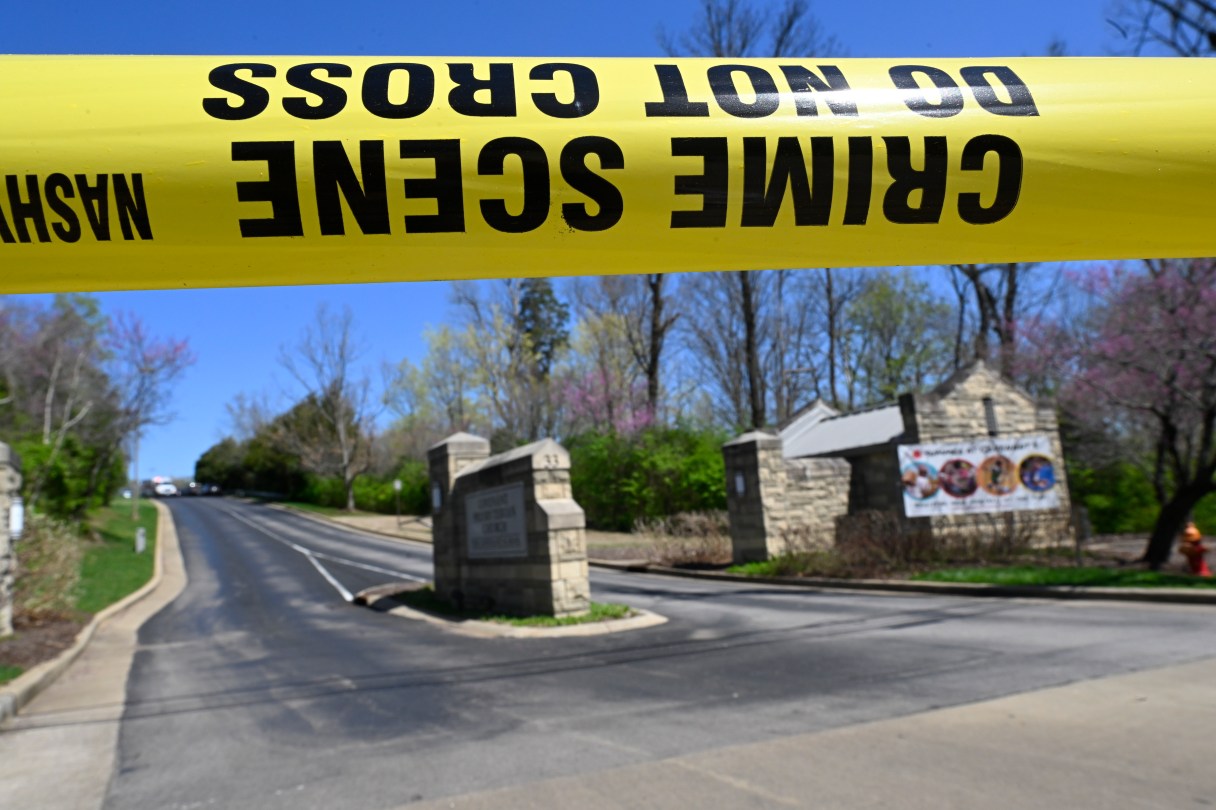
NASHVILLE, Tenn. (AP) — Parents of school shooting victims in Tennessee can seek a court order to keep the writings of the shooter from ever being released to the public, the Tennessee Court of Appeals ruled on Thursday.
The parents, along with The Covenant School and Covenant Presbyterian Church, which shares a building with the school, all have a right to participate in a court case that will determine which police records can be released to the public, the Appeals Court ruled.
The public records case was brought by media groups, nonprofit organizations and a state senator. Those groups all requested police records from the March 27 shooting at the private Christian school in Nashville where three 9-year-old children and three adults were murdered. When police denied their Tennessee Public Records Act request, they sued.
The shooter left behind at least 20 journals, a suicide note and a memoir, according to court filings. Metro Nashville Police have said they will release the records, but not until the investigation is complete, which could take several more months.
Tennessee courts have found that law enforcement agencies can refuse to release records during an ongoing investigation. The groups that want the records released right away argue that the shooter is dead, so there can be no active investigation. But that issue has taken a back seat to the separate fight over who can be a party to the lawsuit.