
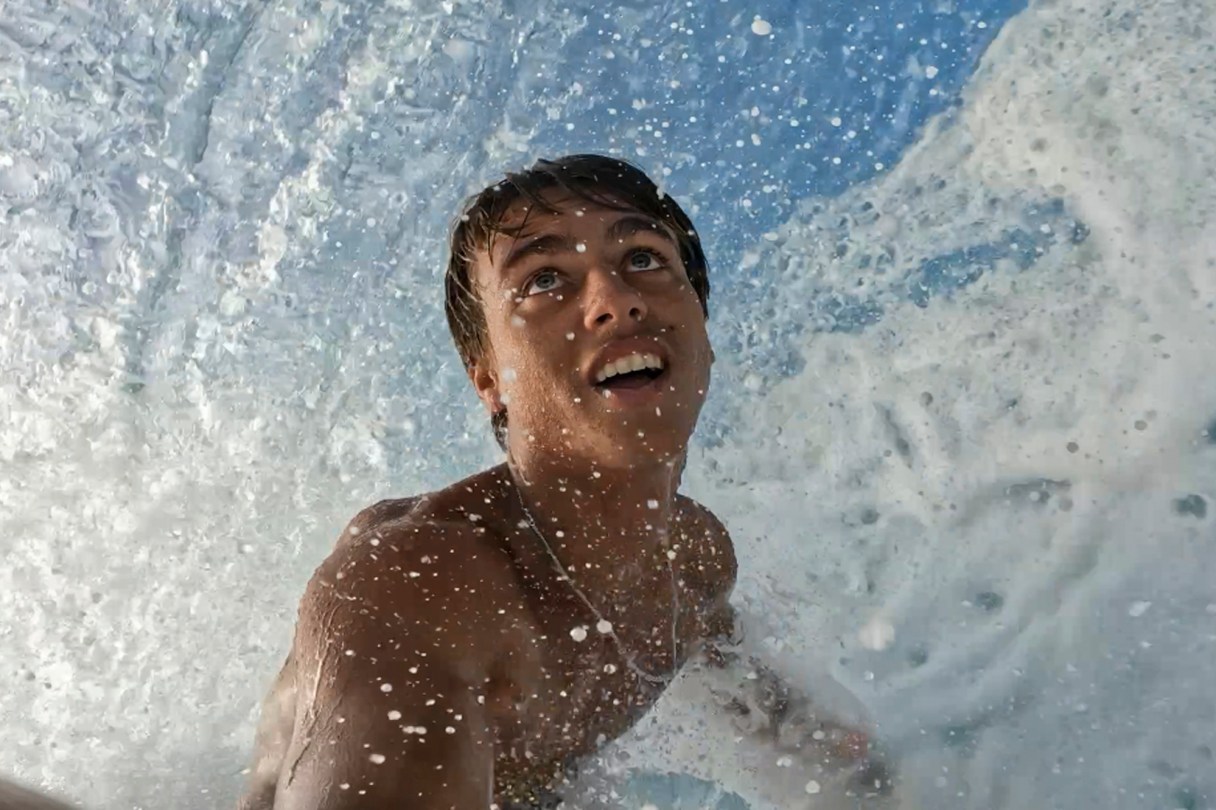
PARIS (AP) — The giant waves form in the storm belts of the Southern Ocean, off Antarctica, where whales roam. Supercharged by intense winds, the swells then roll on an ocean journey of thousands of kilometers (miles) to crash into Tahiti in the South Pacific.
There, in the waters of the volcanic island that will host next year’s Olympic surfing events, surfer Kauli Vaast waits.
If the Tahitian-born 21-year-old catches one of the waves just right, he’ll harness its awesome power as it rears up to become a furious, frothing wall of water. If he stays upright, he’ll zip through the crystal-blue tunnel that forms around him as the wave breaks, emerging unscathed and whooping, with a grin on his face.
“Just the most perfect wave in the world,” says Vaast, who hopes the island’s legendary surfing conditions are his ticket to a gold medal.
The decision to hold Olympic surfing in French Polynesia next July will require competitors to brave some of the world’s biggest waves. The location promises more dramatic television images than when the sport made its Olympic debut at the Tokyo Games in 2021. Then, the waves on Tsurigasaki Beach were sometimes modest, and COVID-19 dented the atmosphere.