
Tuesday, November 17, 2026Nov 17

Angola is leaving OPEC oil cartel after 16 years after dispute over production cuts

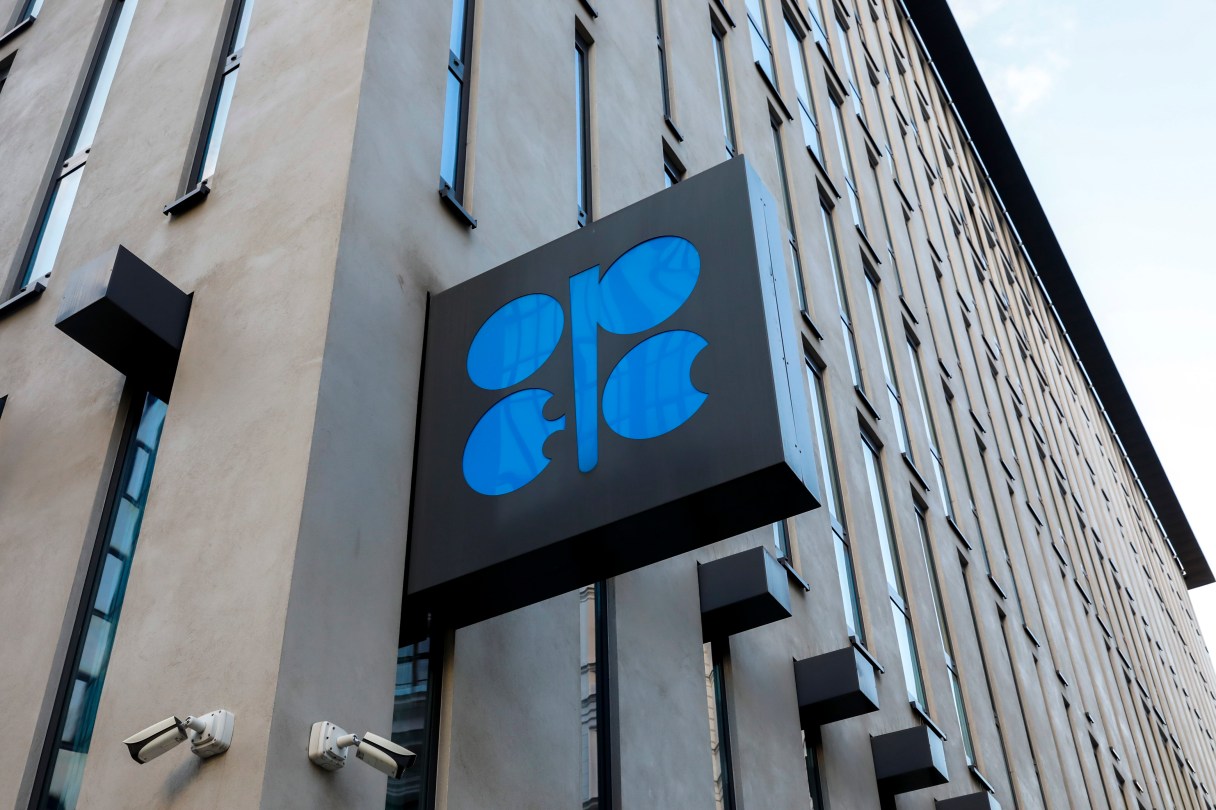
FILE - The logo of the Organization of the Petroleoum Exporting Countries (OPEC) is seen outside of OPEC's headquarters in Vienna, Austria, on March 3, 2022. Angola says it’s leaving the OPEC oil producers cartel, coming after it battled with the group over lower production quotas this year. According to state news agency Angop, the African nation’s oil minister said Thursday that Angola “does not gain anything by remaining in the organization.” (AP Photo/Lisa Leutner, File)

LONDON (AP) — Angola announced Thursday that it’s leaving the OPEC oil producers cartel, coming after it battled with the group over lower production quotas this year.

Diamantino de Azevedo, the African nation’s oil minister, said Angola “does not gain anything by remaining in the organization,” according to state news agency Angop. The country joined OPEC in 2007.

Disagreements over lower oil quotas for some African countries, including Angola, led to an usual dayslong delay to OPEC’s November meeting, where the group, along with allied producers led by Russia, decide how much oil to send to the world.

At the meeting, Angola’s production level was dropped to 1.11 million barrels per month after an assessment by the three independent sources, the organization said.

OPEC, led by Saudi Arabia, has been trying to bolster oil prices that have fallen in recent months over concerns about too much crude circulating in a weakening global economy, which could weigh on the thirst for oil for travel and industry.