
Although Chattanooga is a city widely renowned for its natural beauty and scenic landscapes, it simultaneously grapples with a pressing issue that often remains unseen underneath its external beauty. Currently, more than 700 individuals face homelessness in Chattanooga, and that number includes school-aged children. Homelessness is an issue that every city struggles with, but rates have burgeoned exponentially in recent years in Chattanooga, rising more than 80% between 2020 and 2022. Now, it is a phenomenon that can be glossed over no longer.
Mayor Tim Kelly’s administration has taken a three-pronged, housing-first approach to combating homelessness and was admirably able to reduce the rate by 30% in 2023. However, the majority of governmental initiatives face roadblocks and red tape preventing their full execution, and the efforts from the city to construct a permanent housing complex face the same barriers.
Given the number of pressing issues simultaneously affecting Chattanooga, the local government alone won’t be able to solve homelessness: Chattanooga needs public-private partnerships and more citizen engagement to help cement a more permanent solution to homelessness.
Despite strong evidence of positive impact and cost-effectiveness, there is insufficient funding for affordable housing and supportive services to meet demand throughout the country. In Chattanooga, the Chattanooga Regional Homeless Coalition (CRHC) uses a flexible housing fund subsidized primarily by the federal Department of Housing to provide more than 450 services for rehousing homeless individuals. However, the $423,032 flex fund is often drained within four or five months, and the coalition needs to almost double the fund to best address the needs of the homeless population. Throughout the past two tax cycles that the fund has been distributed, it has helped more than 350 families.
At a recent meeting about homelessness, Martha, a formerly homeless woman who found housing through First Presbyterian Church, attested to the power of ministry fellowships and organizations like the CRHC, stating that “they saw something in me that I did not see in myself.” Before homelessness, Martha overcame ovarian cancer, substance abuse and childhood trauma, but after losing her adoptive son and subsequently her job, she was unable to continue paying for housing and entered homelessness. Martha’s story reflects that of the vast majority of the homeless population. More often than not, unhoused individuals were unable to bear the brunt of paying rent after losing their jobs.
All of this goes to show that homelessness is no longer an issue we can ignore: With winter and below-freezing temperatures upon us, public-private partnerships would greatly aid Chattanooga in creating a comprehensive solution to homelessness.
One promising approach is Pay-for-Success initiatives, a type of public-private partnership that is proven to succeed in addressing homelessness, pairing a performance-based contract with an upfront investment which has the potential to be repaid based on the project’s overall success. For example, in the Massachusetts Bay Area, local nonprofits leveraged a mix of philanthropic contributions and private investor capital to provide upfront funding for housing and supportive services for more than 1,500 people. Eighty-five percent of those housed remained in housing or saw a “positive exit” to other permanent housing or more appropriate care after five years, and the average savings in health care per tenant was $5,267 annually. Such a model could have similar success in Chattanooga.
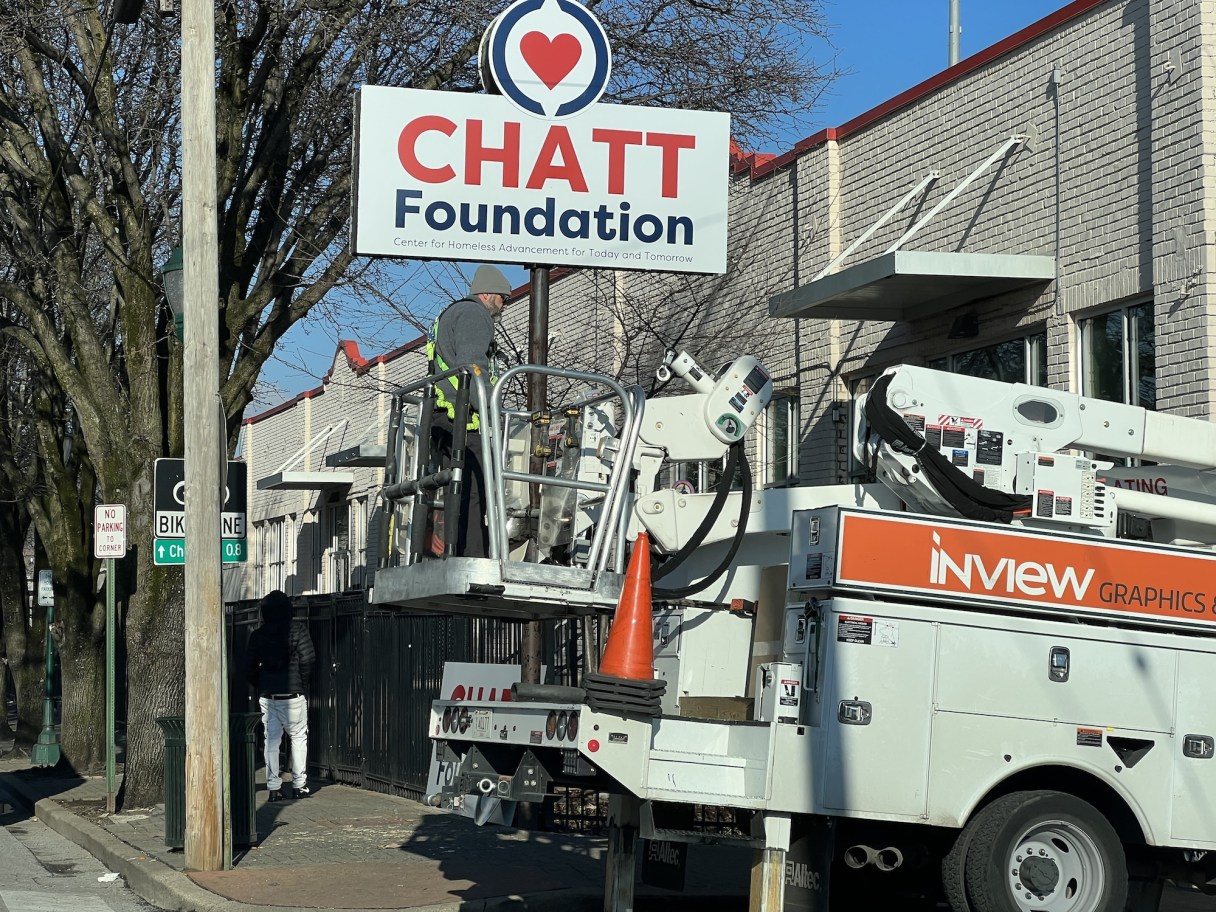
Further, to provide a more immediate and specific solution, local businesses, restaurants and families also can consider partnering with the CHATT Foundation and Chattanooga Homeless Coalition to sponsor individual homeless people or families, working with these organizations until those they are sponsoring are safely rehabilitated. Chattanooga has a long-standing history of philanthropy and upliftment, and together, we can work to make a difference in the lives of homeless people throughout our city who endure the harsh extremities of the world every day.
I’m also calling upon all my fellow students at Baylor, McCallie, GPS, Notre Dame and other schools to come together and work toward making a difference in something we see and encounter every day in our lives here in Chattanooga and is painful for us … and wish we could help solve.
With the help of other concerned citizens, we are planning a meeting in January 2024 to get all willing and interested parties, including local businesses, together to set up a formal plan to create public-private partnerships to find a permanent solution to homelessness.
Alisha Chandra is a member of the Baylor School class of 2025. Contact her at EndChattanoogaHomelessness@gmail.com if you want to be part of this effort.