
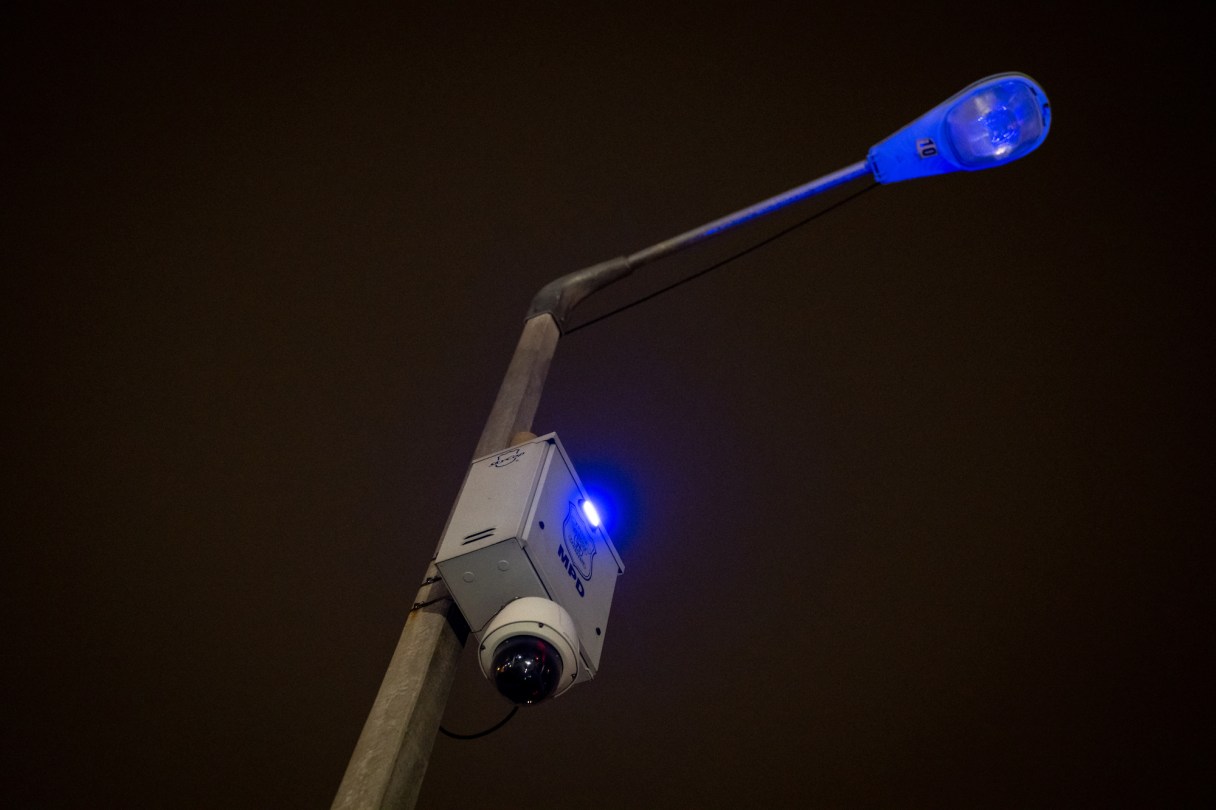
If the video footage from the Tyre Nichols beating in Memphis tells us anything, it’s that we need to keep protecting the tools that allow public accountability for corruption.
Two bills in the Tennessee General Assembly last year sought to reduce a citizen’s ability to view body cam or other law enforcement video footage.
One passed and one didn’t.
The intentions were not necessarily bad — trying to protect privacy of individuals or children captured on body cam footage, and trying to help law enforcement manage the overwhelming amount of footage being produced now that body cams are affixed to the chest or shoulder of many officers.
But we shouldn’t block citizen access to law enforcement video of a police officer’s excessive use of force simply because the video shows the inside of a daycare center or a health care facility or a juvenile in a school, as the bill that passed allows.