
Monday, November 16, 2026Nov 16

Supreme Court weighs Google’s liability in ISIS terror case

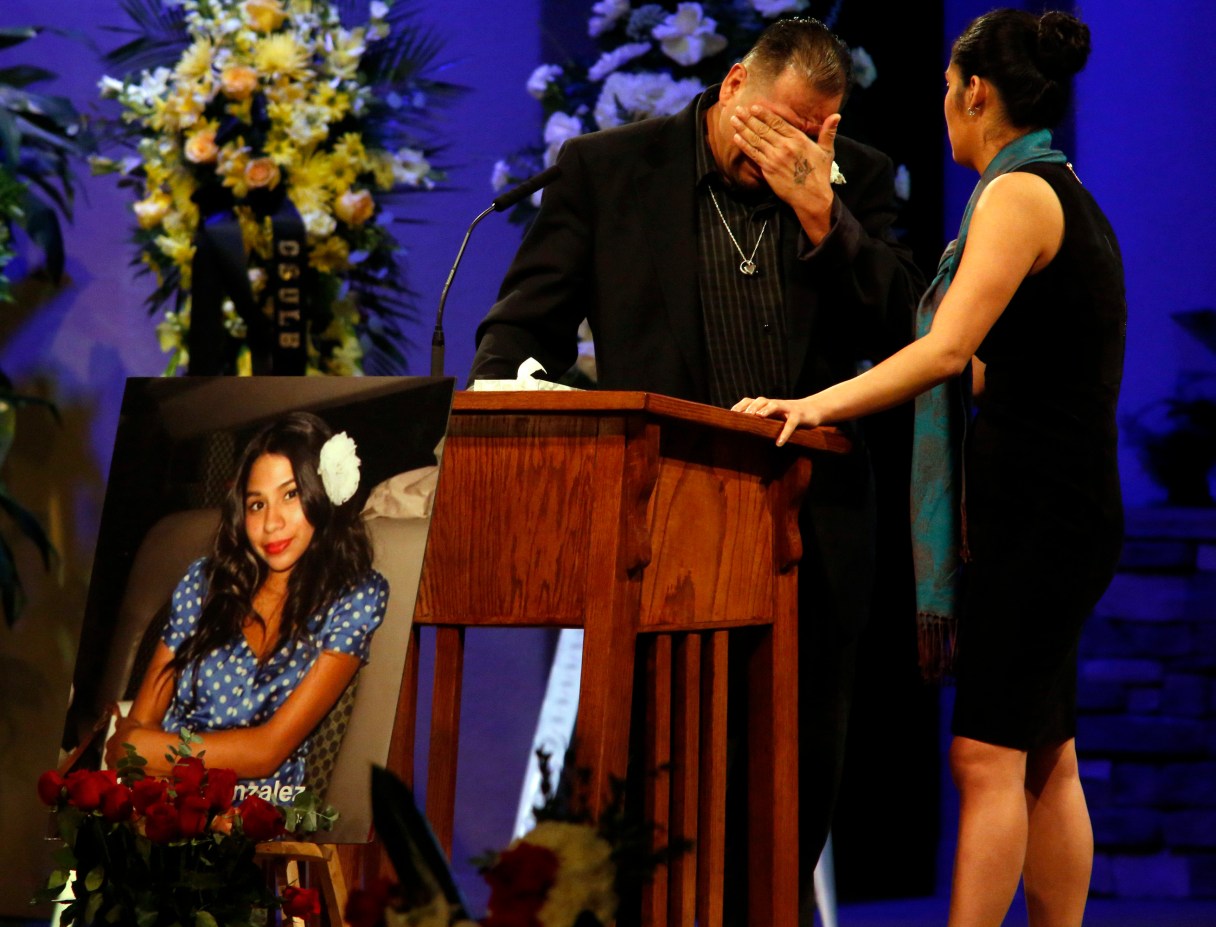
FILE - Reynaldo Gonzalez cries while remembering his daughter Nohemi Gonzalez, who was killed by Islamic State gunmen in Paris, at her funeral at the Calvary Chapel in Downey, Calif., Dec. 4, 2015. A lawsuit against YouTube from the family of Nohemi Gonzalez is at the center of a closely watched Supreme Court case being argued Tuesday, Feb. 21, 2023. (Genaro Molina/Los Angeles Times via AP, Pool, File)


WASHINGTON (AP) — The Supreme Court is taking up its first case about a federal law that is credited with helping create the modern internet by shielding Google, Twitter, Facebook and other companies from lawsuits over content posted on their sites by others.

The justices are hearing arguments Tuesday about whether the family of an American college student killed in a terrorist attack in Paris can sue Google for helping extremists spread their message and attract new recruits.

The case is the court’s first look at Section 230 of the Communications Decency Act, adopted early in the internet age, in 1996, to protect companies from being sued over information their users post online.

Lower courts have broadly interpreted the law to protect the industry, which the companies and their allies say has fueled the meteoric growth of the internet and encouraged the removal of harmful content.