
Children struggling with obesity should be evaluated and treated early and aggressively, including with medications for kids as young as 12 and surgery for those as young as 13, according to new guidelines released Monday.
The longstanding practice of “watchful waiting,” or delaying treatment to see whether children and teens outgrow or overcome obesity on their own only worsens the problem that affects more than 14.4 million young people in the U.S. Left untreated, obesity can lead to lifelong health problems, including high blood pressure, diabetes and depression.
“Waiting doesn’t work,” said Dr. Ihuoma Eneli, co-author of the first guidance on childhood obesity in 15 years from the American Academy of Pediatrics. “What we see is a continuation of weight gain and the likelihood that they’ll have (obesity) in adulthood.”
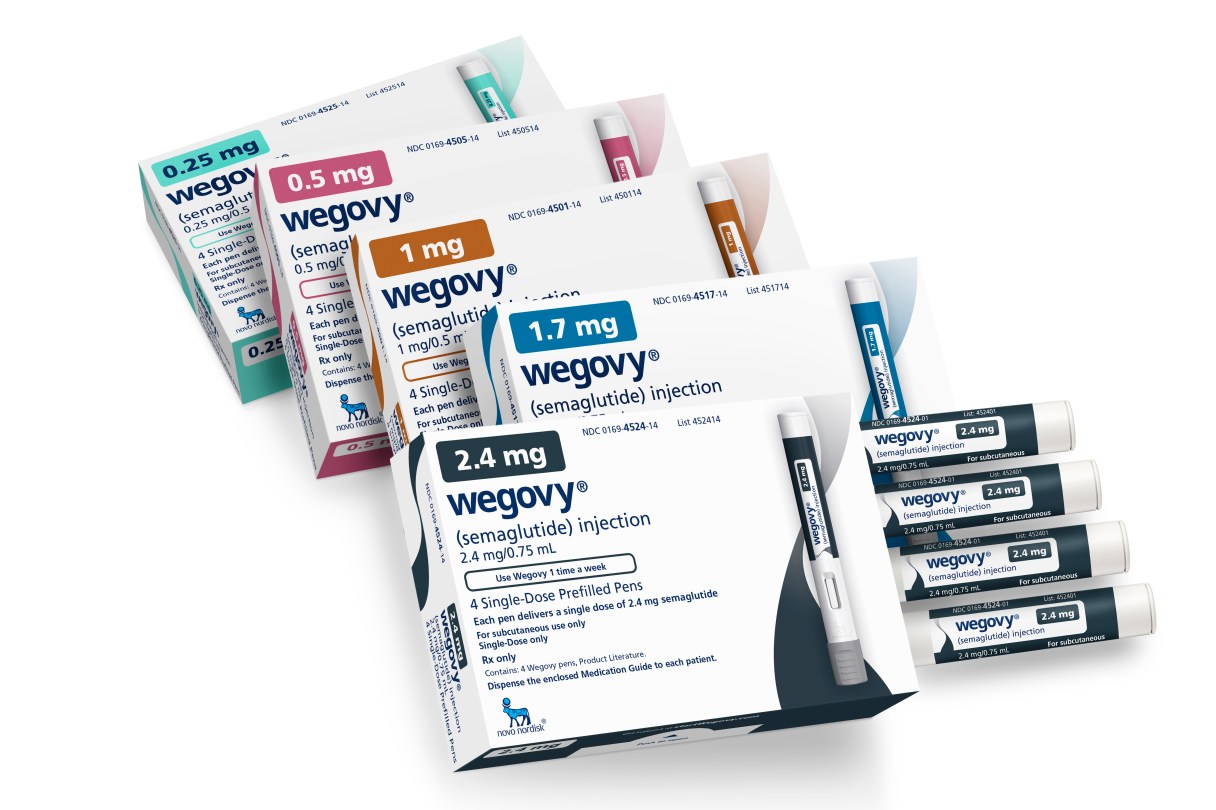
For the first time, the group’s guidance sets ages at which kids and teens should be offered medical treatments such as drugs and surgery — in addition to intensive diet, exercise and other behavior and lifestyle interventions, said Eneli, director of the Center for Healthy Weight and Nutrition at Nationwide Children’s Hospital.
In general, doctors should offer adolescents 12 and older who have obesity access to appropriate drugs and teens 13 and older with severe obesity referrals for weight-loss surgery, though situations may vary.