
Friday, November 13, 2026Nov 13

UK space industry mulls setback after satellite launch fails

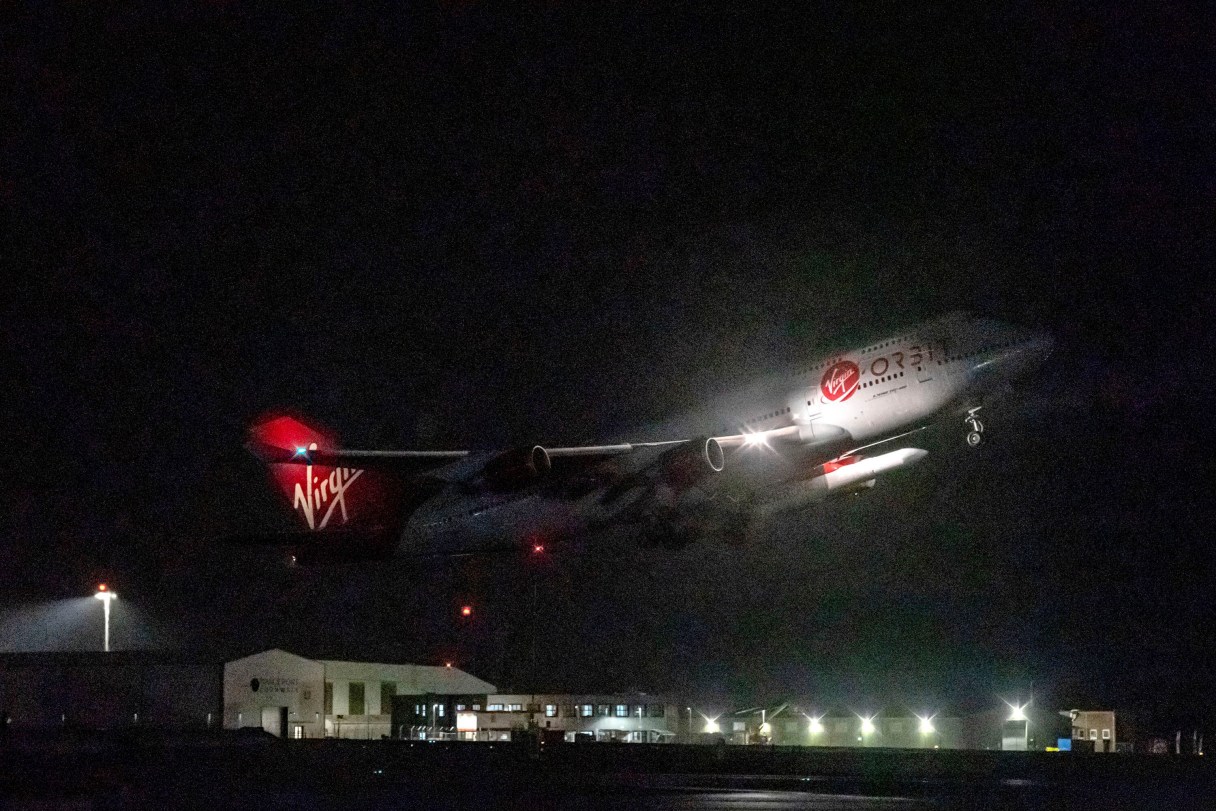
A repurposed Virgin Atlantic Boeing 747 aircraft, named Cosmic Girl, carrying Virgin Orbit's LauncherOne rocket, takes off from Spaceport Cornwall at Cornwall Airport, Newquay, England, Monday, Jan. 9, 2023. The plane will carry the rocket to 35,000 feet where it will be released over the Atlantic Ocean to the south of Ireland, as part of the Start Me Up mission and the first rocket launch from U.K. The rocket will take multiple small satellites, with a variety of civil and defence applications, into orbit. (Ben Birchall/PA via AP)
A repurposed Virgin Atlantic Boeing 747 aircraft, named Cosmic Girl, carrying Virgin Orbit's LauncherOne rocket, takes off from Spaceport Cornwall at Cornwall Airport, Newquay, England, Monday, Jan. 9, 2023. The plane will carry the rocket to 35,000 feet where it will be released over the Atlantic Ocean to the south of Ireland, as part of the Start Me Up mission and the first rocket launch from U.K. The rocket will take multiple small satellites, with a variety of civil and defence applications, into orbit. (Ben Birchall/PA via AP) A repurposed Virgin Atlantic Boeing 747 aircraft, named Cosmic Girl, carrying Virgin Orbit's LauncherOne rocket, takes off from Spaceport Cornwall at Cornwall Airport, Newquay, England, Monday, Jan. 9, 2023. The plane will carry the rocket to 35,000 feet where it will be released over the Atlantic Ocean to the south of Ireland, as part of the Start Me Up mission and the first rocket launch from U.K. The rocket will take multiple small satellites, with a variety of civil and defence applications, into orbit. (Ben Birchall/PA via AP)

LONDON (AP) — British officials and space scientists said Tuesday they were disappointed but not deterred after the first attempt to launch satellites into orbit from the U.K. ended in failure.

U.S.-based Virgin Orbit attempted its first international launch late Monday, using a modified jumbo jet to carry one if its rockets from Cornwall in southwestern England over the Atlantic Ocean.

The plane released the rocket, carrying nine small satellites for a mix of civilian and domestic uses. But about two hours after the plane took off, the company reported “an anomaly that has prevented us from reaching orbit.”

The plane, piloted by a Royal Air Force pilot, returned to Cornwall. The rocket and satellites were destroyed.

“We’re feeling awful, to be honest – I’m not going to lie,” Melissa Thorpe, head of Spaceport Cornwall. said.