
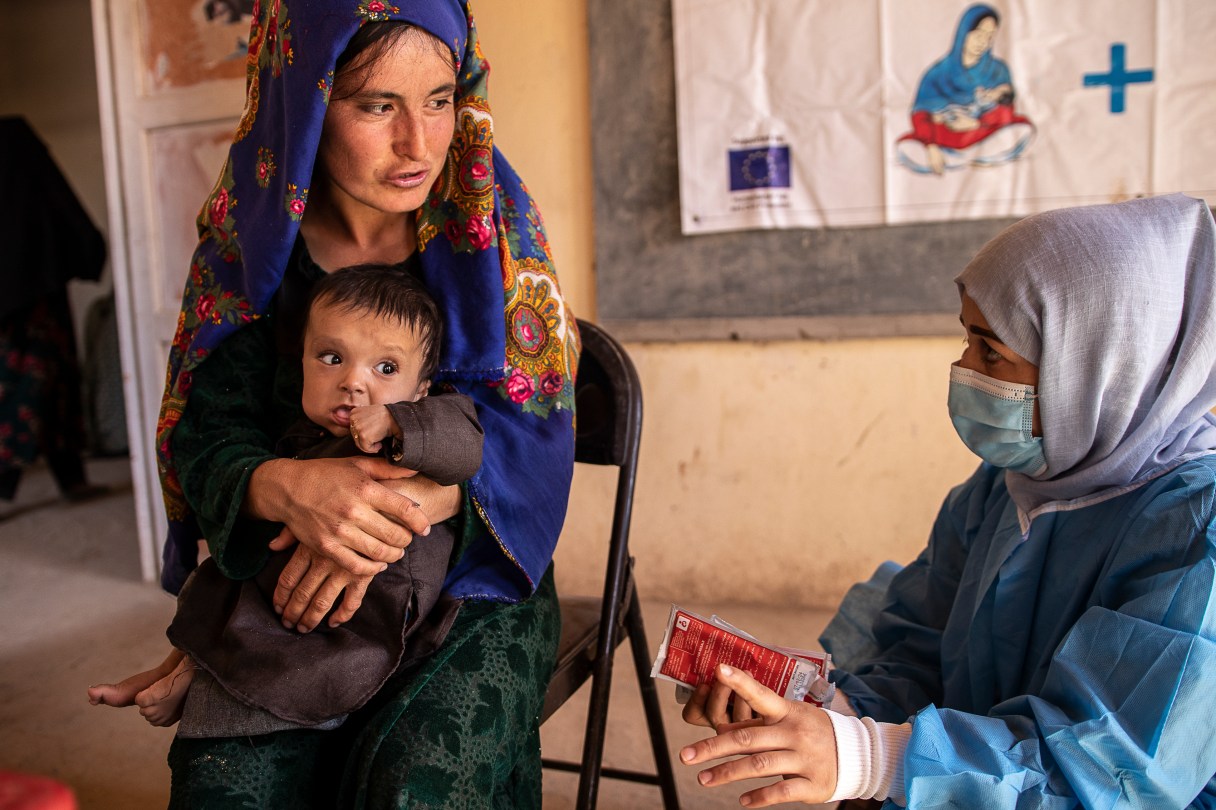
KABUL, Afghanistan (AP) — Last June, a team of female doctors and nurses drove six hours across mountains, dry riverbeds and on unpaved roads to reach victims of a massive earthquake that had just hit eastern Afghanistan, killing more than 1,000 people.
When they got there, a day after the earthquake hit, they found the men had been treated, but the women had not. In Afghanistan’s deeply conservative society, the women had stayed inside their tents, unable to come out to get medical help and other assistance because there were no women aid workers.
“The women still had blood on them,” said Samira Sayed-Rahman, from the aid agency International Rescue Committee. It was only after she met local elders to tell them about the arrival of a female medical team that women came out to get treatment. “That’s not just the situation in emergencies; in many parts of the country, women don’t go out to get aid,” she said.
It’s an example, Sayed-Rahman said, of how vital women workers are to humanitarian operations in Afghanistan — and shows the impact that will be felt after the Taliban last month barred Afghan women from working in non-governmental organizations.