
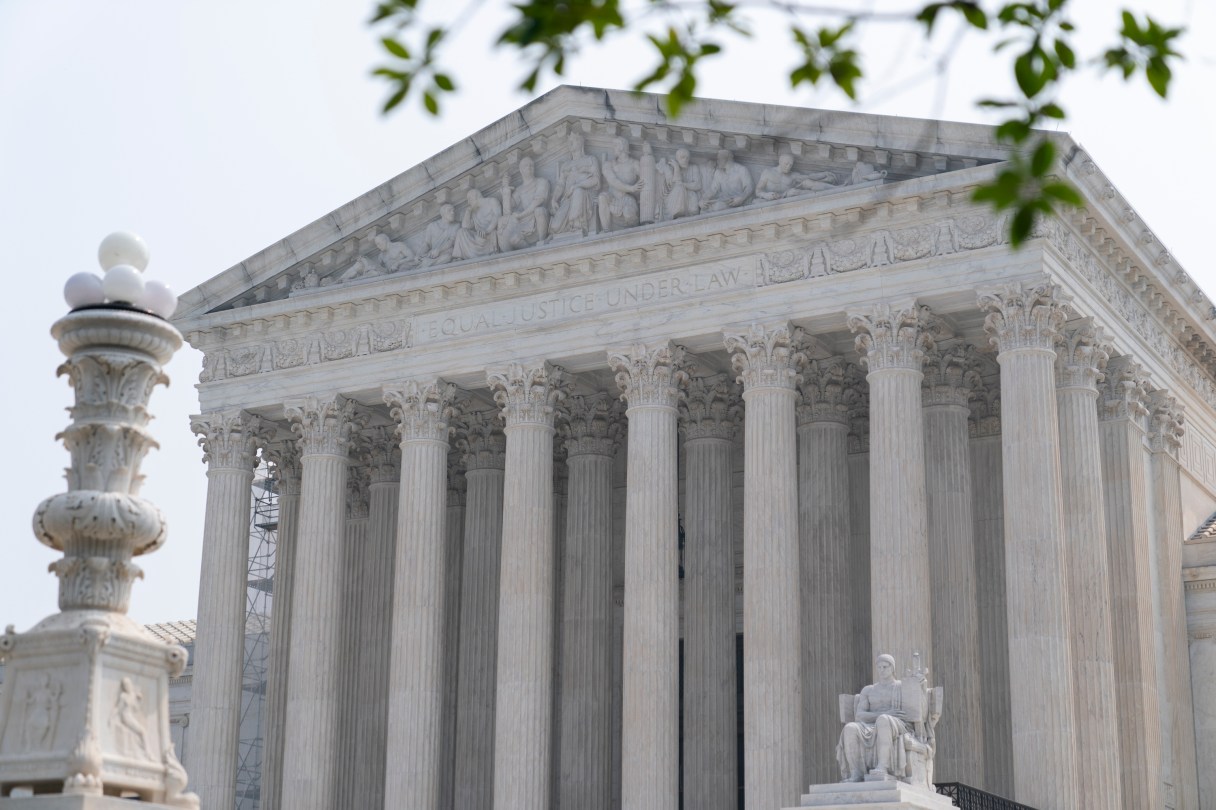
For months, legislators, legal scholars and people simply interested in democracy and elections were fixated on a case before the Supreme Court, Moore v. Harper. Those following the case, which asked the justices to rule on the “independent state legislature doctrine,” have held their collective breath awaiting the outcome, which could have changed fundamental aspects of U.S. elections and politics.
Henry L. Chambers Jr., a law professor at the University of Richmond, wrote earlier for The Conversation about the case, saying “Adoption of a strong independent state legislature doctrine would leave partisan gerrymandering unregulated at both the state and federal levels. State legislatures, unconstrained by state law, could then create aggressively gerrymandered congressional districts, possibly leading to an ever more partisan Congress with accompanying gridlock and policy failures.”
We asked Chambers to help readers understand the court’s opinion, issued on June 27, 2023.
› What question did the Supreme Court answer in this opinion?
The court considered whether a state legislature could have the last word, with no review by state courts, about gerrymandered congressional districts they created. State legislatures have always been bound by the U.S. Constitution and by federal laws, so they had to draw lines consistent with the federal Voting Rights Act, for example. But the question was whether a state legislature could draw whatever congressional districts it wanted without review by state courts under state law. If so, state legislatures might also have more freedom to affect the choice of state electors in presidential elections.