
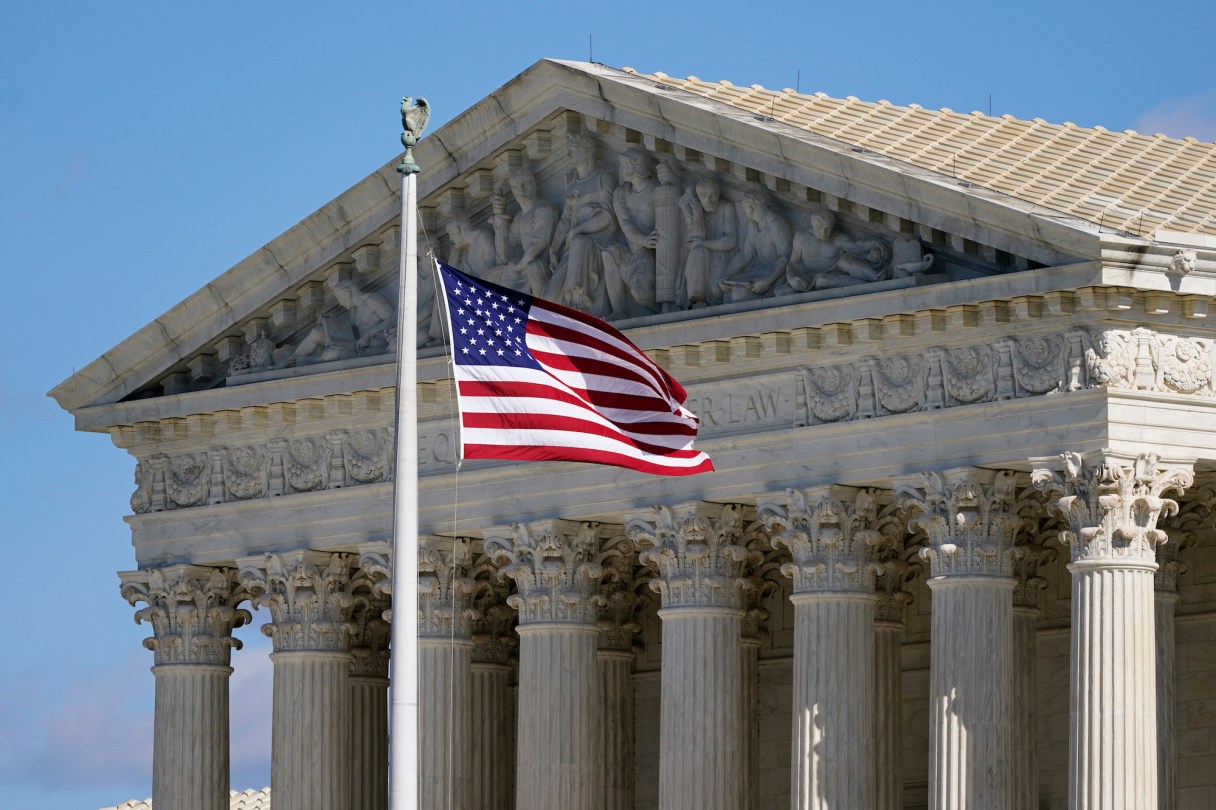
The decision of the U.S. Supreme Court that Harvard University and the University of North Carolina’s use of race in admissions decisions violates the 14th Amendment came as no surprise. Not to us, and not to most anyone who works in or around colleges and universities, which long have known that this decision was going to fall this way and have been preparing accordingly.
Admissions offices, committed to enrolling a diverse classes of students, have been brainstorming on how to achieve those goals in light of a new pending reality. We believe universities will figure out how to do it, and do it right.
The argument in favor of continuing to use race as an explicit factor — as, for example, in assigning bonus points for a candidate’s race or accepting a lower class rank — is that years of racial discrimination demand no less. As Justice Sonia Sotomayor wrote Thursday in her 67-page dissent: “Ignoring race will not equalize a society that is racially unequal. What was true in the 1860s, and again in 1954, is true today: Equality requires acknowledgment of inequality.”
And the argument against? In order to form a more perfect union, America must prohibit all forms of discrimination based on race, regardless of its past, and treat everyone the same.
“Only that promise can allow us to look past our differing skin colors and identities and see each other for what we truly are: individuals with unique thoughts, perspectives and goals, but with equal dignity and equal rights under the law,” wrote Justice Clarence Thomas.