
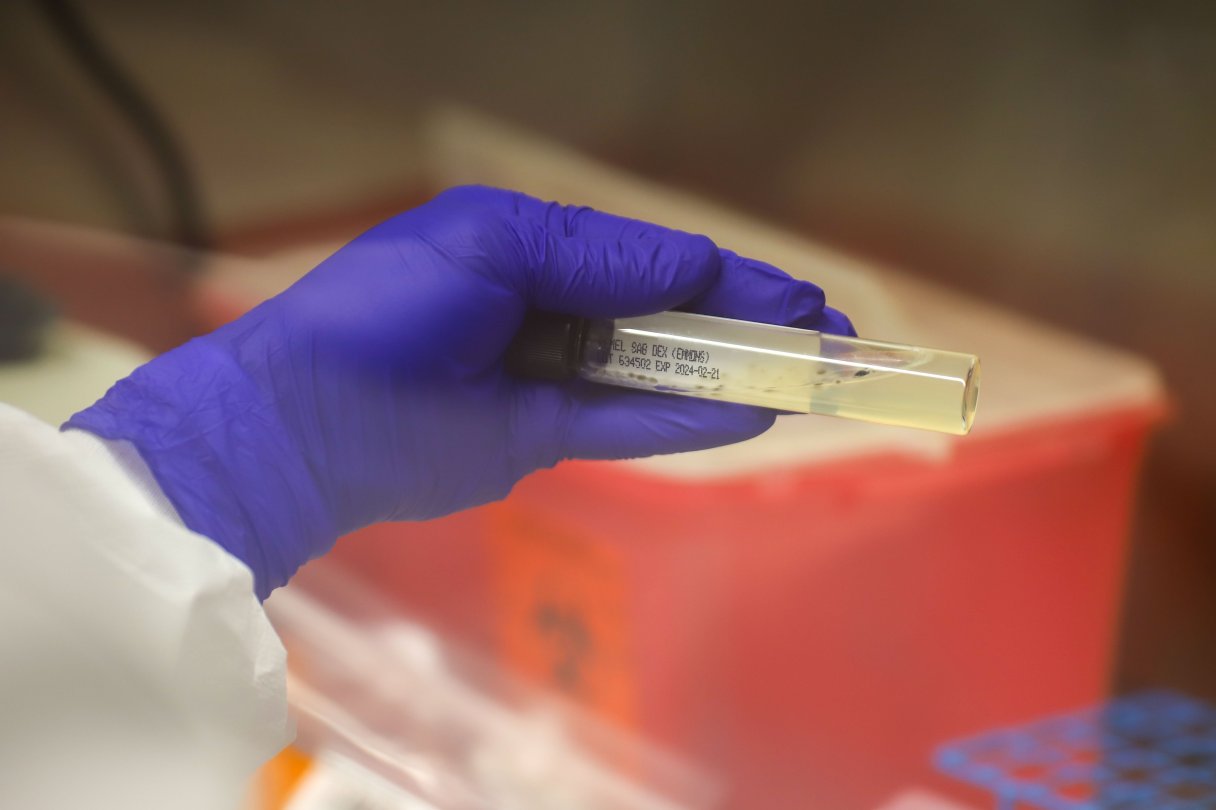
As much of the globe fixated on the coronavirus pandemic, a lesser-known threat continued to grow: Invasive fungal infections, which kill an estimated 1.7 million people worldwide each year, are becoming increasingly common — including in the Chattanooga region.
Earth is filled with millions of fungi that readily inhabit the soil, air, water, plants and animals. While most are either harmless or even beneficial to people, a couple hundred are capable of causing serious disease — although they rarely cause problems in healthy individuals.
But just as science and medicine are constantly evolving to try and tackle society’s most pressing public health crises, so are many of the microscopic foes that threaten human health.
Some fungi are turning into “superbugs,” a term more often associated with drug-resistant bacteria like the staph infection called MRSA, that don’t respond to most medications commonly used to treat them.