
NEW YORK (AP) — The Federal Reserve’s decision Wednesday to raise its benchmark rate for the 11th time, by a quarter-point, could once again send ripple effects across the economy.
Mortgage rates, which have surged since the Fed began lifting rates in March 2022, may now rise further. So could rates on credit cards and some business loans.
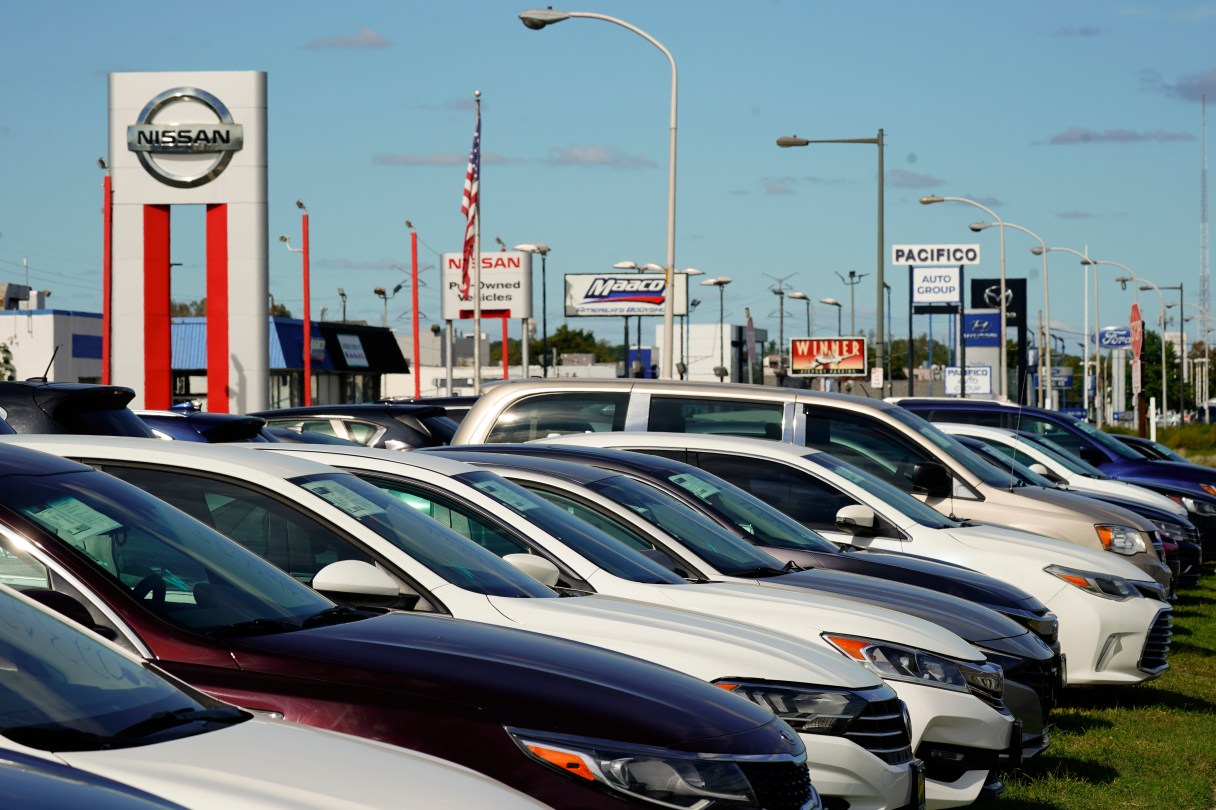
Perhaps no one has felt the pain more than car buyers. It’s not just that sticker prices are way up. Or that lenders have tightened credit standards. On top of all that, steadily higher auto loan rates have elbowed many would-be buyers out of the market.
Consider: A study by the New York Federal Reserve has found that 14% of applicants for auto loans were rejected over the past year — the highest such proportion since the New York Fed began tracking the figure in 2013 — up from 9% in February.
Auto-loan applicants, of course, aren’t the only borrowers being turned down in larger numbers these days. In that same June 2022-June 2023 period, applicant rejections for credit cards, mortgages, mortgage refinancings and higher credit card limits all rose, too, according to the New York Fed. Overall, the rejection rate for credit applicants reached 21.8 percent, the highest level since June 2018.