
Tuesday, November 17, 2026Nov 17

DNA sucked into air filters can reveal what plants and animals are nearby

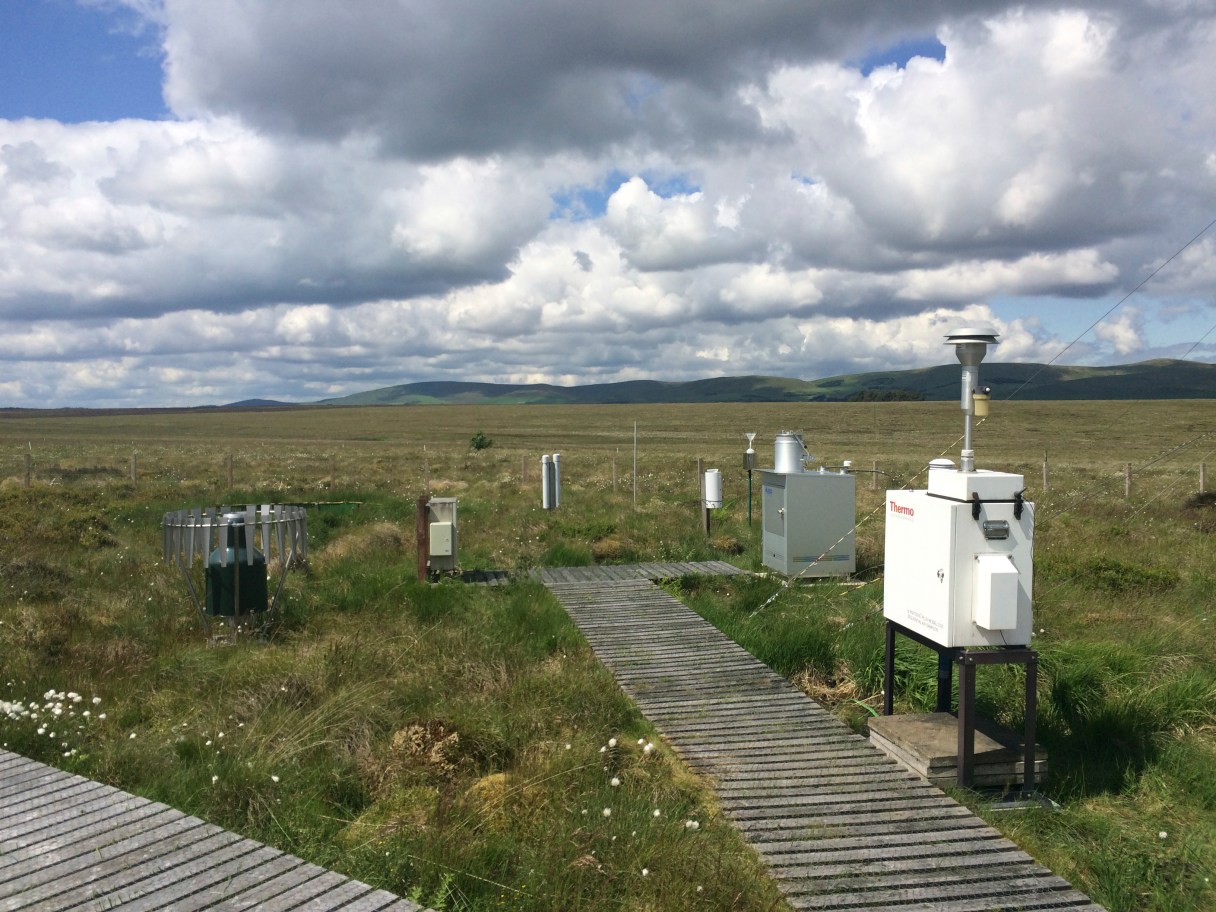
This photo provided by the National Physical Laboratory in June 2023 shows air sampling filters stationed at the Auchencorth Moss research facility in Scotland. In a study published Monday, May 5, 2023, in the journal Current Biology, researchers found that air quality monitoring stations — which pull in air to test for pollution — also pick up lots of DNA that can identify local wildlife. The method could help solve the tricky challenge of keeping tabs on biodiversity. (National Physical Laboratory via AP)


NEW YORK (AP) — DNA is all around us — even in the air we breathe. Now scientists have found that air quality monitoring stations — which pull in air to test for pollution — also pick up lots of DNA that can reveal what plants and animals have been in the area.

The method could help solve the tricky challenge of keeping tabs on biodiversity, according to a study published Monday in the journal Current Biology.

The findings suggest that biodiversity data has been collected “on massive scales literally for decades — and nobody’s noticed,” said study author Elizabeth Clare, a biologist at Canada’s York University.

As animals and plants go through their life cycles, they leave little bits of themselves in the environment — scales, fur, feathers, pollen — which carry their genetic signature.