
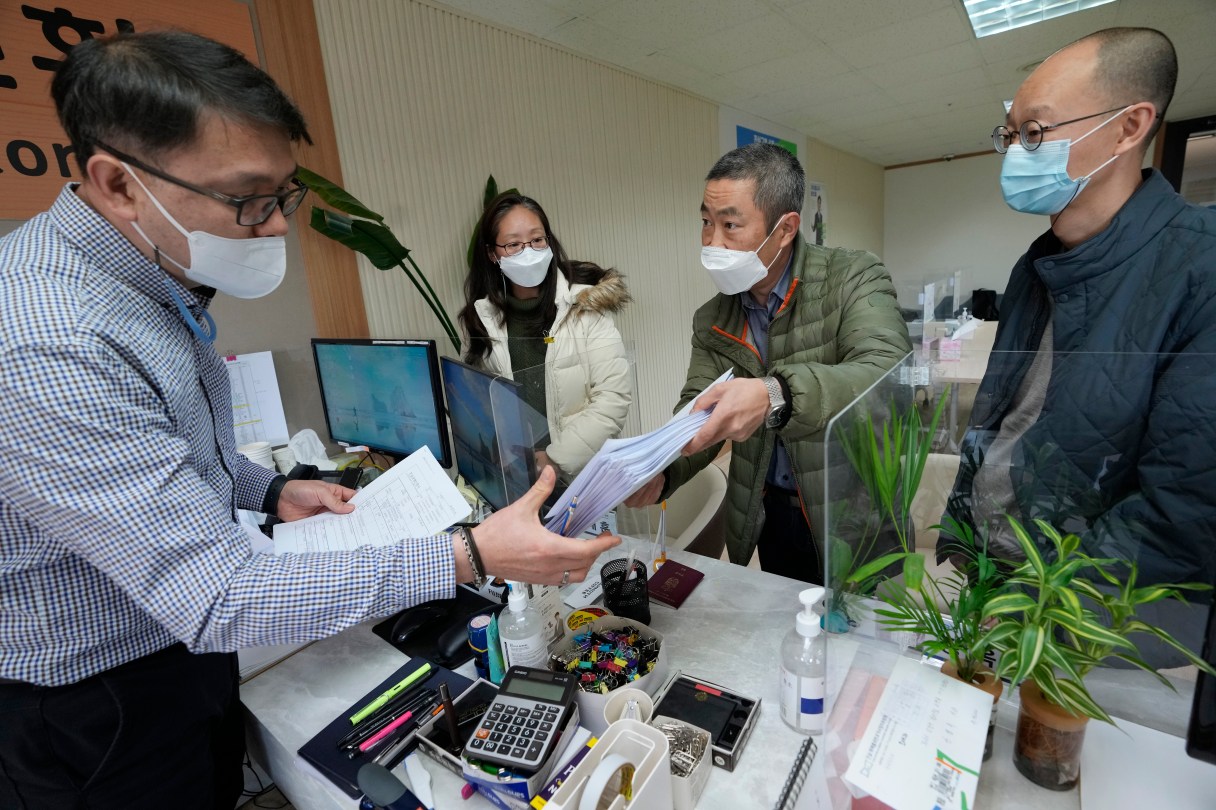
SEOUL, South Korea (AP) — South Korea’s Truth and Reconciliation Commission said Thursday it will investigate 237 more cases of South Korean adoptees who suspect their family origins were manipulated to facilitate their adoptions in Europe and the United States.
The new cases in the commission’s expanded inquiry into South Korea’s foreign adoption boom involve adoptees in 11 nations including the United States, Denmark, Norway, and Sweden who were adopted from 1960 to 1990. More than 370 adoptees from Europe, North America and Australia filed applications last year demanding their cases be investigated.
When the commission said it would investigate the first 34 cases in December, it said the records of many adoptees sent to the West had clearly been manipulated and falsely described them as orphans or faked their identities by borrowing the details of a third person.
The commission said most of the applicants claim their adoptions were based on falsified records that laundered their status or origin to ensure their adoptability and expedite custody transfers across borders. Some applicants asked the commission to look into abuse they say they experienced at South Korean orphanages or under the care of their foreign adoptive parents.