
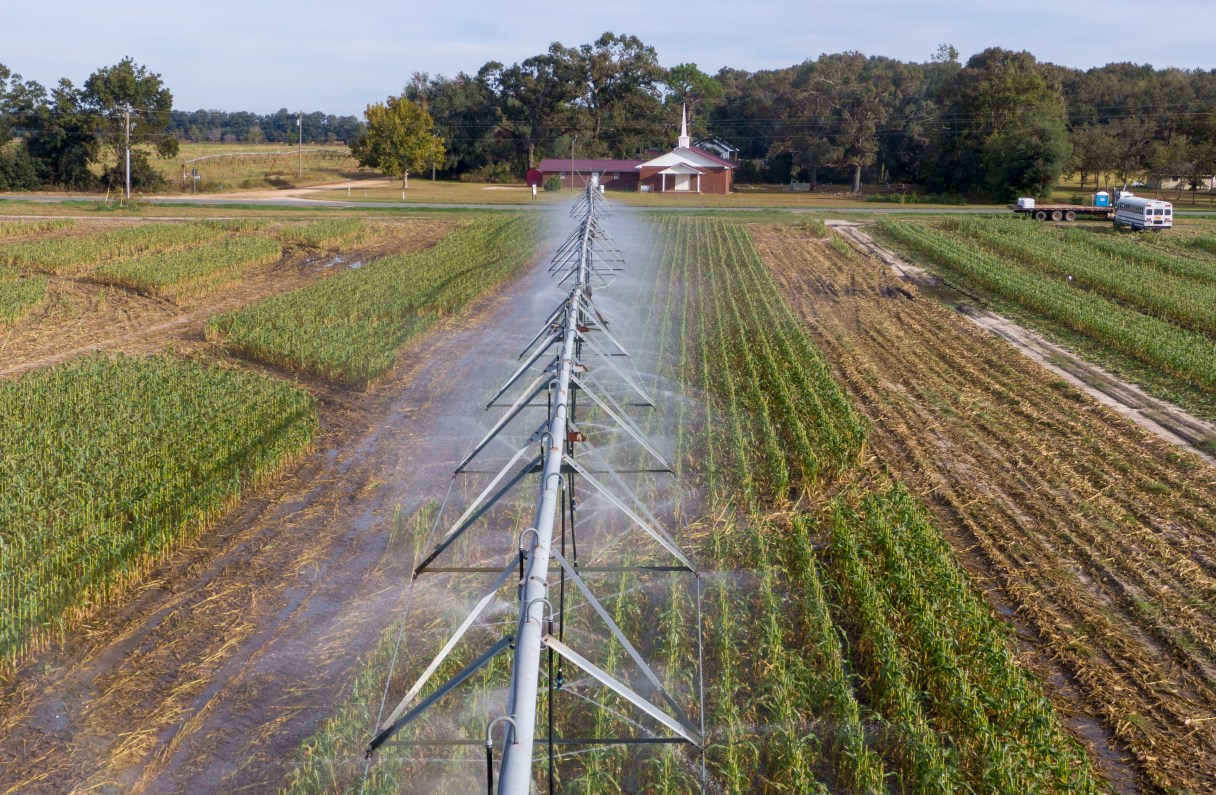
State regulators are considering the first significant easing of a decade-old moratorium on new or expanded withdrawals in portions of Southwest Georgia’s Flint River Basin.
The state Environmental Protection Division has proposed letting farmers tap into the Floridan Aquifer for the limited purpose of using irrigation to protect crops like the state’s prized blueberries from bouts of frost.
The narrow exception to the moratorium is being mulled two years after the U.S. Supreme Court sided with Georgia in the long-running battle with Florida over water access and usage.
Metro Atlanta — where the Flint River begins just south of the city — and Southwest Georgia farmers were at the center of Florida’s failed lawsuit, which accused Georgia of allowing agricultural water usage to go largely unchecked to the detriment of Apalachicola Bay’s oyster fisheries.
“With the end of the Supreme Court litigation, we have been looking for ways to responsibly balance additional demands for water use with the need to maintain minimum flows in the streams and rivers in the area,” Environmental Protection Division Director Richard Dunn recently told the Board of Natural Resources.