
Monday, November 16, 2026Nov 16

As Supreme Court strikes down affirmative action, colleges see few other ways to diversity goals

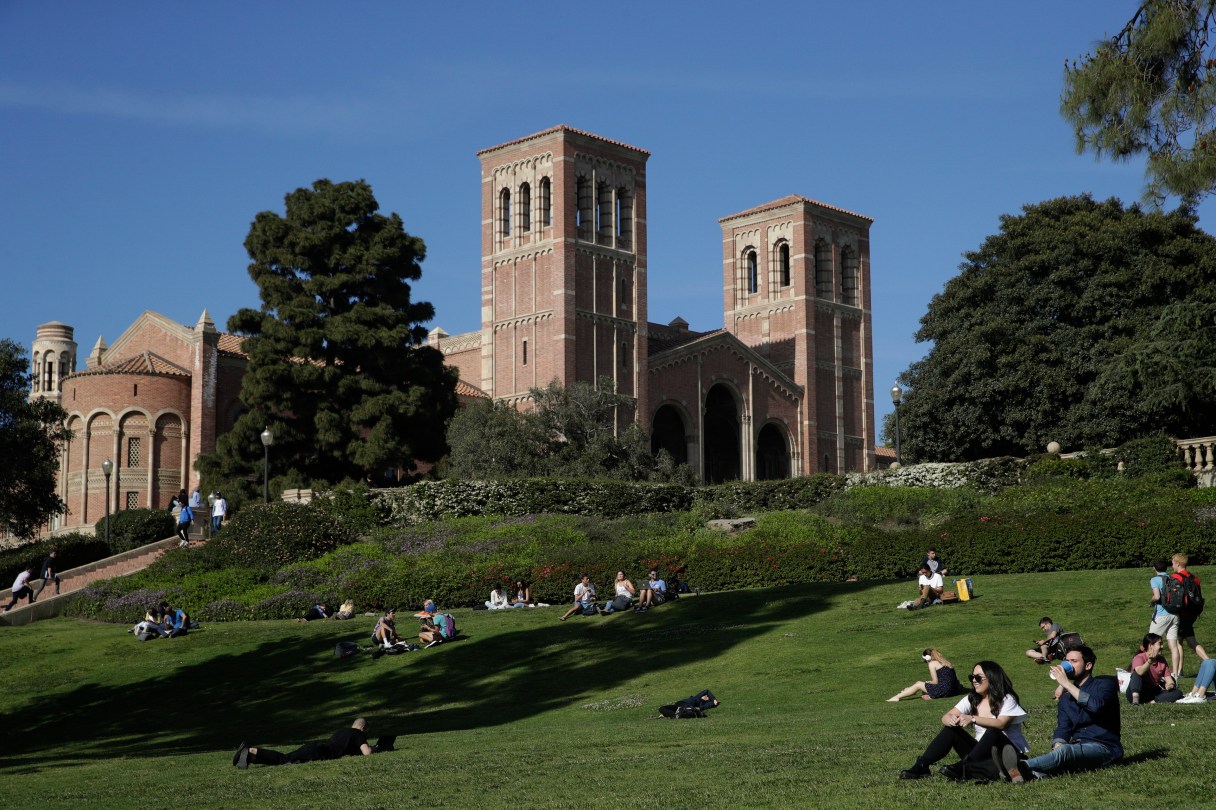
FILE - Students sit on the lawn near Royce Hall at UCLA in the Westwood section of Los Angeles on April 25, 2019. After statewide bans on affirmative action in states from California to Florida, colleges have tried a range of strategies to achieve a diverse student body – giving greater preference to low-income families and admitting top students from communities across their states. But after years of experimentation, some states requiring race-neutral policies have seen drops in Black and Hispanic enrollments. (AP Photo/Jae C. Hong, File)


WASHINGTON (AP) — As an alternative to affirmative action, colleges from California to Florida already have tried a range of strategies to achieve the diversity they say is essential to their campuses. Many have given greater preference to low-income families. Others started admitting top students from every community in their state.

But years of experimentation — often prompted by state-level bans on considering race in admissions — left no clear solution. In states requiring race-neutral policies, many colleges saw enrollment drops among Black and Hispanic students, especially at selective colleges that historically have been mostly white.

Now that the Supreme Court has struck down the consideration of race in college admissions, schools nationwide will face the same test. Some have warned the development could erase decades of progress on campus diversity.

At Amherst College, officials had estimated going entirely race-neutral would reduce Black, Hispanic and Indigenous populations by half.