
Modern humans generally think of panic as unhelpful, triggering stampedes at concerts, collapses at cookouts and endless hours of therapy. But our species evolved panic as a kind of superpower to avoid being eaten. In certain circumstances, and in measured doses, a little existential dread can still be helpful.
Take our rapidly changing climate. The planet could easily set a record-high average temperature in 2023, especially with an El Niño weather pattern kicking in later this year. We have already suffered through the hottest early June on record, with global land temperatures briefly touching 1.5C above the pre-industrial average. Ocean temperatures this spring have been the hottest ever at this time of year, in records going back 174 years.
Many people, including myself, have warned against panicking about such stunning new highs, given the temporary nature of El Niño’s boost. Even if we temporarily hit 1.5C of warming this year, it will still be theoretically possible to avoid long-term warming beyond that level and all the catastrophic consequences that would come with it.
But first we must kick our fossil-fuel addiction and stop spewing greenhouse gases into the atmosphere. And judging by how little the world’s policymakers seem to be interested in taking such steps, perhaps just a smidgen of panic might be helpful.
Scientists agree the world must zero out its emissions by 2050 in order to keep warming to 1.5C, a target set at the Paris climate accords in 2015. And so far 95 countries have made net-zero pledges.
That’s the good news. The bad news is that the vast majority of those pledges aren’t credible. Current policies and practices have the world on pace to hit nearly 3C of warming by the end of the century. Even the most dependable net-zero pledges would still lead to close to 2.5C of warming, a recent study found.
The outlook is even worse in the short term. The world must slash emissions by 43% by 2030 in order to hold warming to 1.5C, by one estimate. Only three members of the G20 — the U.S., the UK and Australia — have even pledged to achieve such a thing, according to BloombergNEF’s Zero-Carbon Policy Scoreboard. And none have actually implemented policies to make it happen.
One big problem is that significant numbers of net-zero countries have zero plans to stop burning oil, gas and coal, according to a new study from the Stockholm Environment Institute. Forty-five of the 95 pledging countries, in fact, talk about continuing or expanding fossil-fuel production right there in their net-zero pledges, according to the study.
Only five of the 95 countries, in contrast, discuss transitioning out of fossil-fuel production as part of their net-zero pledges.
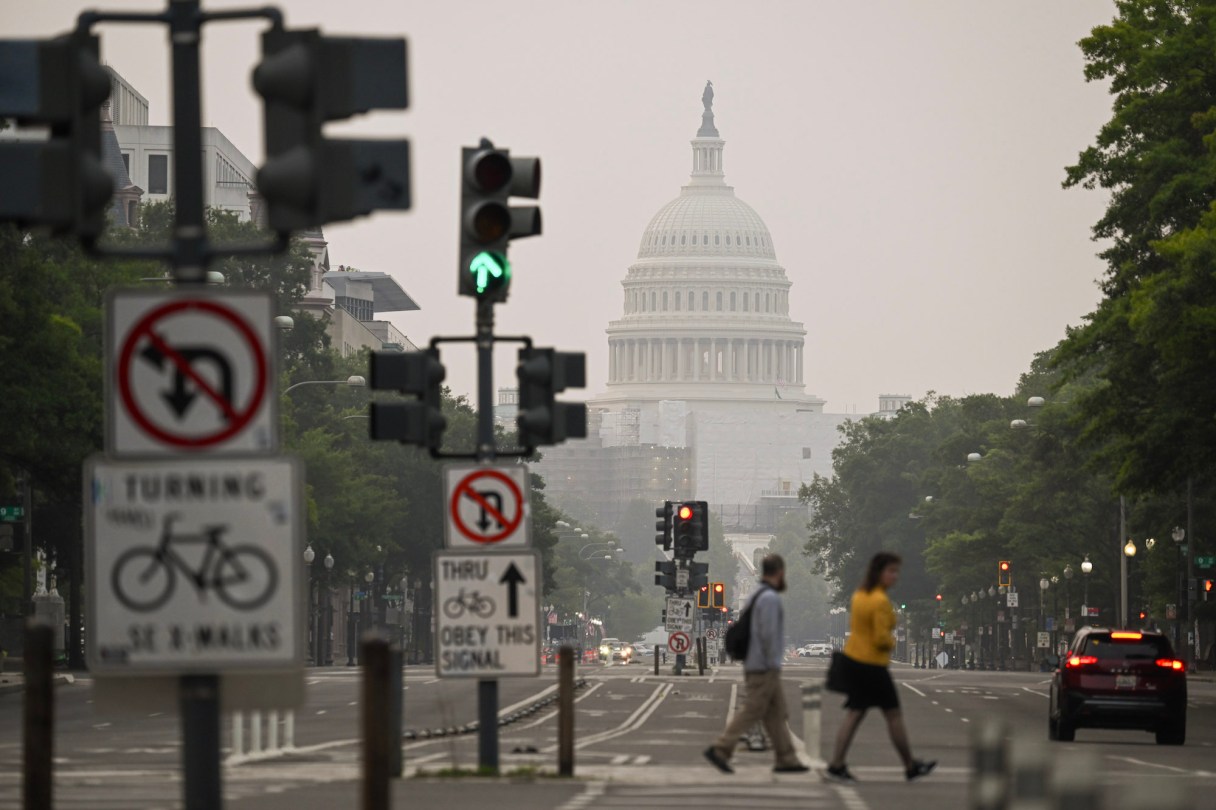
Even having the repercussions of climate change get literally right up in our faces doesn’t seem to inspire much action. After a week in which toxic smoke from Canadian wildfires descended on Washington, D.C., lawmakers are pushing a few bills to address forest management, “wildfire evacuation and resilience planning” and “to help establish public clean air centers and distribute air filtration units to certain households,” Axios reported this week. All are worthy efforts, but none get anywhere near the root of the issue, which is that continuing to heat up the planet will only make wildfires more frequent and destructive.
To imagine the effects of the 2C or 3C of warming that will follow if we don’t respond much more aggressively, consider how chaotic the climate has already become after just 1.2C of warming over pre-industrial levels. Deadly heat waves, droughts and wildfires are more common. Storms and floods are more intense. Millions of people have died, been displaced or suffer long-term health effects from such disasters. Species are going extinct en masse. This is just a taste of what may come.
Full-on panic isn’t an appropriate response, particularly if it leads to paralysis. But neither is the apathy currently on display. Whatever the motivation, if we’re stuck in place while the planet changes rapidly, then we are quickly backsliding.
Bloomberg