
Saturday, November 14, 2026Nov 14

La Nina is gone. These were the deadly storms during its run

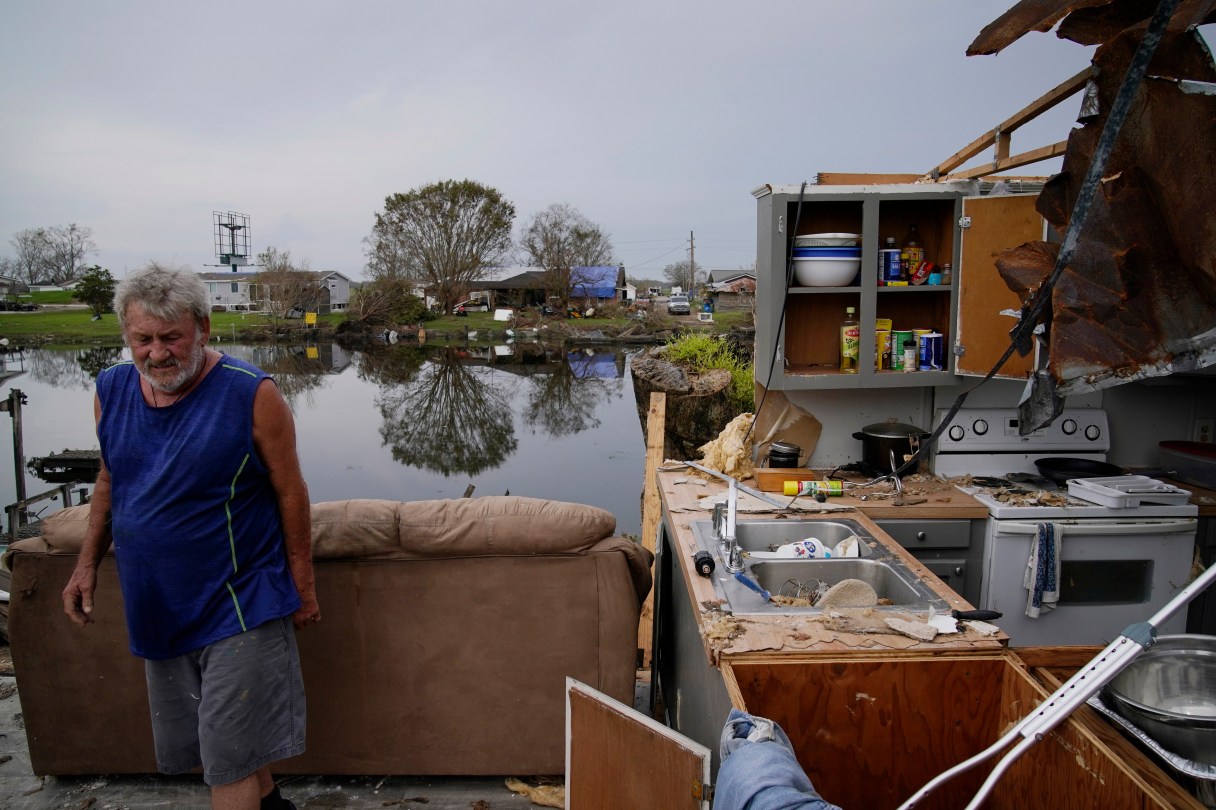
FILE - Philip Adams walks through what remains of his living room and kitchen at his hurricane destroyed home in the aftermath of Hurricane Ida, on Sept. 6, 2021, in Lockport, La. Experts caution that attributing any single event to La Nina or its better-known cousin, El Nino, is difficult as they pronounced Thursday, March 9, 2023, that the La Nina weather phenomenon has come to an end. But they can say generally that tornadoes in the Southeast and hurricanes are more frequent during La Nina. (AP Photo/John Locher, File)

La Nina seemed to treat Louisiana and the rest of the Southeast United States like a punching bag. Its three-year barrage of body blows has come to an end, but left behind a lot of scars from hurricanes and tornadoes among other weather disasters.

Experts caution that attributing any single event to La Nina or its better-known cousin, El Nino, is difficult as they pronounced Thursday that the La Nina weather phenomenon has come to an end. But they can say generally that tornadoes in the Southeast and hurricanes are more frequent during La Nina.

Here are some examples of the 44 different billion-dollar extremes of nasty weather during La Nina’s reign:

TORNADO OUTBREAKS

A historic December 2021 tornado outbreak in Kentucky, Tennessee, Missouri and Arkansas that killed 93 people and caused $4.2 billion in damage. Tornadoes twisted across 800 miles, including one single tornado that plowed across nearly 166 miles of Kentucky and a bit of Tennessee. At the time scientists attributed warm air during a cold season conditions to spring-like weather that was connected to both La Nina and human-caused climate change.