
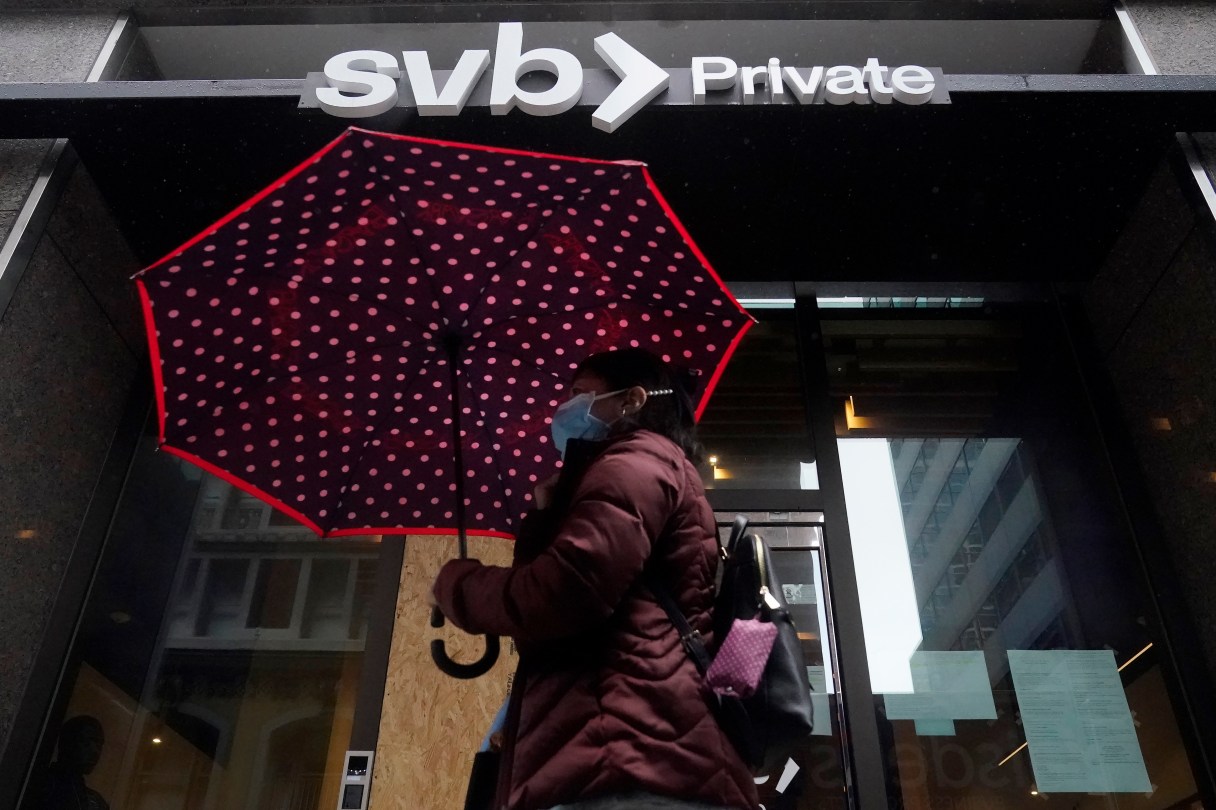
WASHINGTON (AP) — The warning signs were all there. Silicon Valley Bank was expanding at a breakneck pace and pursuing wildly risky investments in the bond market. The vast majority of its deposits were uninsured by the federal government, leaving its customers exposed to a crisis.
None of this was a secret. Yet bank supervisors at the Federal Reserve Bank of San Francisco and the state of California did nothing as the bank rolled over the cliff.
“Their duty is to make sure that the bank is being run in a safe and sound manner and is not a threat,’’ said Dennis Kelleher, president of Better Markets, a nonprofit that advocates tougher financial regulations. “The great mystery here is why the supervision was AWOL at Silicon Valley Bank.’’
The search for causes and culprits — and solutions — is refocusing attention on a 2018 federal law that rolled back tough bank regulations put in place after the 2008-2009 financial crisis and, perhaps even more, on the way regulators wrote the rules that put that law in place.
The Silicon Valley Bank collapse — the second-biggest bank failure in U.S. history — is also raising difficult questions about whether the FDIC needs to offer more protection for deposits.