
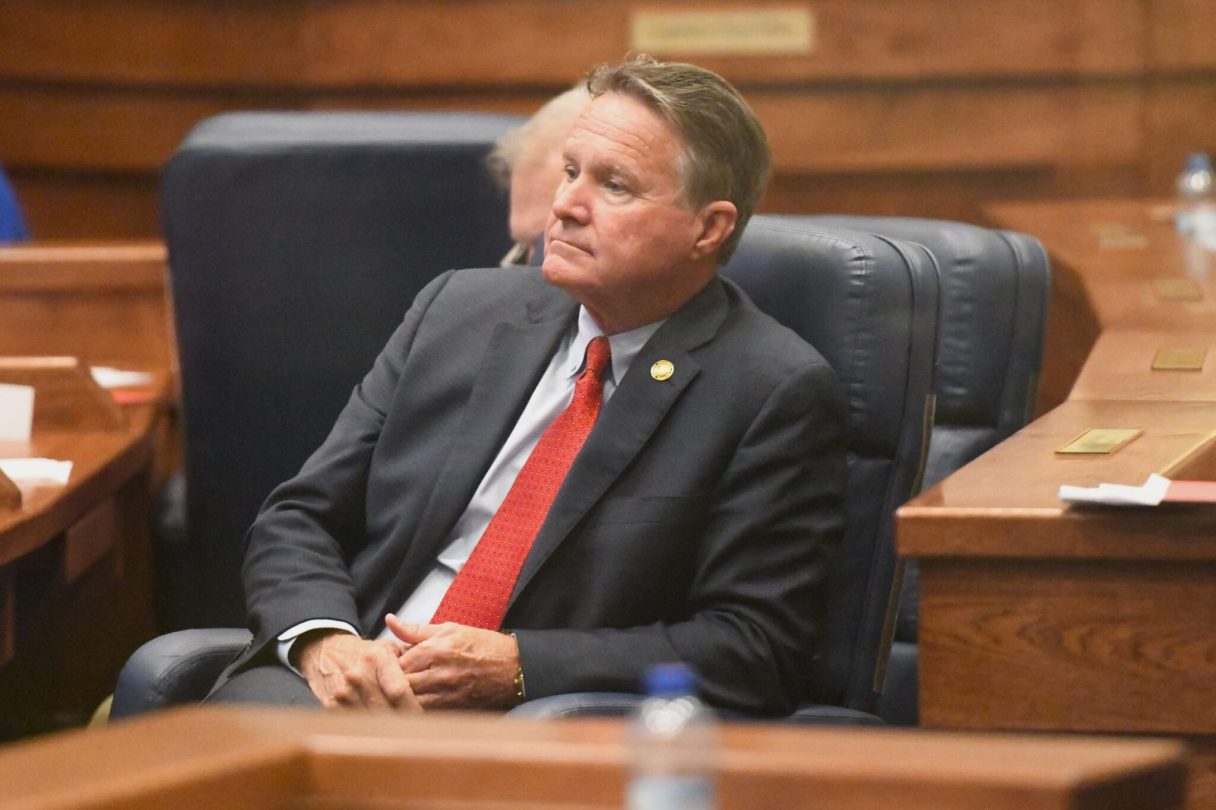
The chairman of the Senate Education Policy committee has filed a bill that would expand the number of households that could claim scholarships under the Alabama Accountability Act and more than double the schools that could fall under it.
SB 263, sponsored by Sen. Donnie Chesteen, R-Geneva, would change the “failing school” label in the 2013 law to “priority school.” It would also change the definition of a qualifying school from any in the bottom 6% of test scores to any school given a “D” or “F” on the state report cards.
The bill passed the Senate Finance and Taxation Education Committee on Wednesday. It awaits a vote in the Senate.
Chesteen said in a Wednesday phone interview the bill grew out of Gov. Kay Ivey’s State of the State speech, which called for changes to the Accountability Act.
(READ MORE: Alabama state superintendent says failing label meant to ‘humiliate’ schools)
The Accountability Act provides scholarships to students in “failing” schools and students in families making up to 185% of the poverty line, or about $45,991 a year for a household of three people. Chesteen’s bill would increase the threshold to 250%, or about $62,150 a year.
According to the U.S. census, the median household income in Alabama is $54,943 a year.
The law defines “failing schools” as those with the lowest 6% of test scores. Under Chesteen’s bill, a “priority school” would be considered one graded “D” or “F” on state report cards on schools. The Alabama State Department of Education’s report cards provide schools with letter grades based on on test scores, demographics, academic achievement, chronic absenteeism and more.
The “priority school” designation was expanded from just “F” with a committee amendment.
Chesteen said in the committee meeting the changes would expand the number of schools where students would be eligible for scholarships from 79 to 212.
“So, that was a big expansion right out of the gate,” Chesteen said.
State Superintendent Eric Mackey said Thursday he’s happy with the potential change from test score to school report card. He said the consolidation of data sources for school ranking will make it easier for people to understand.
“It’s very confusing to parents and the public, so we need to get to one list,” he said.
Under the Accountability Act, students can receive scholarship money from attending a designated school or by being under the 185% of the poverty line. Mackey said few students take advantage of the scholarship system while being in a “failing school.” The majority of students leave their zoned schools because they qualify financially.
“We’ve looked at the analysis, and almost no students … come out of that first tier,” he said. “Almost everybody qualifies in that second tier, where it’s 185% of poverty, so it really, it’s probably not going to affect who qualifies for the scholarships, but it will make it make reporting much more efficient and clear,” Mackey said.
The number of scholarships offered through the Accountability Act is capped at $30 million, money that comes from the state’s Education Trust Fund budget, which pays for K-12 education in the state. According to a fiscal note with the bill, the cap would increase to $40 million starting in the 2025 fiscal year. The cap could increase by $10 million a year, up to $60 million, if more than 90% of the credits are claimed.
(READ MORE: Gov. Lee signs $230 million bill bolstering school security after Nashville shooting)
The Alabama Accountability Act passed in 2013, with drama. Then-Senate President Pro Tem Del Marsh, R-Anniston, substituted a bill on giving public schools flexibility with school regulations with the text of the act in a conference committee. The highly irregular move led to screaming matches on the floor of the Senate.
Chesteen said most of the controversy came from the way it passed and the way it was changed in committee.
“We feel like … with this increase in the cap this year that we can get well over 4,000 students that are from a ‘D’ or an ‘F’ school that meet the requirements of the poverty threshold, an opportunity for scholarships, so I think the controversial part of it has been long past,” he said.
Read more at AlabamaReflector.com.
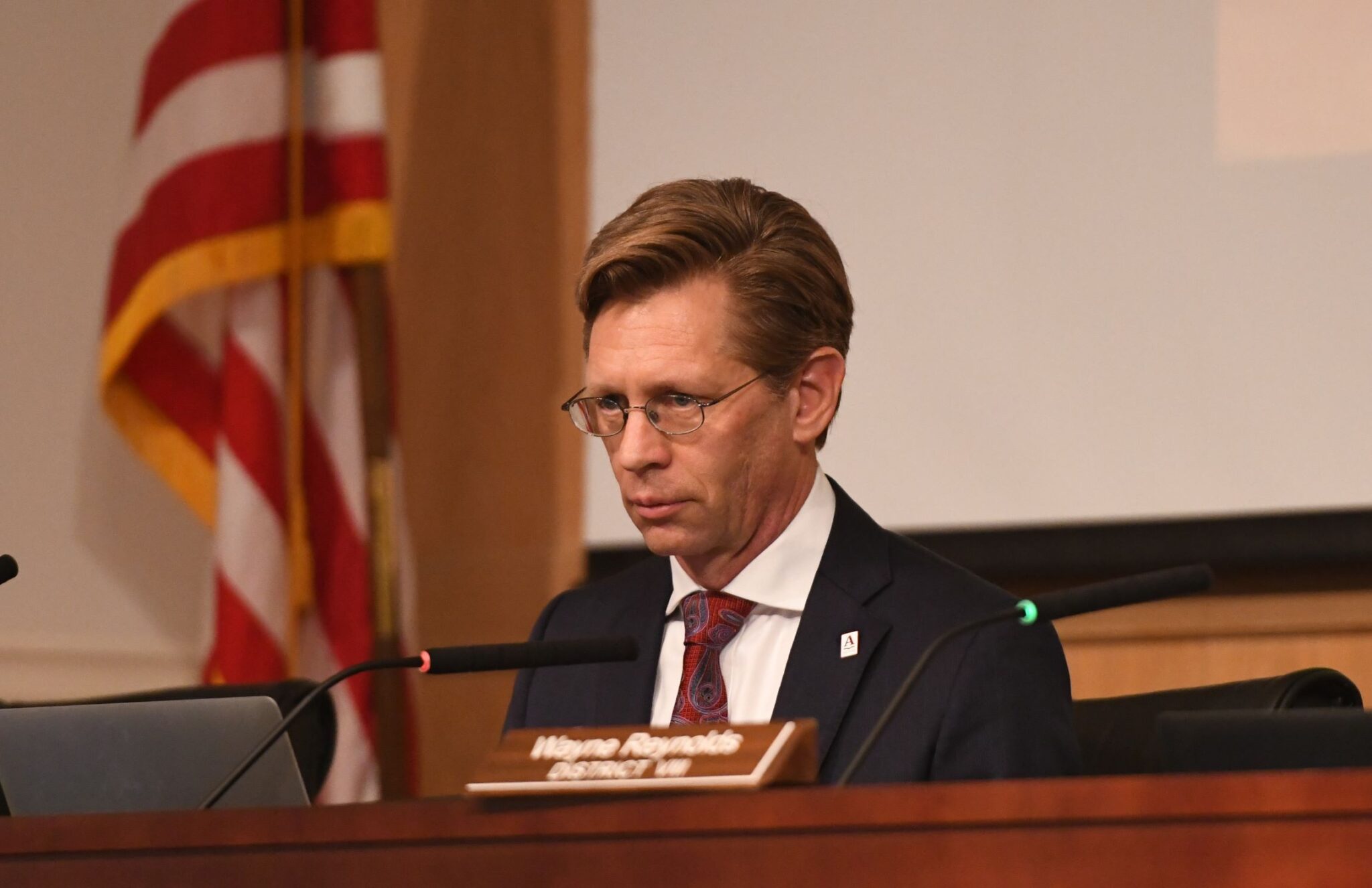 Brian Lyman / Alabama Reflector / Alabama State Schools Superintendent Eric Mackey listens during the Alabama State Board of Educations regular meeting Feb. 9 in Montgomery, Ala.