
Tuesday, November 17, 2026Nov 17

Biden and Xi are set to meet next week at the APEC summit. No detail is too small to sweat

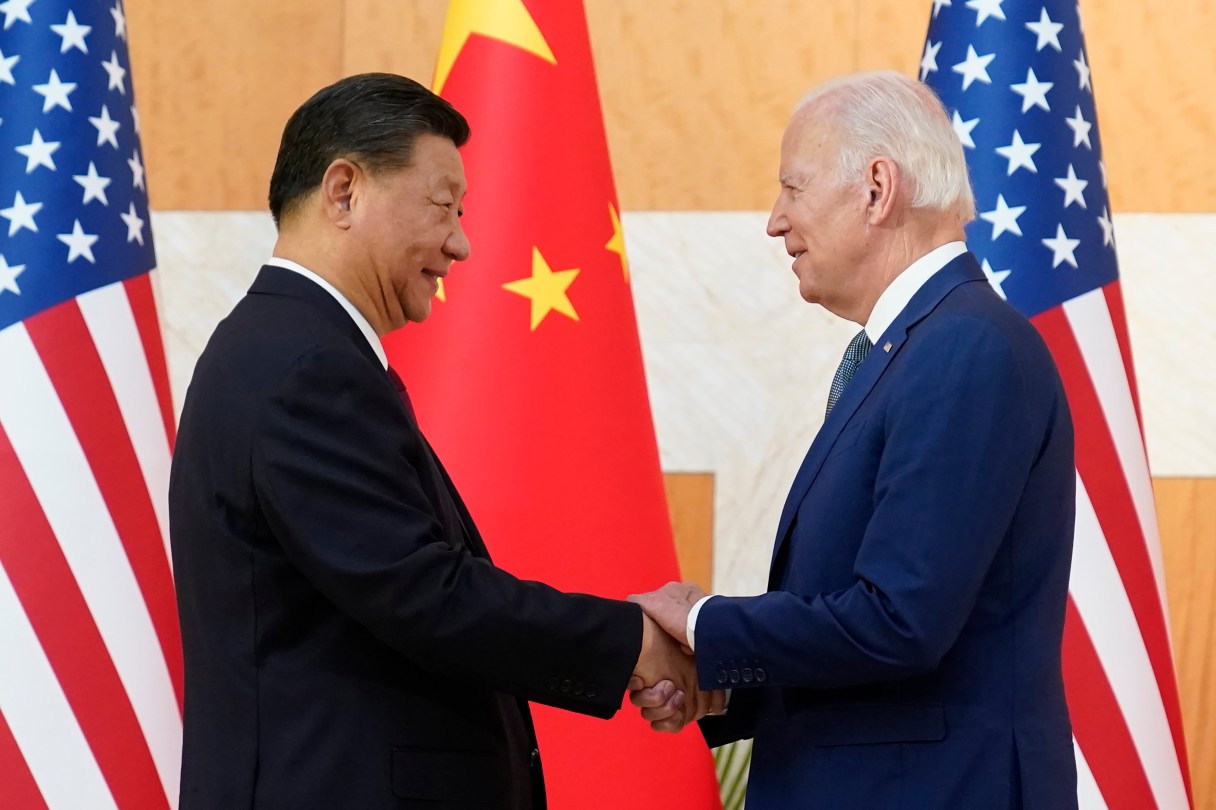
FILE - President Joe Biden, right, and Chinese President Xi Jinping shake hands before their meeting on the sidelines of the G20 summit meeting, Nov. 14, 2022, in Nusa Dua, in Bali, Indonesia. As President Joe Biden and Chinese leader Xi Jinping prepare to meet at the upcoming Asia-Pacific Economic Cooperation summit in San Francisco, basic information has remained guarded. That could ratchet up the pressure on how each side negotiates, down to the smallest detail. (AP Photo/Alex Brandon, File)


WASHINGTON (AP) — When President Joe Biden meets Chinese leader Xi Jinping on Wednesday, there will be no such thing as a small detail.

How they greet? If they eat? Where they sit? Will there be flowers? Bottled water or in a glass? “Pretty intense,” senior administration officials say of navigating delicate protocols.

Any encounter involving the president and a foreign leader means managing tricky logistics, political and cultural, and every occurrence or utterance can potentially jolt the world order. But few nations are more attuned to etiquette than the Chinese, and the often-conflicting interests between Washington and Beijing might mean the seemingly trivial becomes meaningful.

There’s probably “very detailed planning of the actual choreography of who enters a room where, if there will be pictures taken and all of that,” said Bonny Lin, senior fellow for Asian security and director of the China Power Project at the Center for Strategic and International Studies.