
Monday, November 16, 2026Nov 16

Things to know about efforts to block people from crossing state lines for abortion

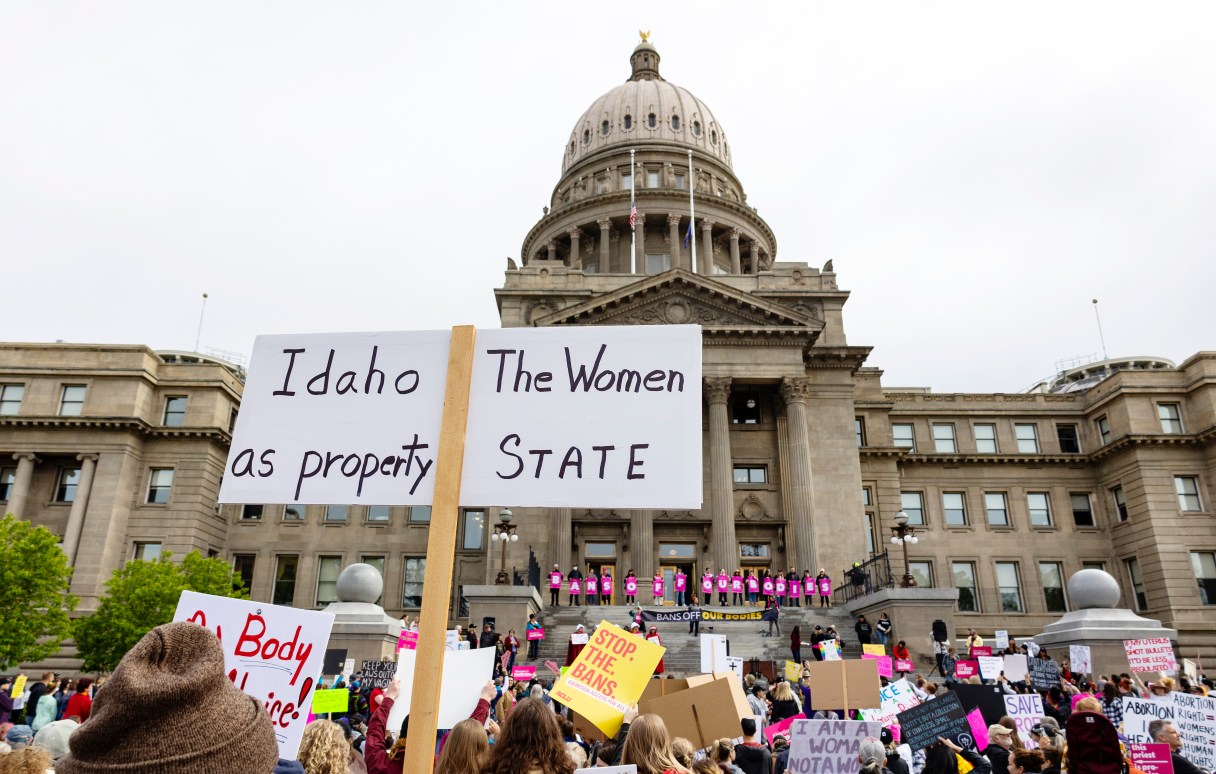
FILE - An attendee at Planned Parenthood's Bans Off Our Bodies rally for abortion rights holds a sign reading outside of the Idaho Statehouse in downtown Boise, Idaho, on May 14, 2022. A federal judge and the U.S. Department of Justice this week of Nov. 10, 2023 said that states are going too far by trying to block people from helping others cross state lines for abortion.  (Sarah A. Miller/Idaho Statesman via AP, File)
FILE - An attendee at Planned Parenthood's Bans Off Our Bodies rally for abortion rights holds a sign reading outside of the Idaho Statehouse in downtown Boise, Idaho, on May 14, 2022. A federal judge and the U.S. Department of Justice this week of Nov. 10, 2023 said that states are going too far by trying to block people from helping others cross state lines for abortion. (Sarah A. Miller/Idaho Statesman via AP, File)

A federal judge and the U.S. Department of Justice this week said that states are going too far by trying to block people from helping others cross state lines for abortion.

A ruling in Idaho and the federal government taking sides in an Alabama lawsuit are far from the final word, but they could offer clues on whether an emerging area of abortion regulation may eventfully hold up in court.

Since the U.S. Supreme Court overturned Roe v. Wade last year, eliminating a nationwide right to abortion, most Republican-controlled states have implemented bans or tighter restrictions on abortion.

Meanwhile, most blue states have taken some action to protect access, as have red states where voters have had a direct say on the issue, including Ohio, where they enshrined abortion rights into the state constitution this week.

That’s set up a big policy contrast between the states — and has made travel for abortion a major issue.