
The business of college athletics is run by stakeholders rather than stockholders, and the bottom line is measured by victories rather than profits.
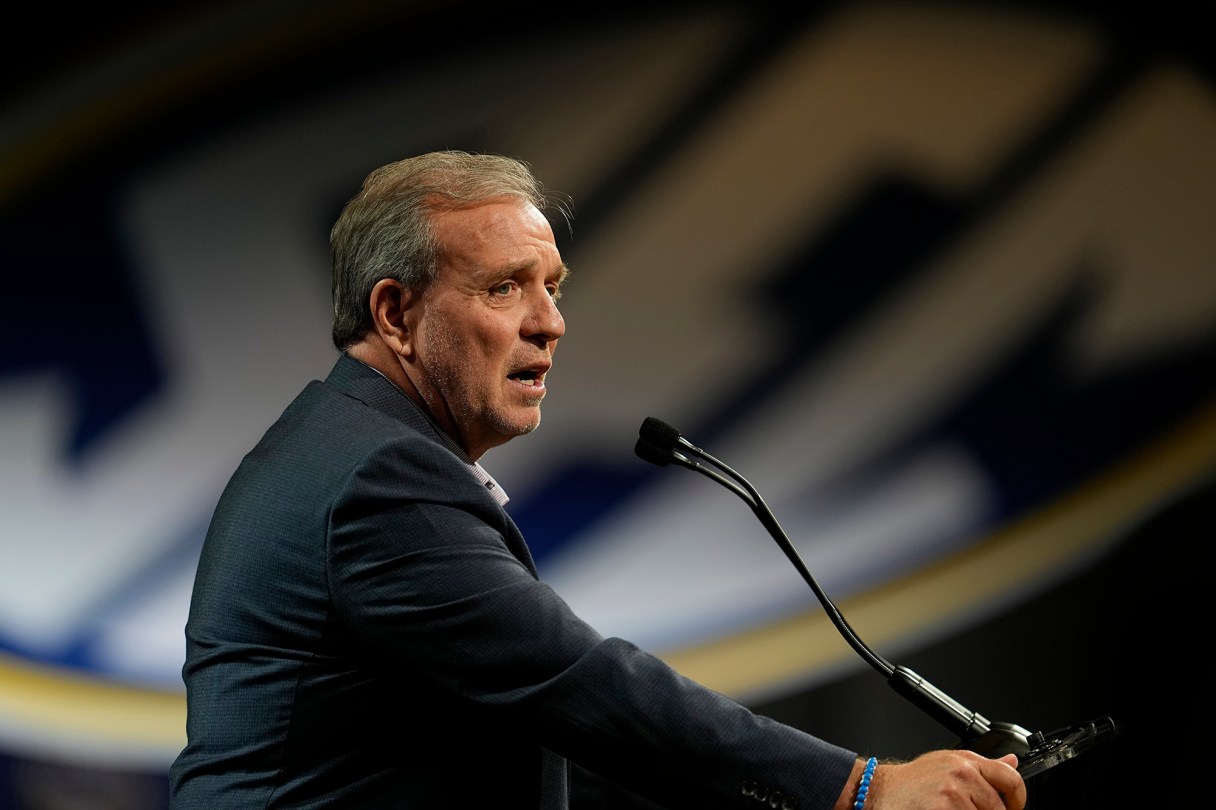
That, sports economist Andrew Zimbalist said, is why Texas A&M is paying Jimbo Fisher more than $75 million to not coach its football team — and why coaches at some of the nation’s top programs have similar, massive severance packages baked into their contracts.
There will be no end to these golden parachutes, Zimbalist and others said, until the business model changes and significantly more revenue is redirected to the athletes.
“If we’re having this conversation in 30 years and athletes are employees, all these benefits and ridiculous severance payments coaches get will start to come down,” said Zimbalist, a Smith College professor emeritus of economics who has written more than a dozen books on college and pro sports. “In the meantime, there’ll be substantial losses for athletic programs.”
Fisher was fired Sunday, just more than two years after he signed a fully guaranteed 10-year, $95 million contract. Texas A&M said it will use donor funds to make an initial payment on the $75 million-plus owed to Fisher and pay the rest with athletic department revenue on an installment plan.