
Monday, November 16, 2026Nov 16

The world’s first gene therapy for sickle cell disease has been approved in Britain

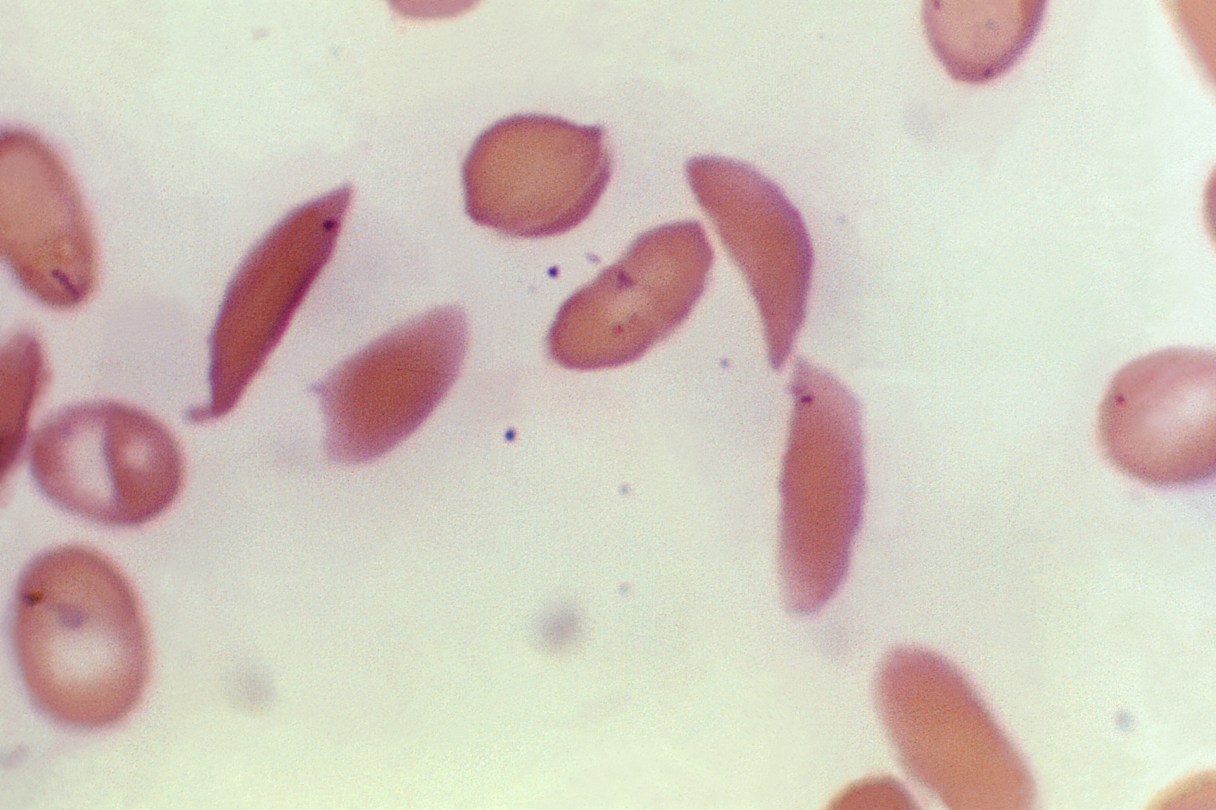
FILE - This microscope photo provided on Oct. 25, 2023, by the Centers for Disease Control and Prevention shows crescent-shaped red blood cells from a sickle cell disease patient in 1972. Britain's medicines regulator has authorized the world's first gene therapy treatment for sickle cell disease, in a move that could offer relief to thousands of people with the crippling disease in the U.K. In a statement on Thursday, Nov. 16, 2023, the Medicines and Healthcare Regulatory Agency said it approved Casgevy, the first medicine licensed using the gene editing tool CRISPR, which won its makers a Nobel prize in 2020.   (Dr. F. Gilbert/CDC via AP, File )
FILE - This microscope photo provided on Oct. 25, 2023, by the Centers for Disease Control and Prevention shows crescent-shaped red blood cells from a sickle cell disease patient in 1972. Britain's medicines regulator has authorized the world's first gene therapy treatment for sickle cell disease, in a move that could offer relief to thousands of people with the crippling disease in the U.K. In a statement on Thursday, Nov. 16, 2023, the Medicines and Healthcare Regulatory Agency said it approved Casgevy, the first medicine licensed using the gene editing tool CRISPR, which won its makers a Nobel prize in 2020. (Dr. F. Gilbert/CDC via AP, File )

LONDON (AP) — Britain’s medicines regulator has authorized the world’s first gene therapy treatment for sickle cell disease, in a move that could offer relief to thousands of people with the crippling disease in the U.K.

In a statement Thursday, the Medicines and Healthcare Regulatory Agency said it approved Casgevy, the first medicine licensed using the gene editing tool CRISPR, which won its makers a Nobel prize in 2020.

The agency approved the treatment for patients with sickle cell disease and thalassemia who are 12 years old and over. Casgevy is made by Vertex Pharmaceuticals (Europe) Ltd. and CRISPR Therapeutics. To date, bone marrow transplants, extremely arduous procedures that come with very unpleasant side effects, have been the only long-lasting treatment.

“The future of life-changing cures resides in CRISPR based (gene-editing) technology,” said Dr. Helen O’Neill of University College London.

“The use of the word ‘cure’ in relation to sickle cell disease or thalassemia has, up until now, been incompatible,” she said in a statement, calling the MHRA’s approval of gene therapy “a positive moment in history.”