
More Walker County public schools were found to have waterborne lead at a range of levels after the district participated in voluntary testing this fall, and officials said the remaining four schools will be tested soon.
Results posted on the Clean Water for Georgia Kids website show several taps with lead levels from 15 to 20 parts per billion, but a school system official said many of those with high test results aren’t used for drinking.
Tested this fall were Cherokee Ridge Elementary, Gilbert Elementary, North LaFayette Elementary, Ridgeland High, Rock Spring Elementary and Rossville Elementary. Full results can be found at the program’s website.
There is no safe level for lead in water since children are more vulnerable to health effects from the toxic metal, according to the Centers for Disease Control and Prevention, leading the American Academy of Pediatrics to recommend state and local governments take steps to ensure water fountains in schools do not exceed water lead concentrations of 1 parts per billion.
Many states, including Tennessee and North Carolina, require waterborne lead testing in schools, but Georgia launched a voluntary program, Clean Water for Georgia Kids, in 2021.
There is no enforceable health standard for lead in Georgia, Jennifer Hoponick Redmon, director of the Clean Water for Georgia Kids, said in a phone call, nor is there a federal enforceable standard.
“This is a voluntary program,” Redmon said. “So for Walker County Schools to participate in this program, they must have decided to do this voluntarily and proactively to protect children’s health.”
The detection limit is 0.1 parts per billion, and for any tap 1 part per billion or above, Redmon said the program recommends low-cost or no-cost risk remediation.
“That can look like just not using that tap for drinking or cooking,” she said.
Hand washing would be acceptable at 1 part per billion of lead, she said, because dermal exposure isn’t a problem with lead. At 5 parts per billion, Clean Water for Healthy Kids strongly recommend risk mitigation, and at 15 parts per billion, use of the water should be stopped immediately and a plumber or trained staff should be enlisted to get the lead out.
Redmon said Clean Water for Georgia Kids offers how-to videos and flyers on waterborne lead remediation.
Designating taps with low lead levels for drinking is a no-cost solution to mitigate against high test results, she said, because most facilities have some taps that are free of lead or low levels of lead. Replacing faucet fixtures is another low cost solution, as is installing and maintaining lead certified water filters, she said.
In June, parents and community members expressed their frustration when high levels of lead were found in the water of four Walker County schools.
Though the Clean Water for Georgia Kids recommends school systems share results with parents, the school system didn’t publicize the results until after a writer criticized the lack of transparency.
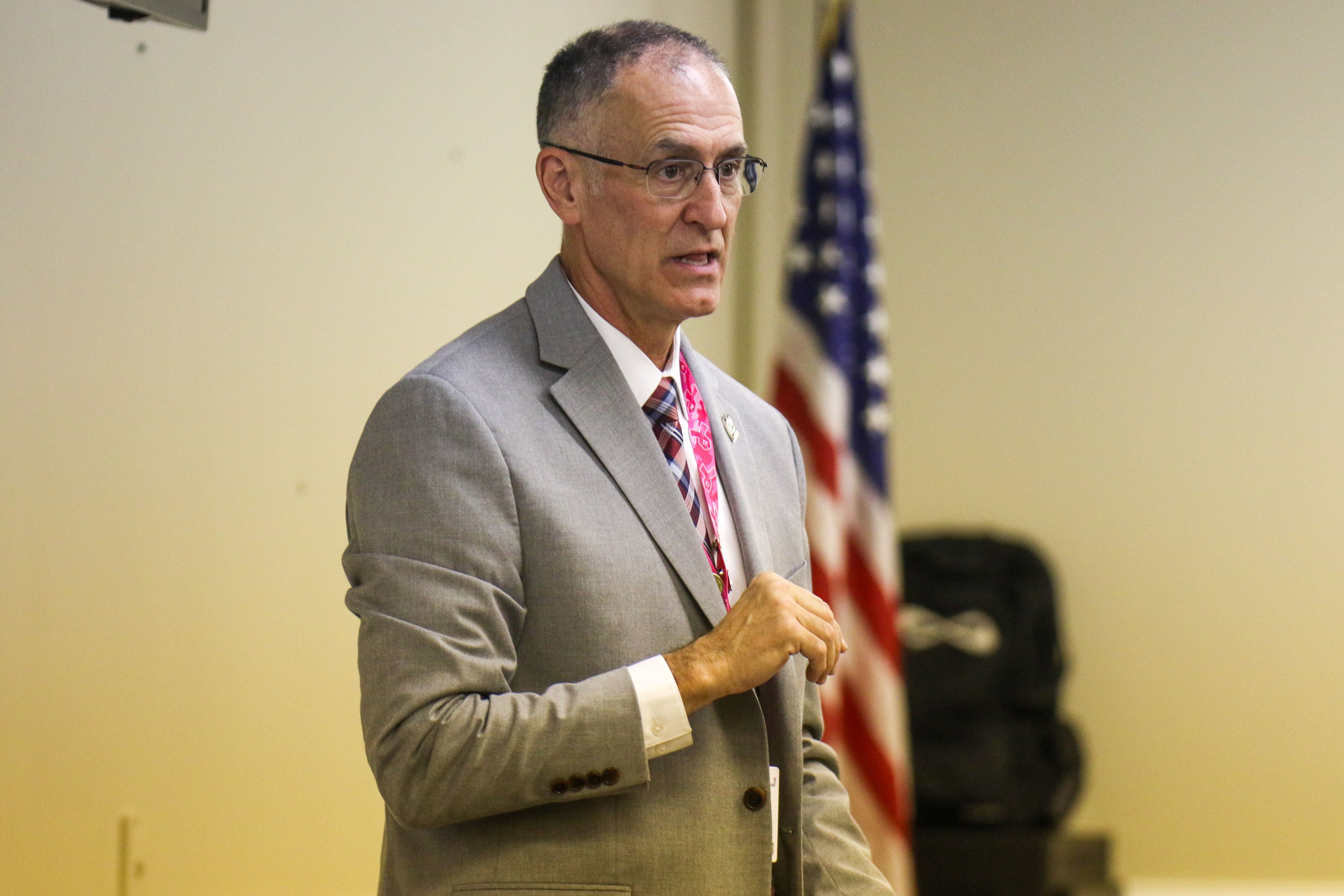
Superintendent Damon Raines said 11 of the 15 district schools have been tested.
Administrators are waiting for results from a few schools, Raines said in a phone call, and then the remaining four will be tested. The remaining schools were all built after 2000, which Raines said makes them less likely to have lead contamination.
After a break — like the Thanksgiving break — Raines said a custodian will flush all the taps used for consumption. That includes the school buildings that haven’t been tested yet, he said.
During the pandemic, the school system moved to using bottle fillers that were already filtered, Raines said. Some older water fountains that weren’t being used have been coming back with high numbers, he said, while others with high numbers have been filtered or replaced.
“The goal for the whole program is zero,” Raines said, but the school system is receiving many results that have barely detectable levels of lead in the water.
Raines said some people don’t understand the program tests every tap in a facility, even those like mop basins and sinks that aren’t used for drinking.
“Anything over that 15 parts per billion — we immediately shut the water off, we put a bag over the fixture, and we mark it as closed,” he said.
The tap is tested two more times, and if it falls under that 15 parts per billion mark, the tap is opened back up.
(READ MORE: Some cities are digging up water mains and leaving lead pipe in the ground)
Elliot Pierce, who has criticized the school district in posts on Substack, said he was surprised at some of the lead levels at newer buildings.
“There’s not a safe threshold, so they’re misappropriating that 15 parts per billion number,” Pierce said by phone.
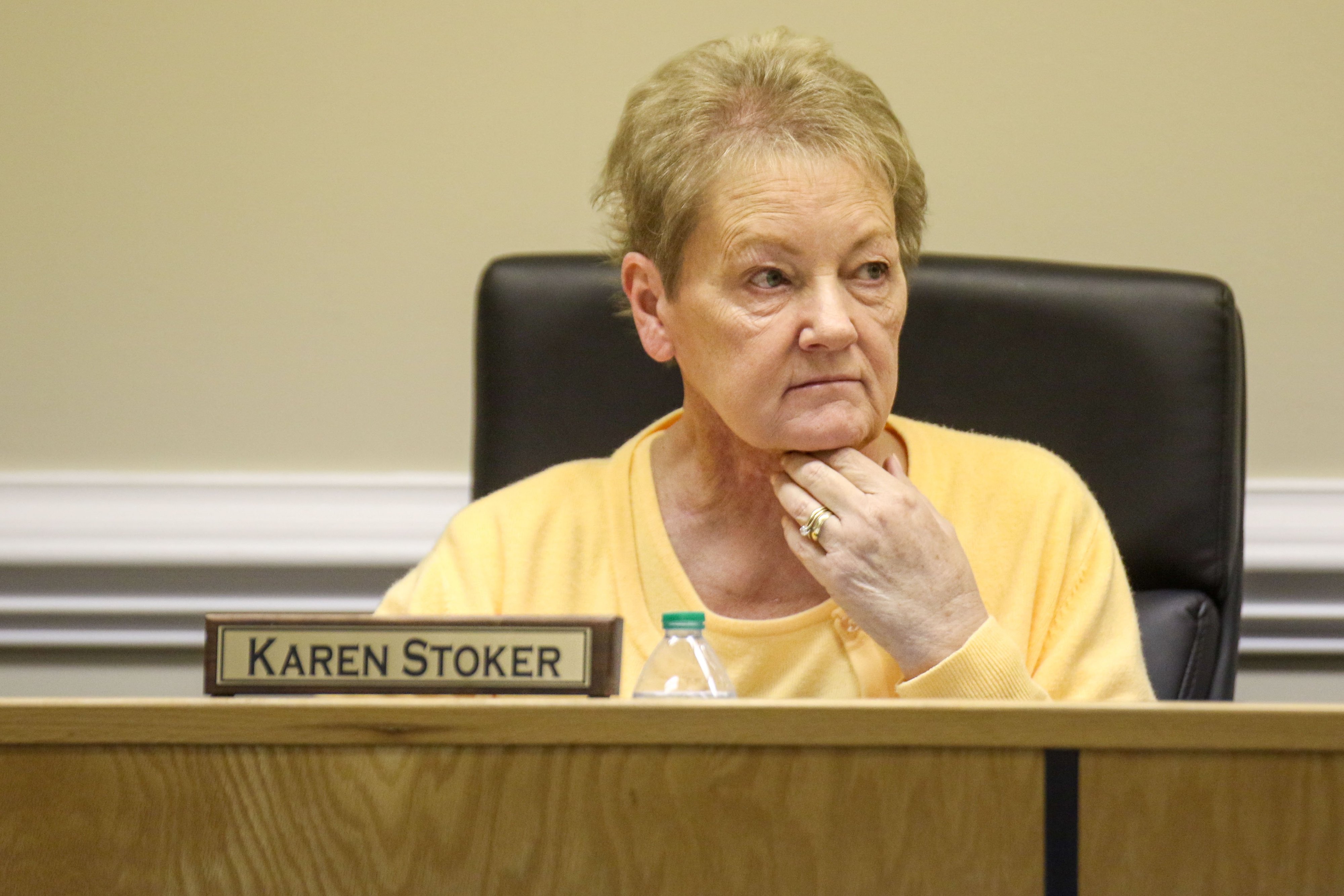
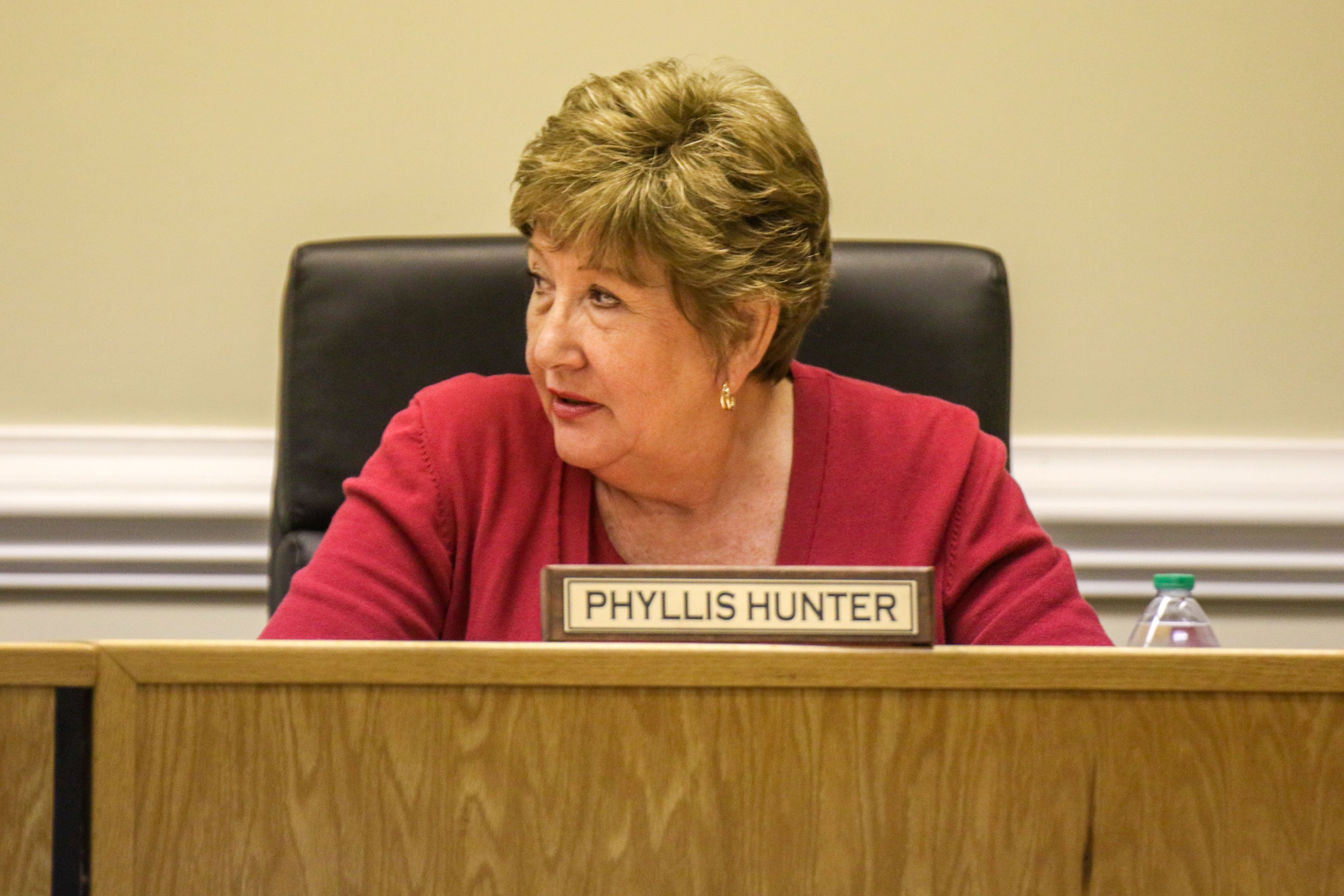
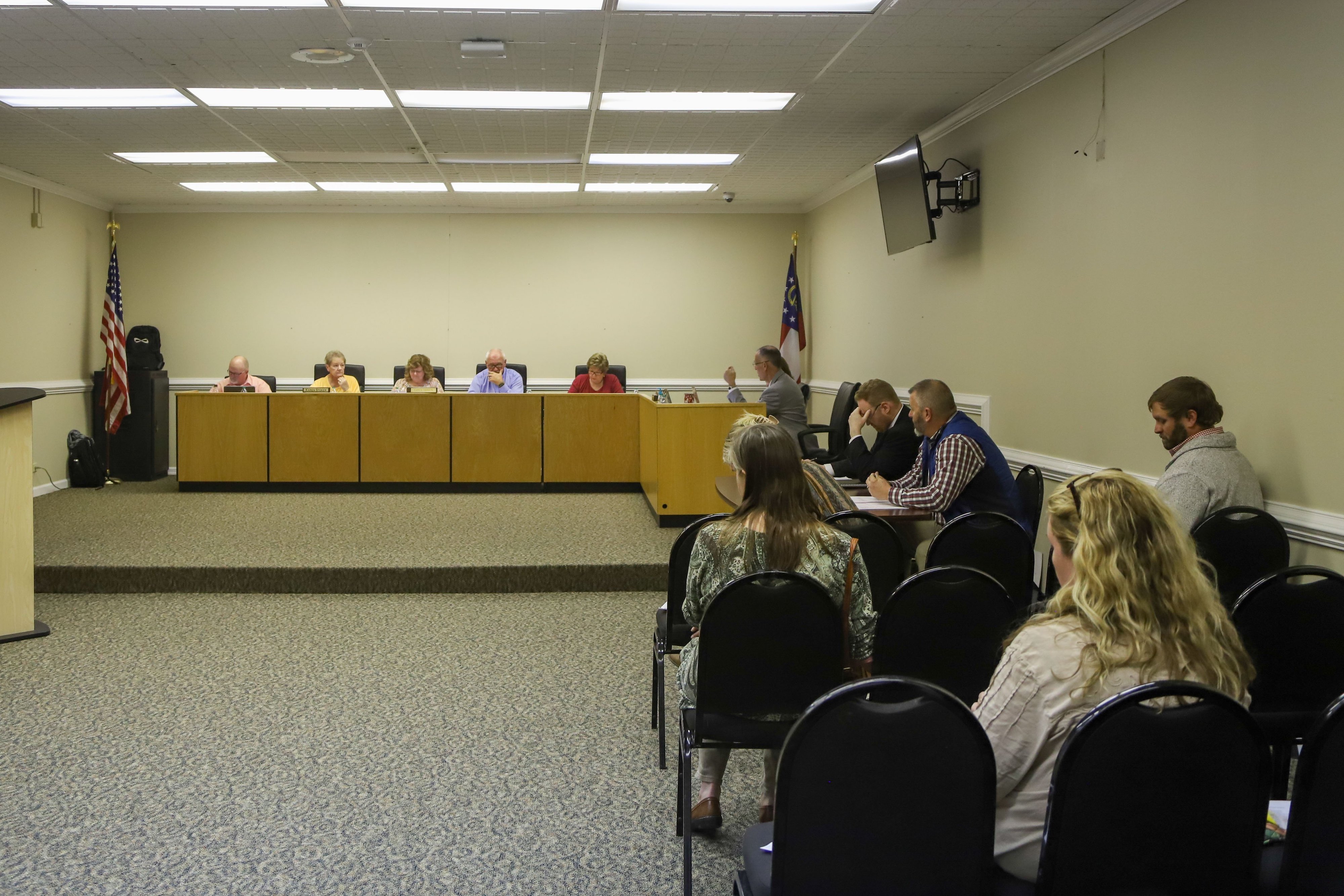
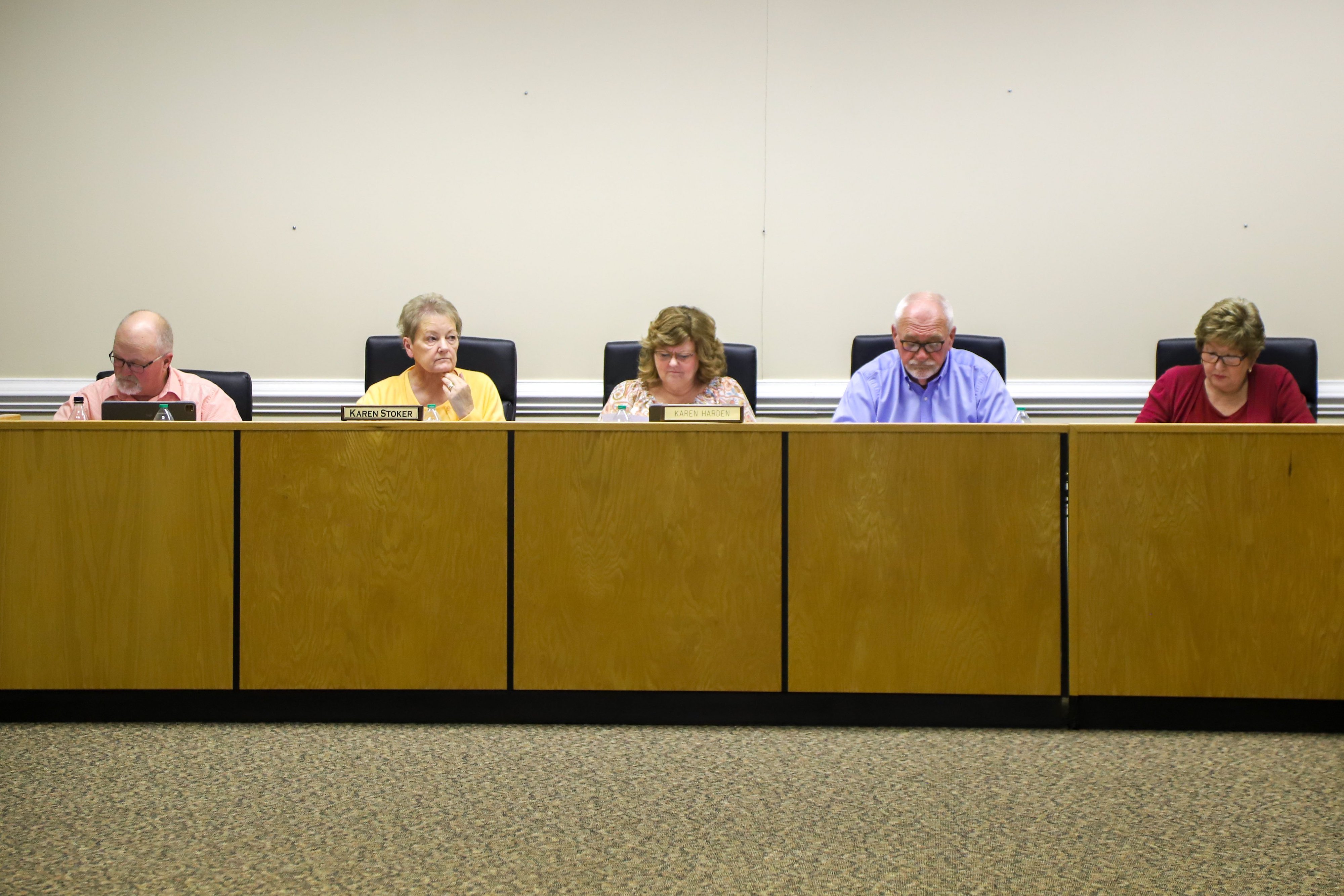
The five members of the Walker County school board, Karen Stoker, Phyllis Hunter, Mike Carruth, Dale Wilson and Karen Harden, could not be reached for comment by email.
Contact Andrew Wilkins at awilkins@timesfreepress.com or 423-757-6659.