
PORTLAND, Maine (AP) — Whales, dolphins and seals living in U.S. waters face major threats from warming ocean temperatures, rising sea levels and decreasing sea ice volumes associated with climate change, according to a first-of-its-kind assessment.
Researchers with the National Oceanic and Atmospheric Administration examined more than 100 stocks of American marine mammal species and found more than 70% of those stocks are vulnerable to threats, such as loss of habitat and food, due to the consequences of warming waters. The impacts also include loss of dissolved oxygen and changes to ocean chemistry.
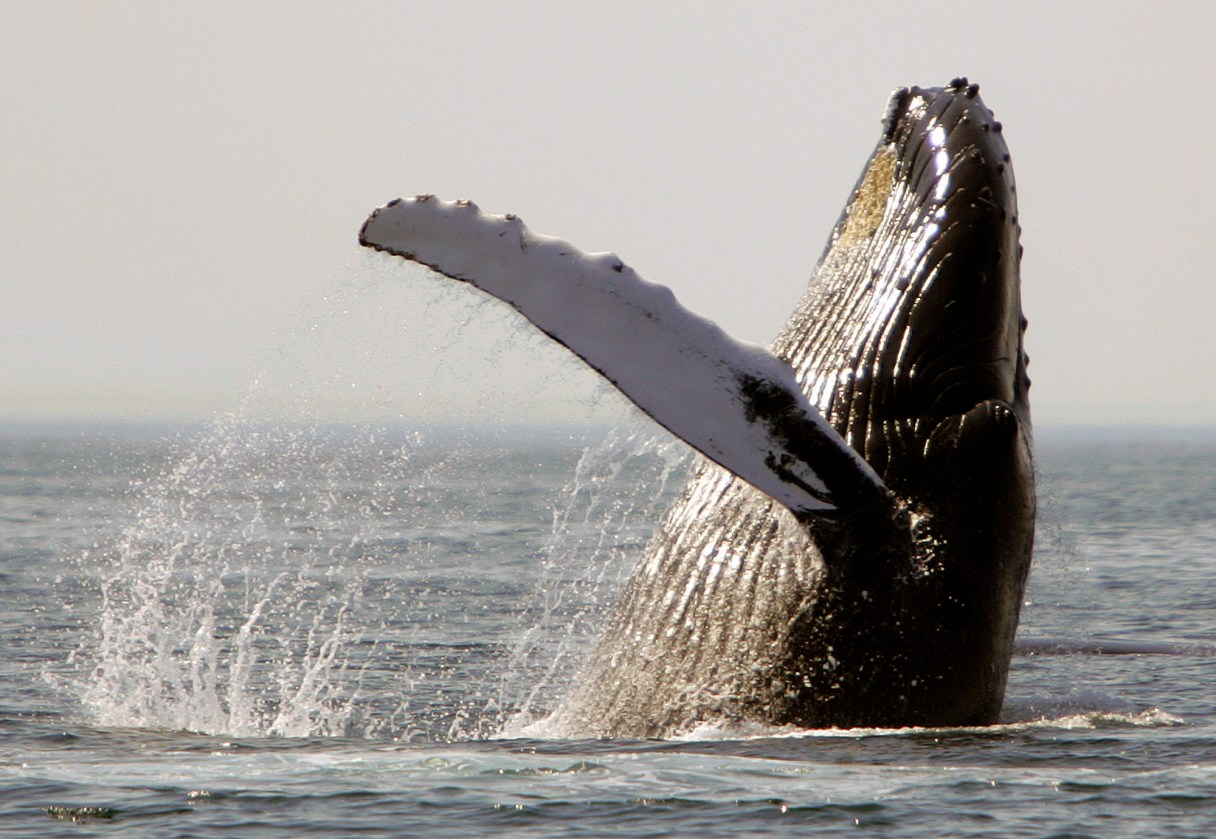
The scientists found large whales such as humpbacks and North Atlantic right whales were among the most vulnerable to climate change, and that other toothed whales and dolphins were also at high risk.
The study, published last month in the journal PLOS ONE, is evidence that the way the U.S. manages whales and dolphins needs to adapt in the era of climate change, advocates for marine mammals said.
The news is bleak, but the assessment also is the first to look solely at marine mammal stocks managed by the U.S. and the results can help inform federal ocean managers about how to safeguard the vulnerable animals, said Matthew Lettrich, a biologist and lead author of the study.