
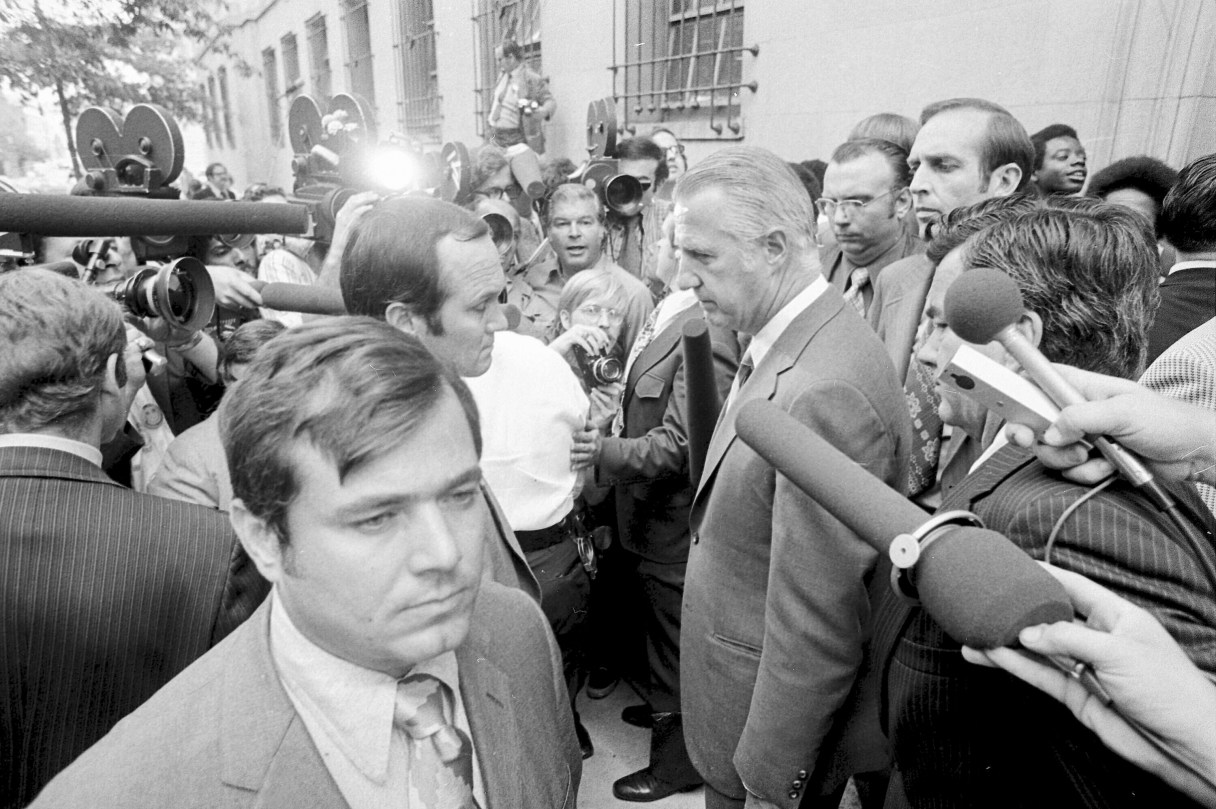

The sudden ouster of United States House Speaker Kevin McCarthy last week brought to mind an equally quick political exit that occurred 50 years ago this week.
On Oct. 10, 1973, Vice President Spiro Agnew resigned amid bribery charges. Two days later, on Oct. 12, President Richard Nixon selected then-House Majority Leader Gerald Ford to be Agnew’s successor. He was confirmed by the U.S. Senate on Dec. 6, 1973.
Demonstrating how quickly things can change in politics, Nixon resigned when the House prepared to bring impeachment charges against him in the Watergate scandal the following August, and Ford became president.
The former Michigan congressman, who had told his wife he would run for one more House term in 1974 and then retire and who declared after Nixon nominated him that he would not seek the Republican presidential nomination in 1976, changed his mind after becoming president.
And after winning the nomination in spite of a spirited challenge from former California Gov. Ronald Reagan, Ford came back from a 33-point deficit in the polls to Democratic nominee Jimmy Carter, the former Georgia governor, and lost by fewer than 2 million votes among more than 80 million votes cast in the 1976 general election.