
Monday, November 16, 2026Nov 16

A workforce crisis is damaging families’ access to therapies for babies with developmental delays

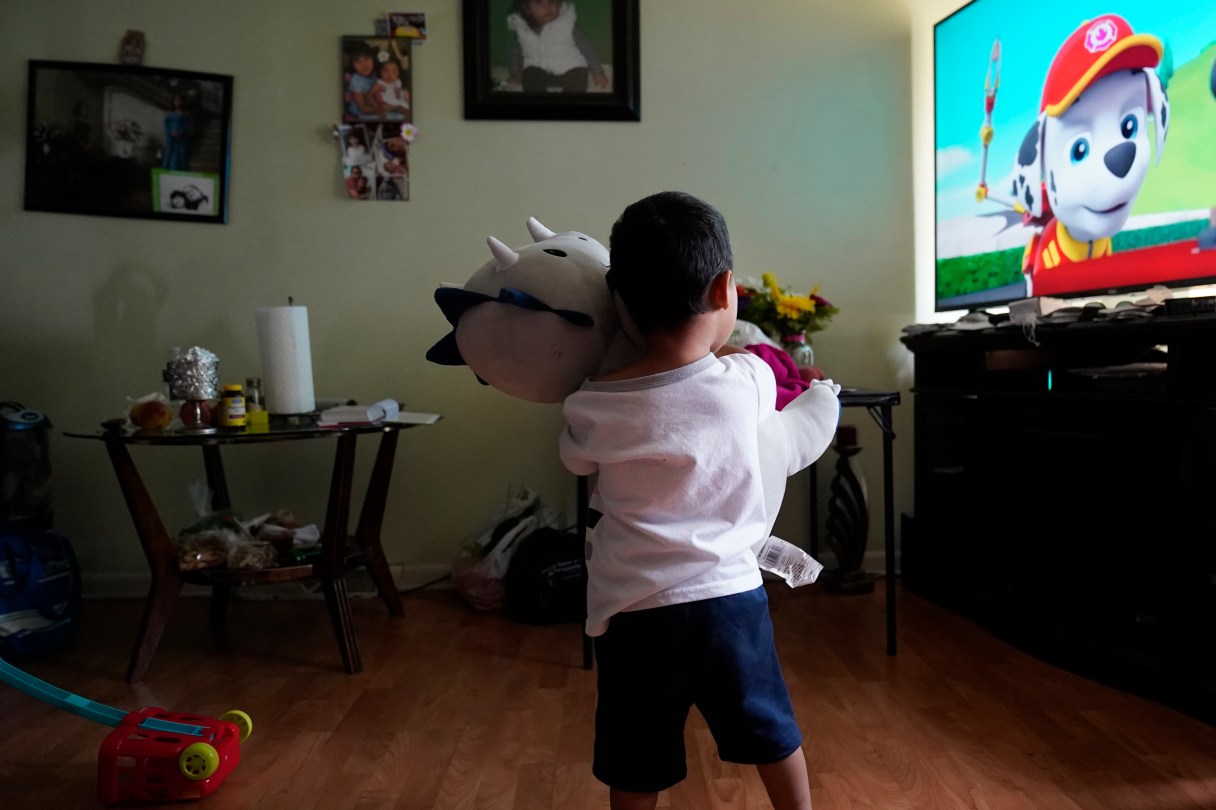
Alexander, 3, who is being treated for developmental delays, holds a stuffed animal and watches Paw Patrol in the living room of his West Chicago, Ill., home Tuesday, Aug. 8, 2023. Alexander qualified for five Early Intervention therapies in summer 2021, physical, occupational, developmental, behavioral and speech when he was about a year old. But the family waited more than a year to get any of these services in-person. (AP Photo/Charles Rex Arbogast)


CHICAGO (AP) — Alexander watches Paw Patrol with fervor, bowls his baby brother over with hugs and does everything with gusto.

What the 3-year-old West Chicago toddler can’t do yet is speak more than a few words. His balance is wobbly and he isn’t able to let his preschool teachers know when he’s hurt or scared.

When his mother, Hilda Garcia, had him tested, the youngster qualified for five therapies through a U.S. program dedicated to treating developmental delays in babies and toddlers — treatment designed to help Alexander develop the tools he needs to thrive.

The relief she felt in identifying what he needed was short-lived.