
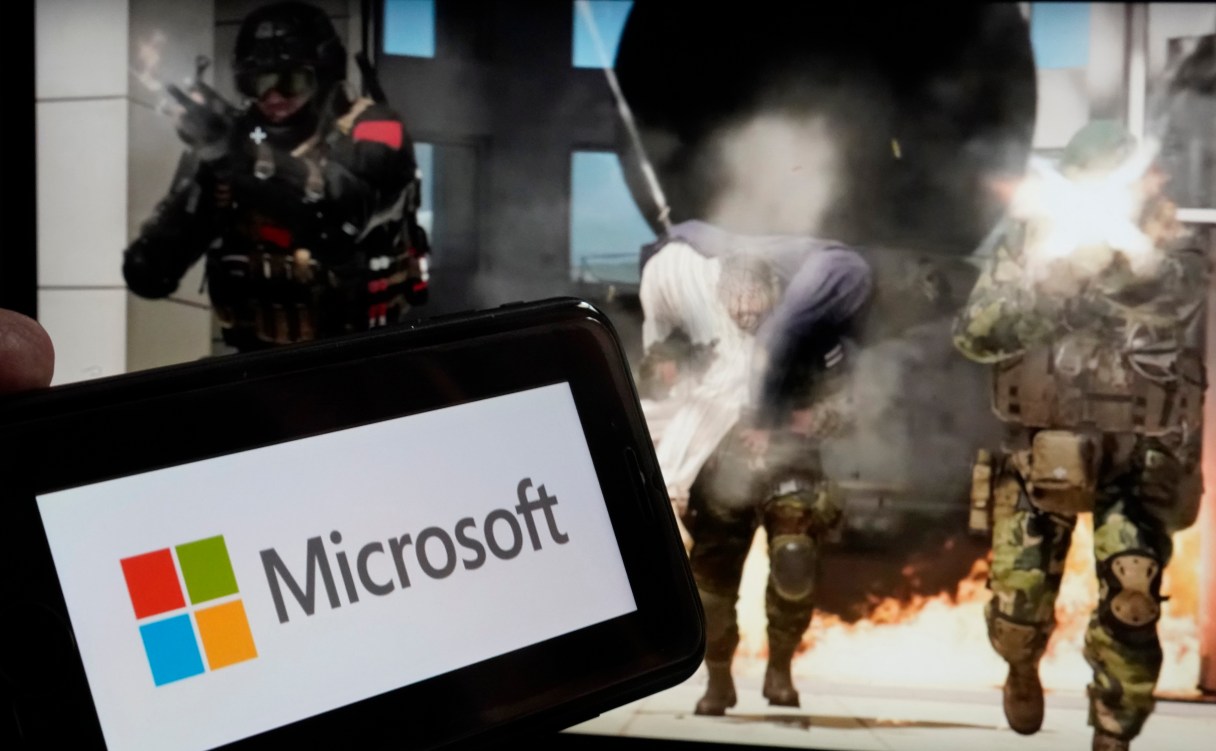
Microsoft has completed its acquisition of video game-maker Activision Blizzard for $69 billion, closing one of the most expensive tech acquisitions in history that could have repercussions across the video game industry.
The notice that the deal has gone through came seven hours after Microsoft got final approval from Britain’s competition watchdog, which reversed its earlier decision to block the merger, removing the last obstacle for the transaction.
Taking over the studios behind blockbuster games like Call of Duty, Diablo and Overwatch will be a boost for Microsoft’s Xbox gaming console, which ranks third in sales behind PlayStation and Nintendo. The software giant also has bigger ambitions to fold Activision titles into its multi-game subscription service that works something like a Netflix for video games.
The nearly 22 months it took to close the deal reflected concerns from rivals and government regulators that Microsoft could use its growing collection of games to lessen competition. It’s part of a broader industry consolidation that also has some independent game developers worried they’ll get sidelined as the industry allocates its resources toward blockbuster franchises with a history of past success.
It still faces opposition from the U.S. Federal Trade Commission, which has argued that Microsoft could use the consolidation of a major game publisher to create “walled gardens” around its Xbox Game Pass subscription service and the emerging business of streaming games on demand. But after losing a court fight to pause the merger, FTC antitrust enforcers must now undertake a difficult battle to try to unwind it.