
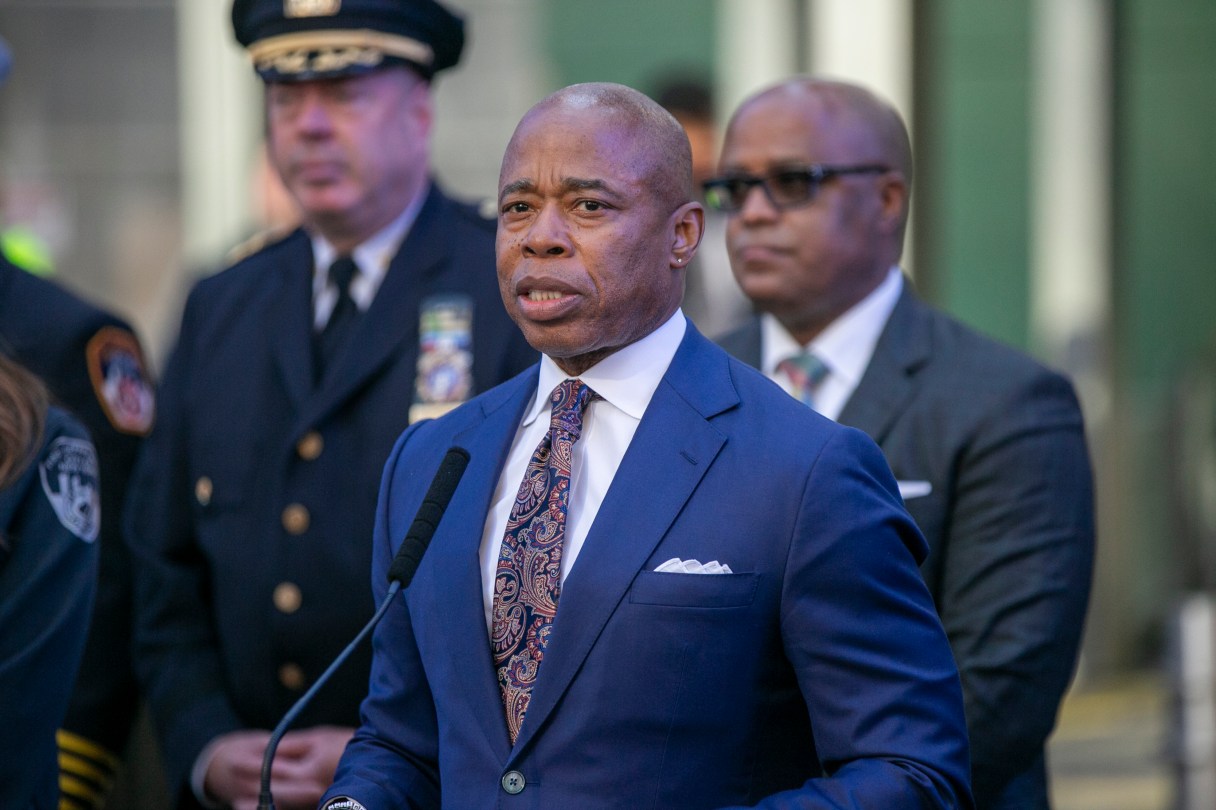
ALBANY, N.Y. (AP) — New York City Mayor Eric Adams has been using artificial intelligence to make robocalls that contort his own voice into several languages he doesn’t actually speak, posing new ethical questions about the government’s use of the rapidly evolving technology.
The mayor told reporters about the robocalls on Monday and said they’ve gone out in languages such as Mandarin and Yiddish to promote city hiring events. They haven’t included any disclosure that he only speaks English or that the calls were generated using AI.
“People stop me on the street all the time and say, ‘I didn’t know you speak Mandarin, you know?'” said Adams, a Democrat. “The robocalls that we’re using, we’re using different languages to speak directly to the diversity of New Yorkers.”
The calls come as regulators struggle to get a handle on how best to ethically and legally navigate the use of artificial intelligence, where deepfake videos or audio can make it appear that anyone anywhere is doing anything a person on the other side of a computer screen wants them to do.
In New York, the watchdog group Surveillance Technology Oversight Project slammed Adams’ robocalls as an unethical use of artificial intelligence that is misleading to city residents.