
Monday, November 16, 2026Nov 16

How China’s Belt and Road Initiative is changing after a decade of big projects and big debts

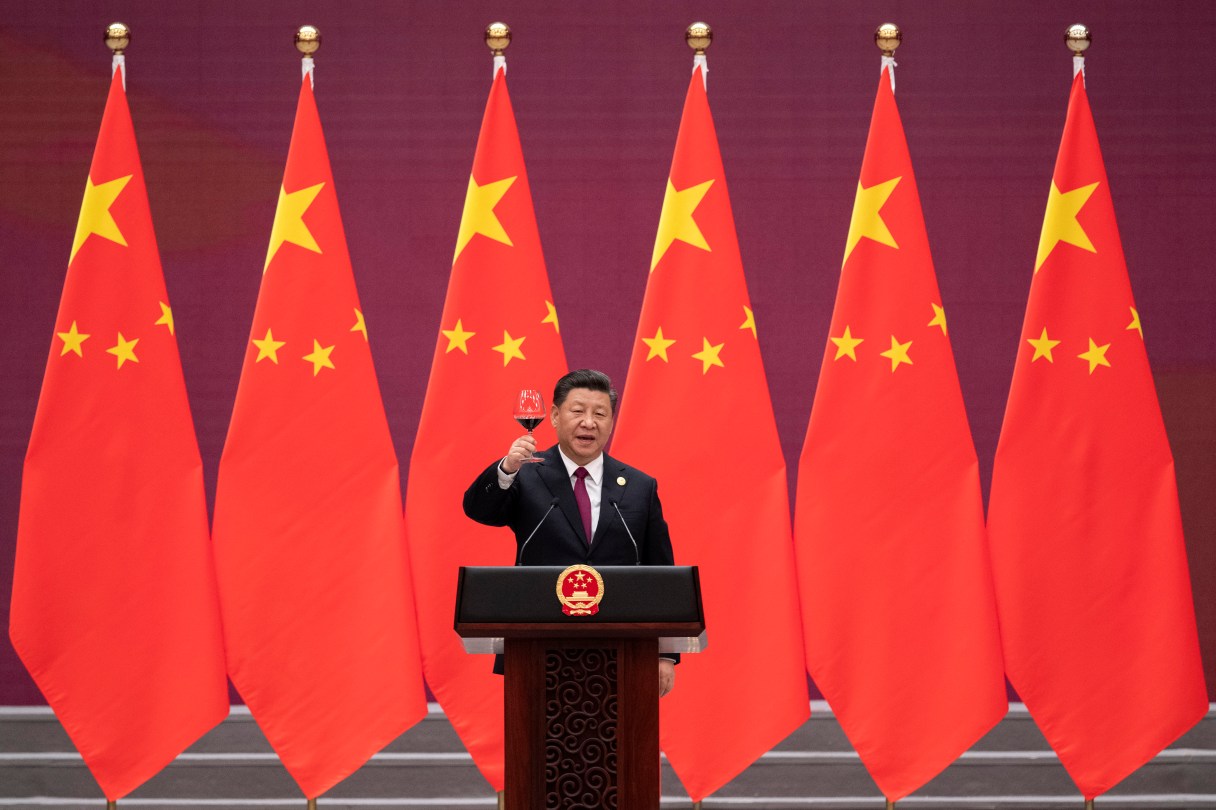
FILE - Chinese President Xi Jinping raises his glass and proposes a toast during the welcome banquet for visiting leaders attending the Belt and Road Forum at the Great Hall of the People, on April 26, 2019. China's Belt and Road Initiative looks to become smaller and greener after a decade of big projects that boosted trade but left big debts and raised environmental concerns. (Nicolas Asfouri/Pool Photo via AP, File)

BEIJING (AP) — China’s Belt and Road Initiative looks to become smaller and greener after a decade of big projects that boosted trade but left big debts and raised environmental concerns.

The shift comes as leaders from across the developing world descend on Beijing this week for a government-organized forum on what is known as BRI for short.

The initiative has built power plants, roads, railroads and ports around the world and deepened China’s relations with Africa, Asia, Latin America and the Mideast. It is a major part of Chinese President Xi Jinping’s push for China to play a larger role in global affairs.

WHAT IS THE BRI?

Called “One Belt, One Road” in Chinese, the Belt and Road Initiative started as a program for Chinese companies to build transportation, energy and other infrastructure overseas funded by Chinese development bank loans.