
WAYNE, Mich. (AP) — As Britney Johnson paced the picket line outside Ford’s Wayne Assembly plant, she wasn’t just carrying a sign demanding higher pay and other changes.
Autoworker jobs have long been a pillar of the Black middle class in America, and the strikes and the fight for higher wages have had even deeper significance for workers like Johnson.
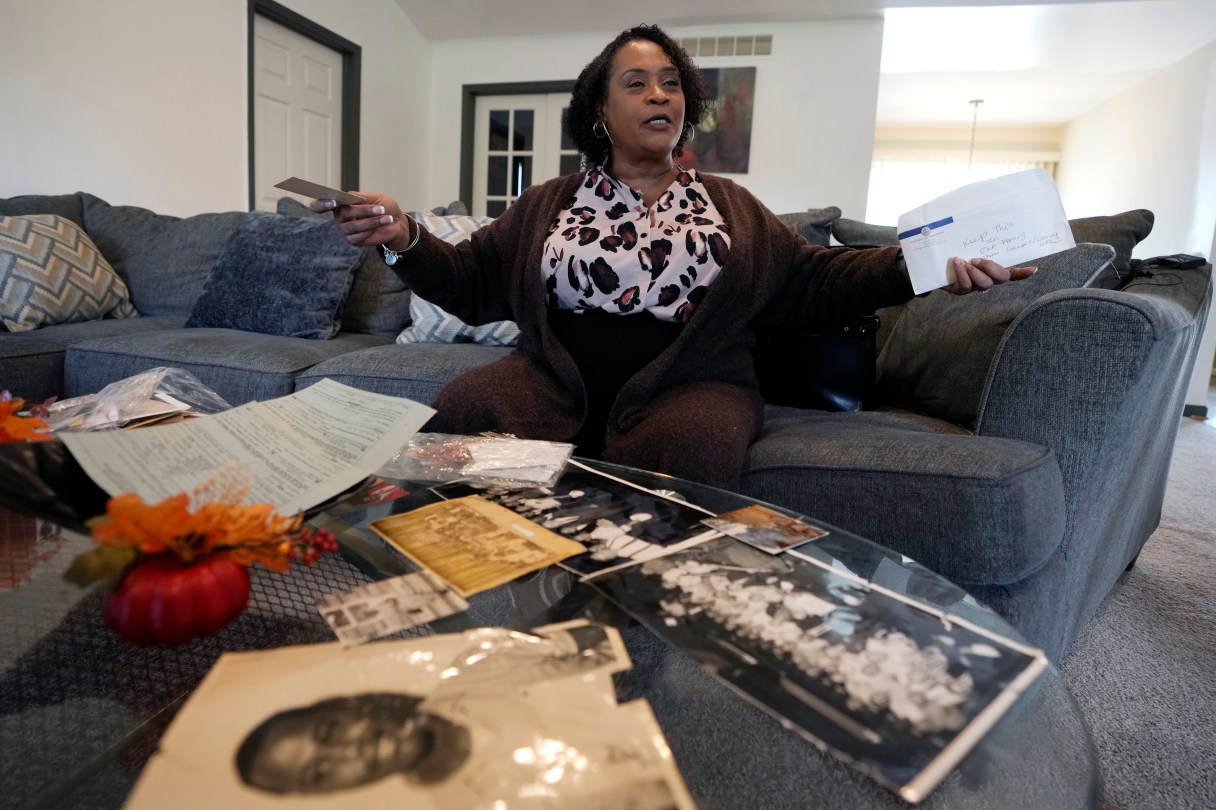
Johnson’s great-grandfather, grandfather and mother all worked on assembly lines for one or more of Detroit’s automakers, as did some of her uncles.
“We told her she’s representing our family,” Johnson’s mother, Tracy Brooks, jokes.
It seems the efforts of Johnson and her co-workers were starting to pay off. All striking Ford workers were called Wednesday by the United Auto Workers to return to their jobs after the union said it reached a tentative contract agreement with Ford that would give them a 25% general wage increase, plus cost of living raises that will put the pay increase over 30%, to above $40 per hour for top-scale assembly plant workers by the end of the contract. Union members still must approve the deal.