
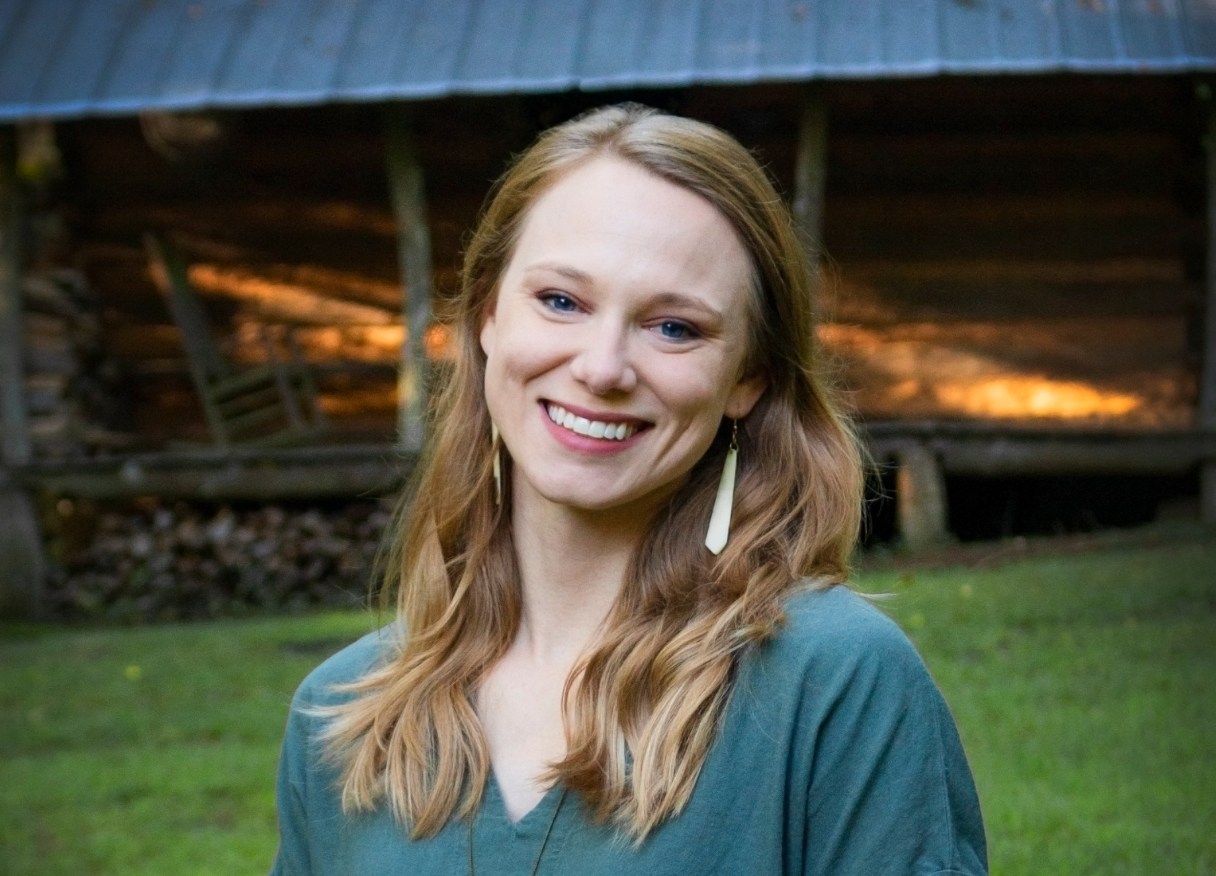
“THE FOXFIRE BOOK OF APPALACHIAN WOMEN,” edited By Kami Ahrens (The University of North Carolina Press, 268 pages, $25).
The Foxfire series, as editor Kami Ahrens explains in the introduction to “The Foxfire Book of Appalachian Women,” began when “a group of rowdy high school students and their English teacher in Rabun Gap, Georgia, decided to create a literary magazine in 1966.”
The first Foxfire Magazine, published in 1967, featured not just poetry and prose from the community, but interviews with locals as well. Over the years, such interviews have played a central role in the Foxfire project, but as Ahrens states, “While stories of women, bonded by common threads of place and culture, are scattered throughout the Foxfire publications, we’ve just now identified the need to craft a book dedicated to the Appalachian women whose stories were carefully collected by our Foxfire students.”
“The Foxfire Book of Appalachian Women” contains compiled interviews from 21 notable women, many of whom were born in the late 19th or early 20th century. Each woman’s section of the book weaves multiple interviews done over time to create a fluid, comprehensive narrative. Every interview subject is a unique individual, and the stories are informative and nuanced, but the women share many similar opinions: for example, that children used to be happier, people have lost touch with religion and that simple, rural living is more comfortable and restful than city life.
As Margaret Norton, a Georgia woman first interviewed in 1967, explains, “Some people say the only way out now is for people to go back to the way they’s livin’ 50 years ago. Wonder how the young people’d feel about that?” Many women, such as Carrie McDonnell Stewart, who was born in North Carolina in 1878, describe a childhood filled with chores and responsibility. Stewart expresses the shared belief that parents are to blame because of their lack of attention and discipline for the state of children today.