

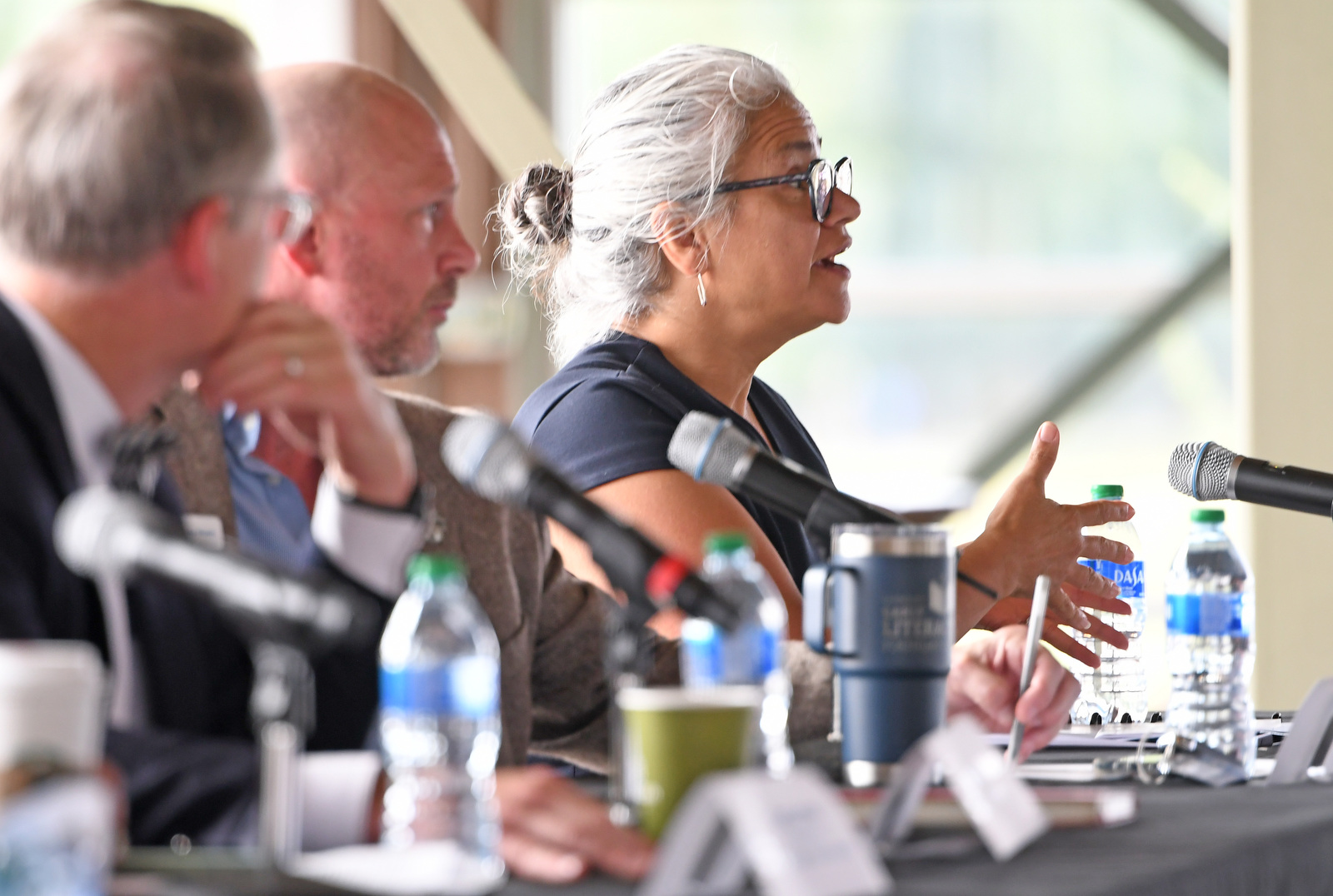
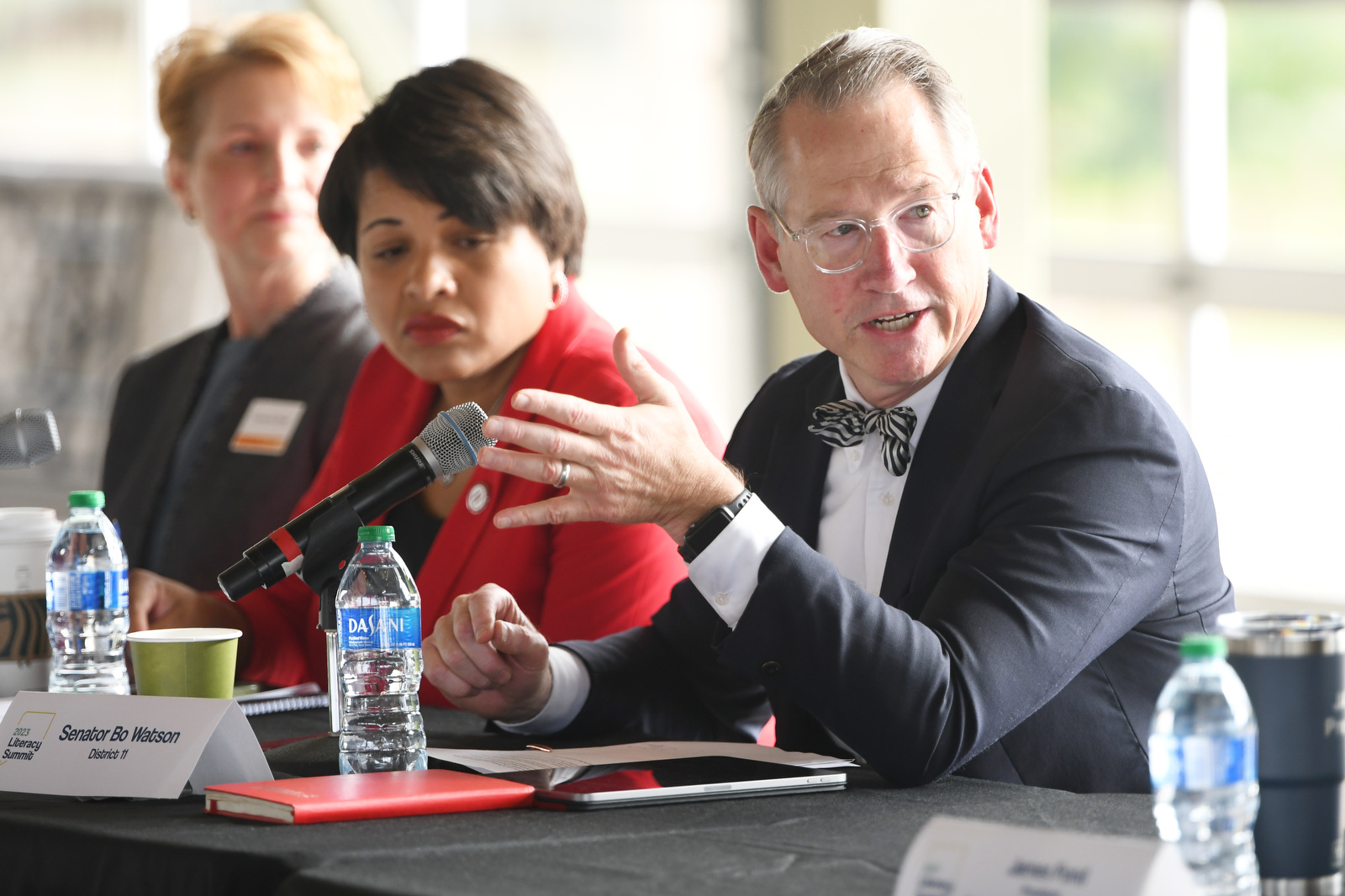
State Sen. Bo Watson, R-Hixson, hosted the third annual Literacy Summit in Collegedale on Thursday, where he led a discussion about strategies for improving reading and writing with local and state education leaders.
Just under 40% of Hamilton County students are proficient in English language arts, according to the most recent Tennessee Comprehensive Assessment Program results.
“Every child has the desire to learn,” Watson said. “You just have to figure it out.”
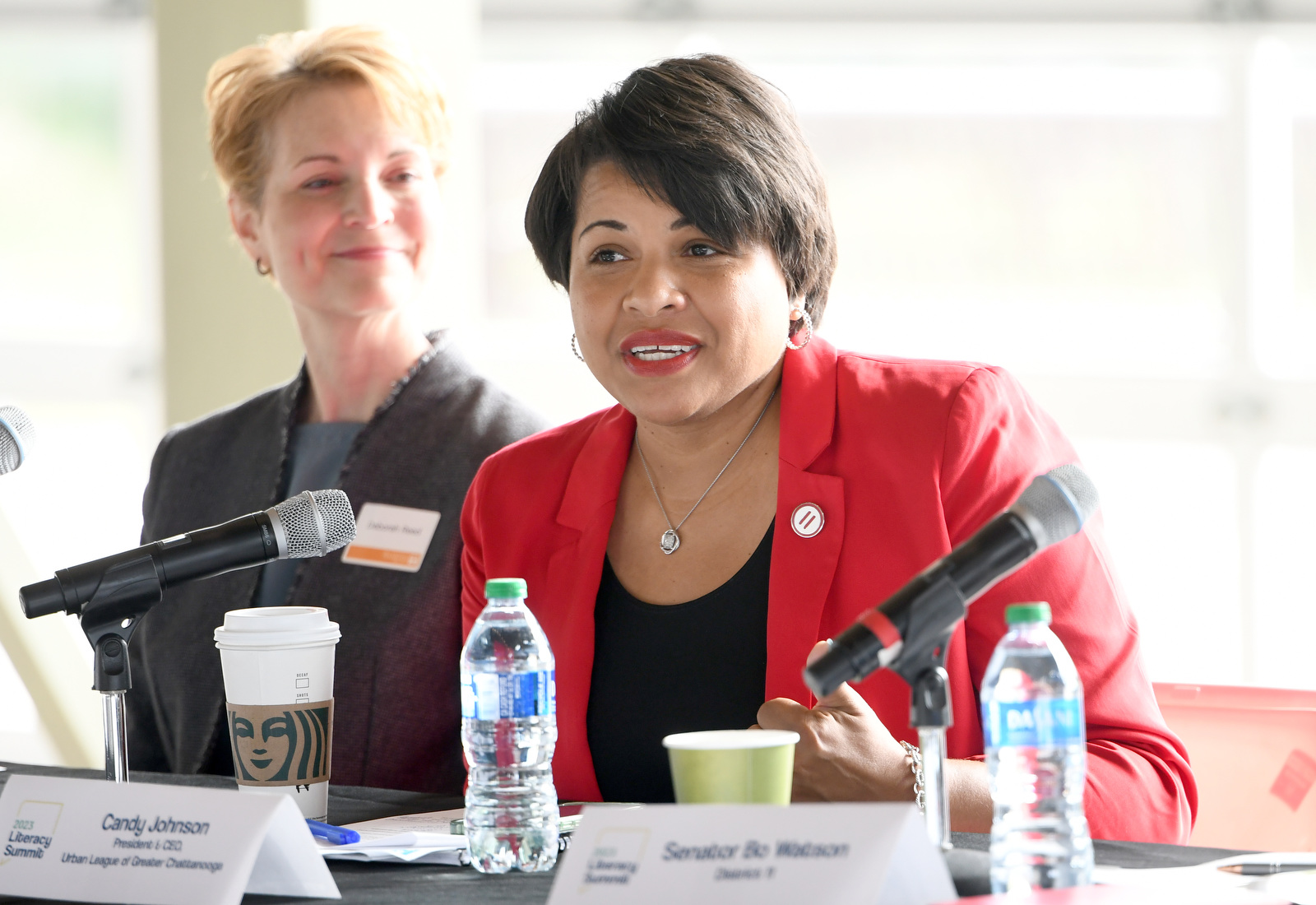
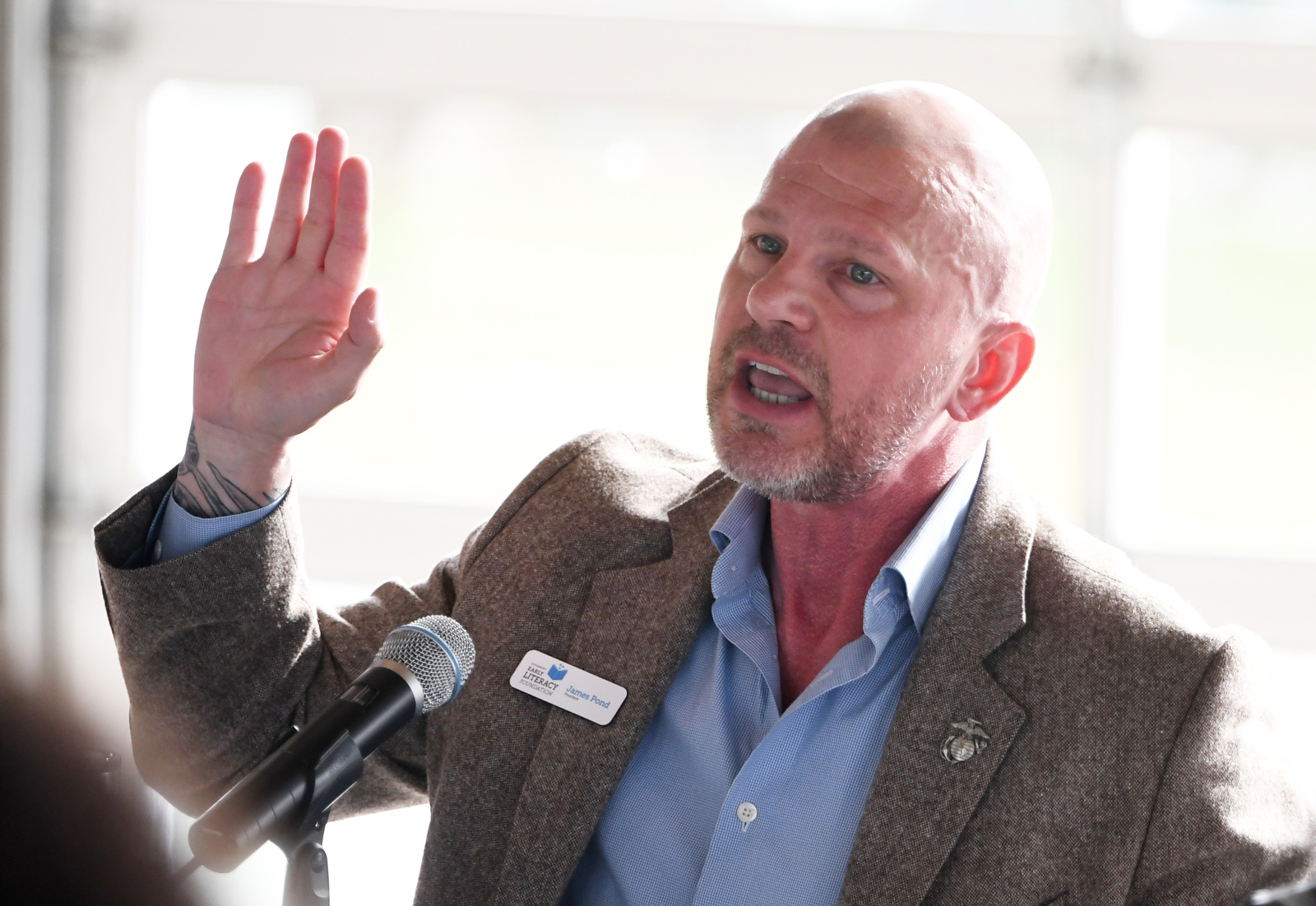
Watson was joined by four other panelists: Lizzette Reynolds, commissioner of the Tennessee Department of Education; Candy Johnson, president of the Urban League of Greater Chattanooga; Deborah Reed, director of the Tennessee Reading Research Center at the University of Tennessee in Knoxville; and James Pond, president of the Governor’s Early Literacy Foundation.
Photo Gallery
Elected officials and education leaders talk holistic literacy approach at third annual Literacy Summit






The conversation centered around the 2021 Tennessee Literacy Success Act, which overhauled how the state teaches reading. Among other measures, it launched a comprehensive program known as Reading 360 and switched the state back to phonics-based instruction. All licensed elementary teachers also had to complete foundational literacy training by August.
Reed said it typically takes three years to see the effects of a change in the school system.
“We are at pre-pandemic levels,” Reynolds said. “We’ve erased that loss, which is tremendous given that this year truly is the first year of the actual building blocks being all in place.”
(READ MORE: Hamilton County school facilities plan recommends renovations, school closures)
Perhaps the most well-known change associated with the act is the law that requires school districts to hold back third graders not deemed proficient in English language arts based on TCAP scores. But panelists said it’s also important to consider enhancing literacy efforts in other grades.
“A lot of attention is placed on third grade — rightfully so with the high stakes of third grade — but then we can’t grab students off the cliff,” Reed said. “I think the payoff that we’re going to see is by having everybody on board with this across the grade levels and everyone’s who’s involved in the preparation of children speaking the same language.”
Watson added that addressing literacy at all levels was needed because teaching a middle school student how to read requires different tactics than teaching an elementary student.
Both Reed and Reynolds emphasized the tutoring mandated by the third grade retention law helps fill in learning gaps but that it needs to be supplemental to quality instruction. According to the law, a third grade student who scores as approaching English proficiency can participate in a summer bridge program to achieve proficiency or receive tutoring throughout fourth grade. A student who scores well below proficiency must participate in both.
“Tutoring is great, for now. It’s definitely great. It’s really helped kids catch up after the pandemic,” Reynolds said. “But at the end of the day, you’ve got to figure out how we also bring that into the classroom so that the teachers also have the tools and the knowledge that they need to continue that support.”
Panelists also discussed how to reach students who have historically faced challenges in achieving English language arts proficiency. The Urban League’s Johnson cited the 2022 “State of Black Chattanooga” report, which found Black students did not achieve English proficiency at the same rate as their white peers at any elementary school in the county.
“There is an issue here that the school district cannot solve on their own,” she said. “State government doesn’t have the resources for solving this problem. It takes every one of us in this room to be thinking about how are we working with families and how are we going to move people up.”
Contact Shannon Coan at scoan@timesfreepress.com or 423-757-6396.