
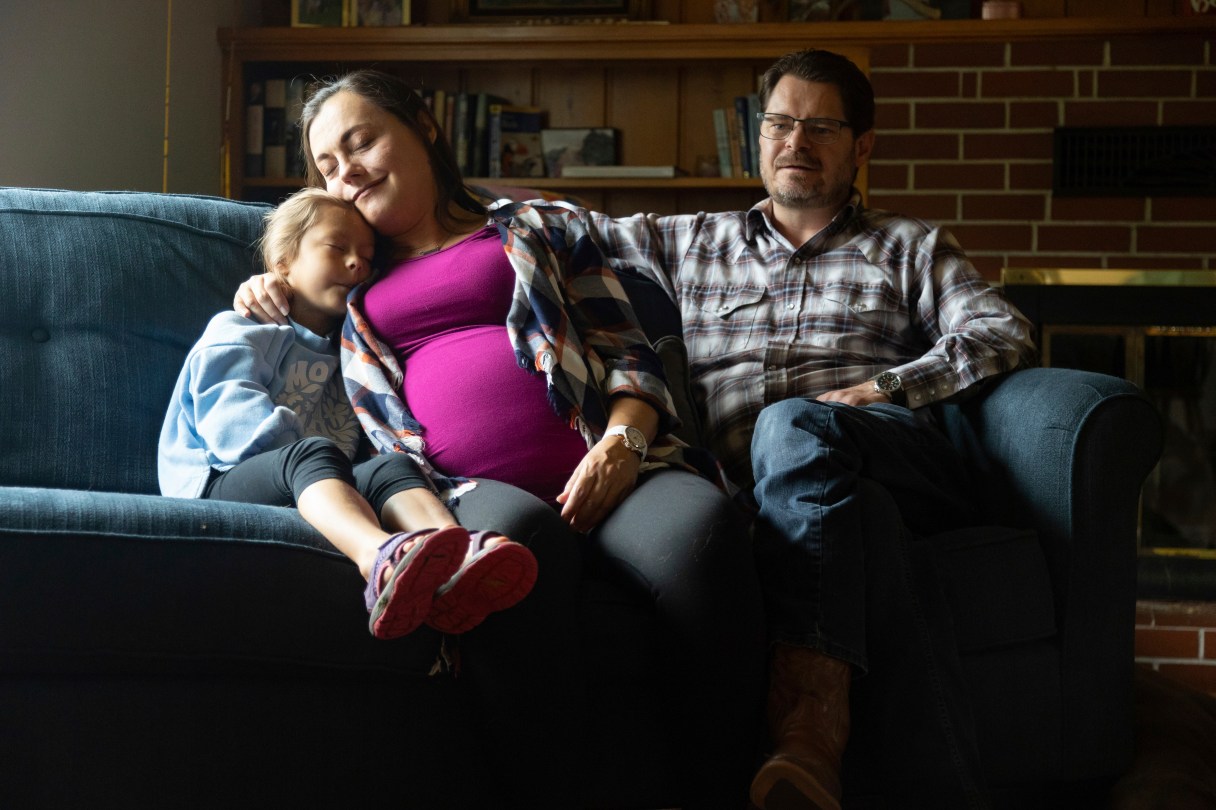
Alisha Alderson placed everything she needed for the last month of her pregnancy in various suitcases as she prepared to leave the comfort of her home in rural eastern Oregon. The only maternity ward within 40 miles abruptly closed in August, so she would be staying at her brother’s house in Idaho to be closer to a hospital.
“I was sitting in a hair salon a few days ago and some people started joking about me giving birth on the side of the road,” the 45-year-old said. “And in that moment, I just pictured all the things that could go wrong with my baby and broke down in tears in front of strangers.”
Fewer than half of rural hospitals in the U.S. have maternity units, which forces pregnant women to travel longer distances for care or face giving birth in an emergency room. It’s also prompted government officials and families to scramble for answers. One solution gaining ground is freestanding midwife-led birth centers, but those also often rely on hospitals when serious complications arise.
The closures have worsened so-called “maternity care deserts” — counties, mostly rural, with no hospitals or birth centers and no OB providers. More than two million women of childbearing age live in these areas. And fewer hospital maternity units makes having babies less safe, doctors and researchers say.
“Moms have complications everywhere. Babies have complications everywhere,” said Dr. Eric Scott Palmer, a neonatologist who practiced at Henry County Medical Center in rural Tennessee before it ended obstetric services this month. “There will be people hurt. It’s not a question of if — simply when.”