
Tuesday, November 17, 2026Nov 17

A small venture capital player becomes a symbol in the fight over corporate diversity policies

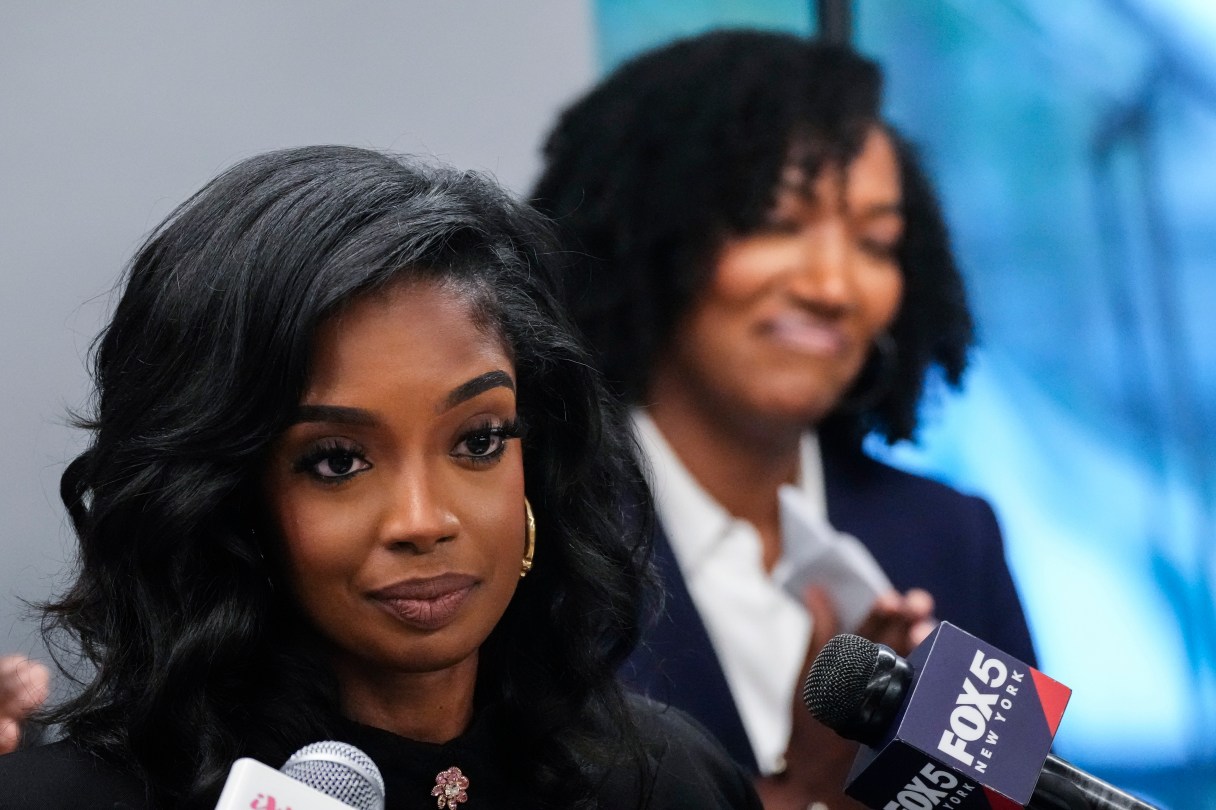
FILE - Ayana Parsons, right, and Arian Simone, of Fearless Fund, attend a news conference, Aug. 10, 2023, in New York. The venture capital firm that has backed buzzy new companies like restaurant chain Slutty Vegan and beauty brand Live Tinted has become symbolic of the fight over corporate diversity policies since becoming a target of a lawsuit over a grant program for Black women. But the Fearless Fund is a tiny player in the approximately $200 billion global venture capital market. (AP Photo/Frank Franklin II, File)

NEW YORK (AP) — A venture capital firm that has backed buzzy new companies like restaurant chain Slutty Vegan and beauty brand Live Tinted has become symbolic of the fight over corporate diversity policies since becoming a target of a lawsuit over a grant program for Black women.

But the Fearless Fund is a tiny player in the approximately $200 billion global venture capital market.

The Atlanta-based firm has invested nearly $27 million in some 40 businesses led by women of color since launching in 2019, and awarded another $3.7 million in grants. Collectively, those businesses employ about 540 people, up from 250 at the time of investment, according to the Fearless Fund’s “impact report,” released Wednesday.

While the money has made a big difference to those businesses, Fearless Fund co-founder Arian Simone said it’s a drop in the bucket compared to systemic changes needed to close the racial and gender gap in venture capital funding.

Less than 1% of venture capital funding goes to businesses owned by Black and Hispanic women, according to the nonprofit advocacy group Digitalundivided. Just to get that number over 2% would take billions of dollars, Simone said.