
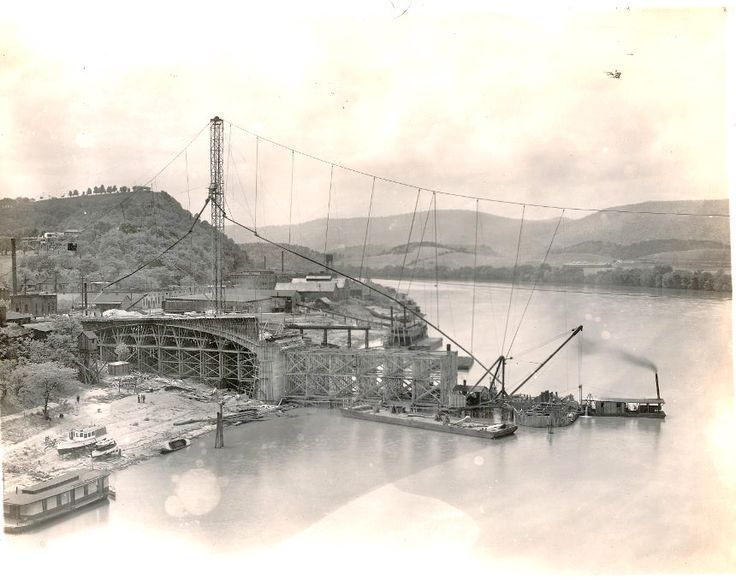
(Editor’s note: first of two parts)
Thousands drive across the Market Street bridge each morning, most without any thought of its history. Few refer to its official name, the Chief John Ross Bridge, unaware that the span was named for the longest serving (1828-1866) principal chief of the Cherokee Nation.
The Ross Bridge was built after it became evident that the Walnut Street Bridge, originally built for horse and buggy traffic, could not handle the growing volume of automobiles. The interval from recognition that a second downtown bridge was needed until dedication was lengthy, involving city officials, business leaders, engineers, the Tennessee legislature and the U.S. Congress.
An Oct. 4, 1913, Chattanooga Daily Times headline announced that Rep. John Austin Moon’s bill had passed both houses of Congress “giving the government’s consent for the construction of a bridge across the Tennessee River at the end of Market Street in Chattanooga.” Moon’s bill did not specify a particular type of bridge; instead, it simply secured permission for a “high bridge similar to the one at the end of Walnut Street” or a “lower bridge with a draw span” that would allow river traffic so vital to Chattanooga and the region’s economy. It was expected that the Hamilton County Court would act quickly to give its approval for construction and explore options for funding.
The County Court began its approval process at its regularly scheduled quarterly meeting the following Monday, Oct. 6, 1913, having learned that the Tennessee General Assembly and the governor had approved a bond issue for construction. Design work had begun in anticipation of congressional approval; consensus was that a draw bridge would lessen the total cost by more than $100,000. Several local residents attended the meeting and asked for the justification of such an expensive project when schools and other local programs needed additional funding.