
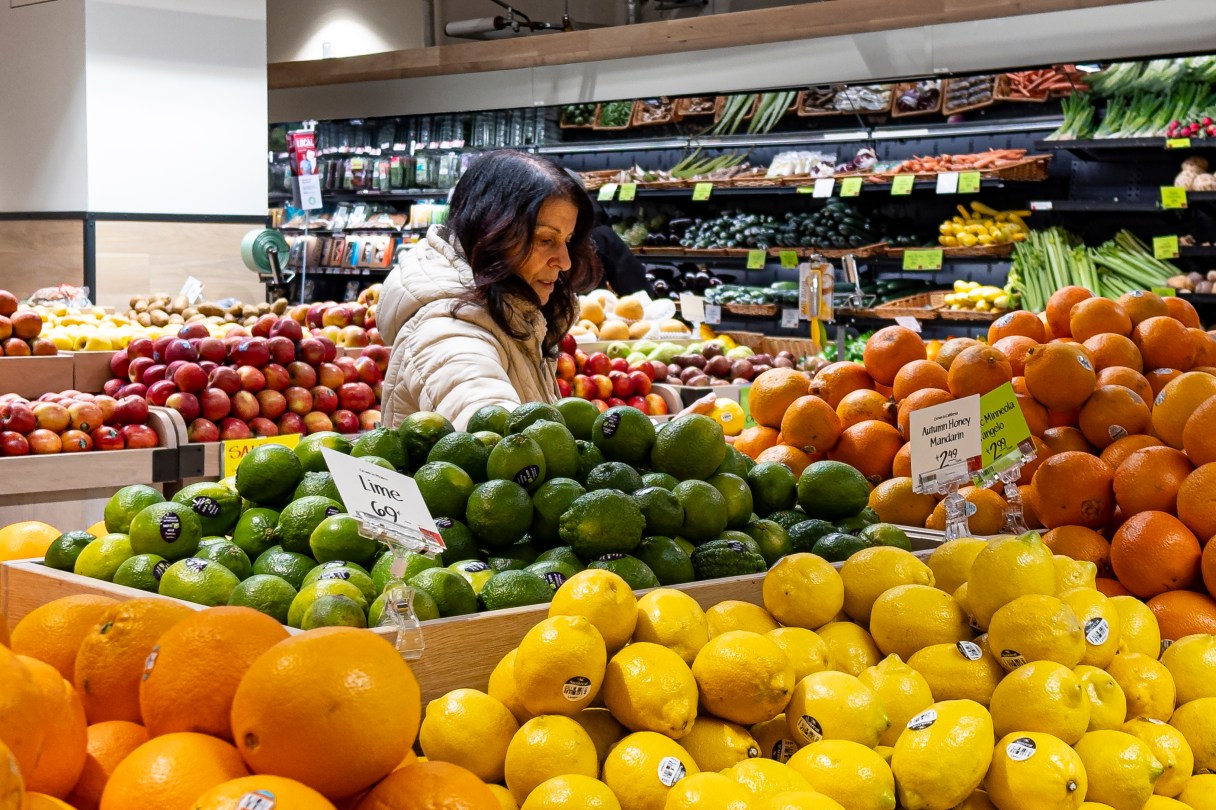
The federal program that helps pay for groceries for millions of low-income mothers, babies and young kids will soon emphasize more fruits, vegetables and whole grains, as well as provide a wider choice of foods from different cultures.
The final rule changes for the program known as WIC were announced Tuesday by the Food and Nutrition Service, and will take effect within two years with some exceptions.
Last updated a decade ago, the new WIC rules make permanent a bump in monthly cash vouchers for fruits and vegetables — something first enacted during the COVID-19 pandemic. Shoppers can also add canned fish, fresh herbs and lactose-free milk to their carts, among other changes. The voucher piece will take effect by June, officials said.
“It places a heavy emphasis on fruits and vegetables, which we think is an important component of a healthy diet,” Agriculture Secretary Tom Vilsack said in an interview. “It’s designed to fill the nutrition gaps that are often in the diets of many of us.”
The WIC program served an average of about 6.6 million low-income Americans a month in 2023 at a cost of a little more than $7 billion. It’s designed to supplement the food budgets for pregnant, nursing and postpartum women, as well as to feed babies and young kids up to age 5. That’s done by providing vouchers to mothers and children who qualify and specifically listing the amount and types of food they can buy.