
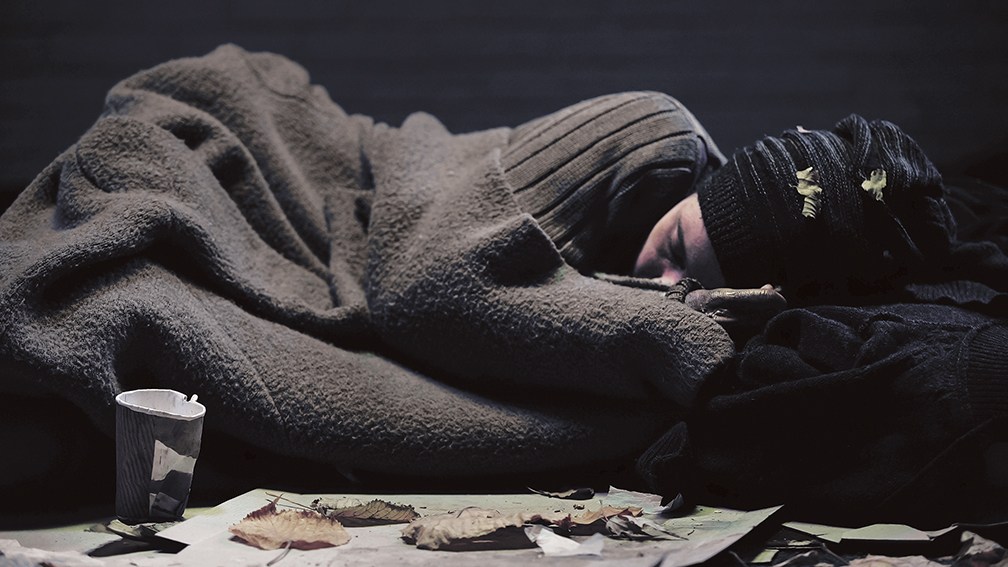
On Monday, the Supreme Court will hear a case that could radically change how cities respond to the growing problem of homelessness. It also could significantly worsen the nation’s racial justice gap.
City of Grants Pass v. Johnson began when a small city in Oregon with just one homeless shelter began enforcing a local anti-camping law against people sleeping in public using a blanket or any other rudimentary protection against the elements, even if they had nowhere else to go. The court must now decide whether it is unconstitutional to punish homeless people for doing in public things that are necessary to survive, such as sleeping, when there is no option to do these acts in private.
The case raises important questions about the scope of the Constitution’s cruel and unusual punishment clause and the limits of cities’ power to punish involuntary conduct. As a specialist in poverty law, civil rights and access to justice who has litigated many cases in this area, I know that homelessness in the U.S. is a function of poverty, not criminality, and is strongly correlated with racial inequality. In my view, if cities get a green light to continue criminalizing inevitable behaviors, these disparities can only increase.
A national crisis
Homelessness in the United States is a massive problem. The number of people without homes held steady during the COVID-19 pandemic largely because of eviction moratoriums and the temporary availability of expanded public benefits, but it has risen sharply since 2022.