
FLINT, Mich. (AP) — Their childhood memories are still vivid: warnings against drinking or cooking with tap water, enduring long lines for cases of water, washing from buckets filled with heated, bottled water. And for some, stomach aches, skin rashes and hair loss.
Ten years ago in Flint — April 25, 2014 — city and state environmental officials raised celebratory glasses as the mayor pressed a button to stop the flow of Lake Huron water supplied by Detroit for almost half a century. That set in motion a lead and bacteria public health crisis from which the city has not fully recovered.
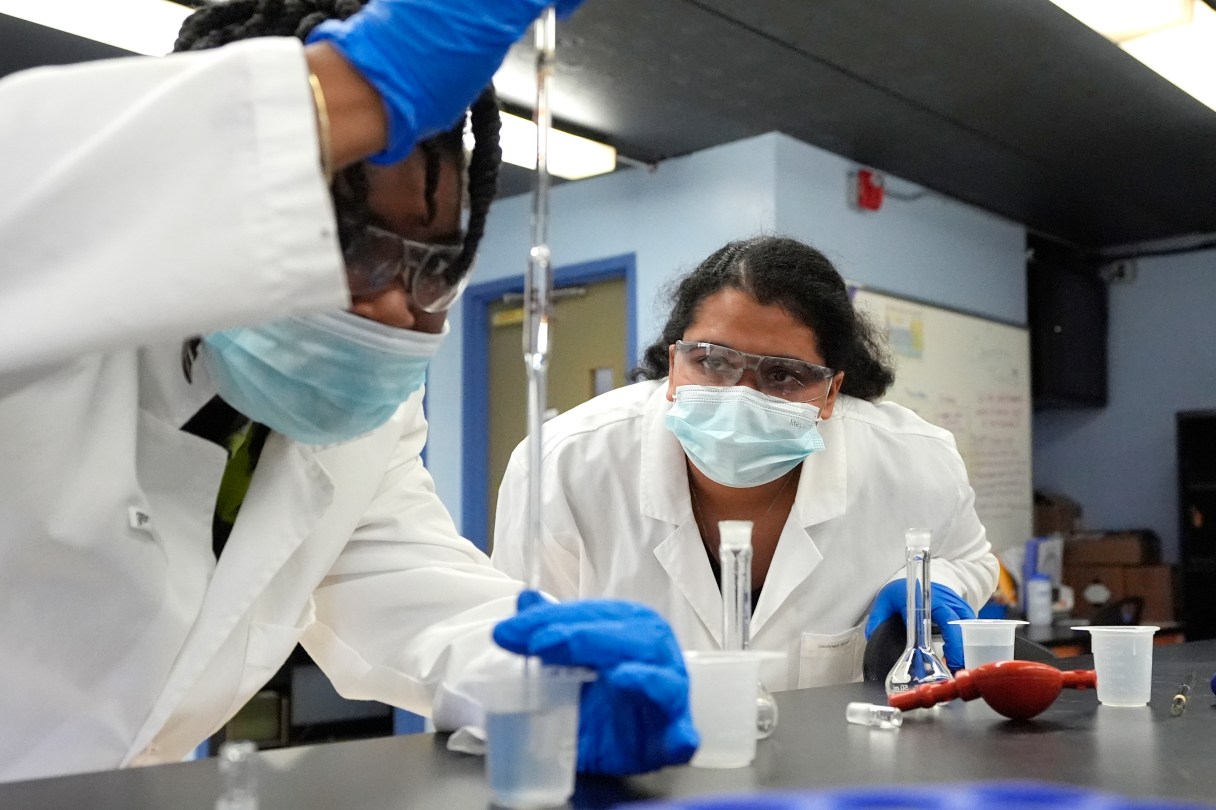
But dozens of children of the water crisis — now teenagers and young adults — have turned their trauma into advocacy. They provide input on public health initiatives, participate in social issue campaigns, distribute filters and provide free water testing for homeowners.
They know that Flint is a place that still struggles. The population has fallen by some 20,000 in the past decade, leaving abandoned houses as targets for arsonists. Almost 70% of children live in poverty, and many struggle in school. Although the water has been declared safe to drink, distrust runs deep, and hundreds of lead water pipes remain in the ground because homeowners were allowed to opt out of replacing them.