
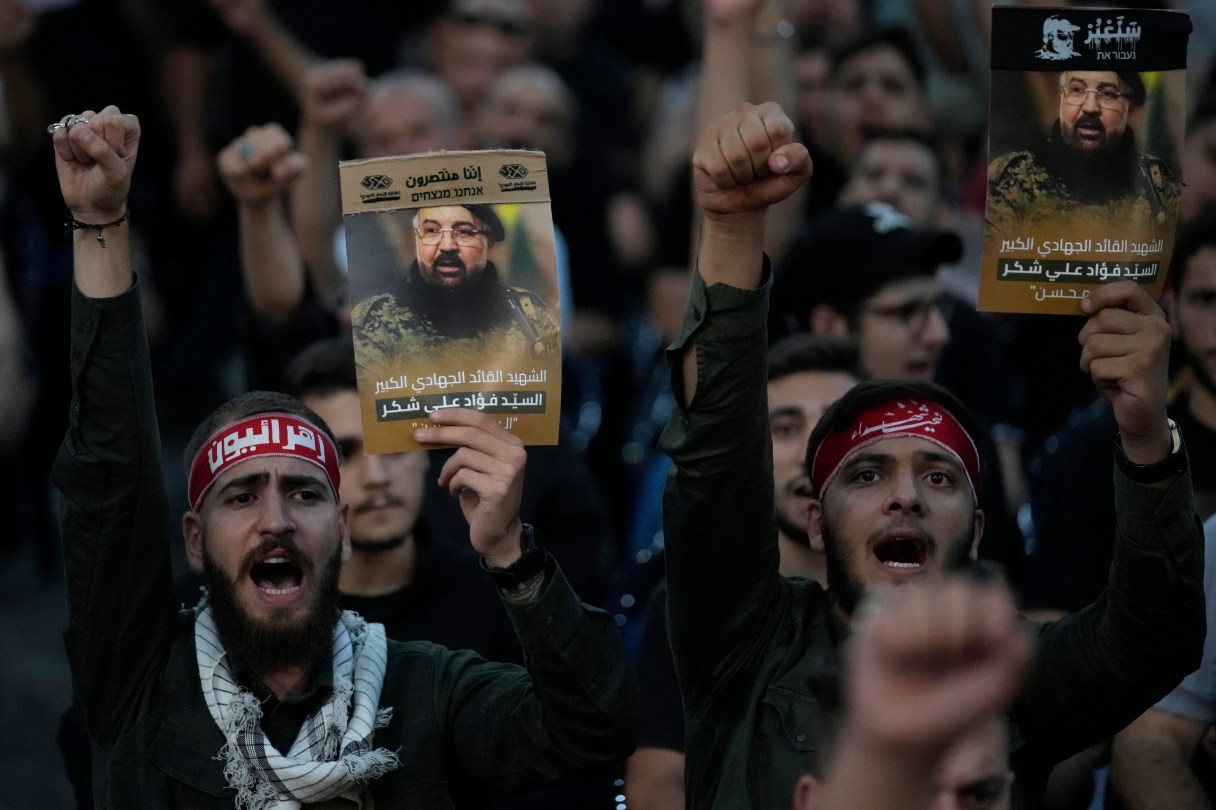
DUBAI, United Arab Emirates (AP) — As Iran threatens to respond to the suspected Israeli assassination of Hamas leader Ismail Haniyeh in Tehran, the regional militias that the Islamic Republic has armed for decades could play a role in any attack.
Here’s a look at Iran’s history of arming militias, its allies in the region and what part they could play.
Why has Iran armed proxy forces?
Iran’s policy of arming militias took root in the aftermath of the 1979 Islamic Revolution. Before it, the U.S. provided major weapon systems including F-14 Tomcat fighter jets to the government of Shah Mohammad Reza Pahlavi. After the revolution and the U.S. Embassy hostage crisis, those shipments and needed maintenance programs stopped. Iran’s eight-year war with Iraq in the 1980s destroyed much of its arsenal. International sanctions on Iran, including over its nuclear program, also have kept it from receiving new arms while Israel and Gulf Arab states allied with the U.S. have received advanced weapons. While developing its own missile program, Iran can’t match those sophisticated weapons. It relies on militias as an asymmetric threat to squeeze both Israel and the United States.
Who are Iran’s regional allies?