
LEWISTON, Maine (AP) — Both the Army Reserve and police missed opportunities to intervene in a gunman’s psychiatric crisis and initiate steps to seize weapons from the spiraling reservist responsible for the deadliest shootings in Maine history, according to the final report released Tuesday by a special commission created to investigate the attacks, which killed 18 people.
The independent commission, which held more than a dozen public meetings, heard from scores of witnesses and reviewed thousands of pages of evidence, reiterated its earlier conclusion that Maine law enforcement officers had authority under the state’s yellow flag law to seize Robert Card’s guns and put him in protective custody weeks before the shootings.
The 215-page report also said the Army Reserve should have done more to ensure health care and deal with the weapons belonging to the 40-year-old Card. And it pointed out that no one used New York’s red flag law to initiate steps to seize the gunman’s weapons when he was hospitalized last summer, even though the law had been used on non-New York residents before.
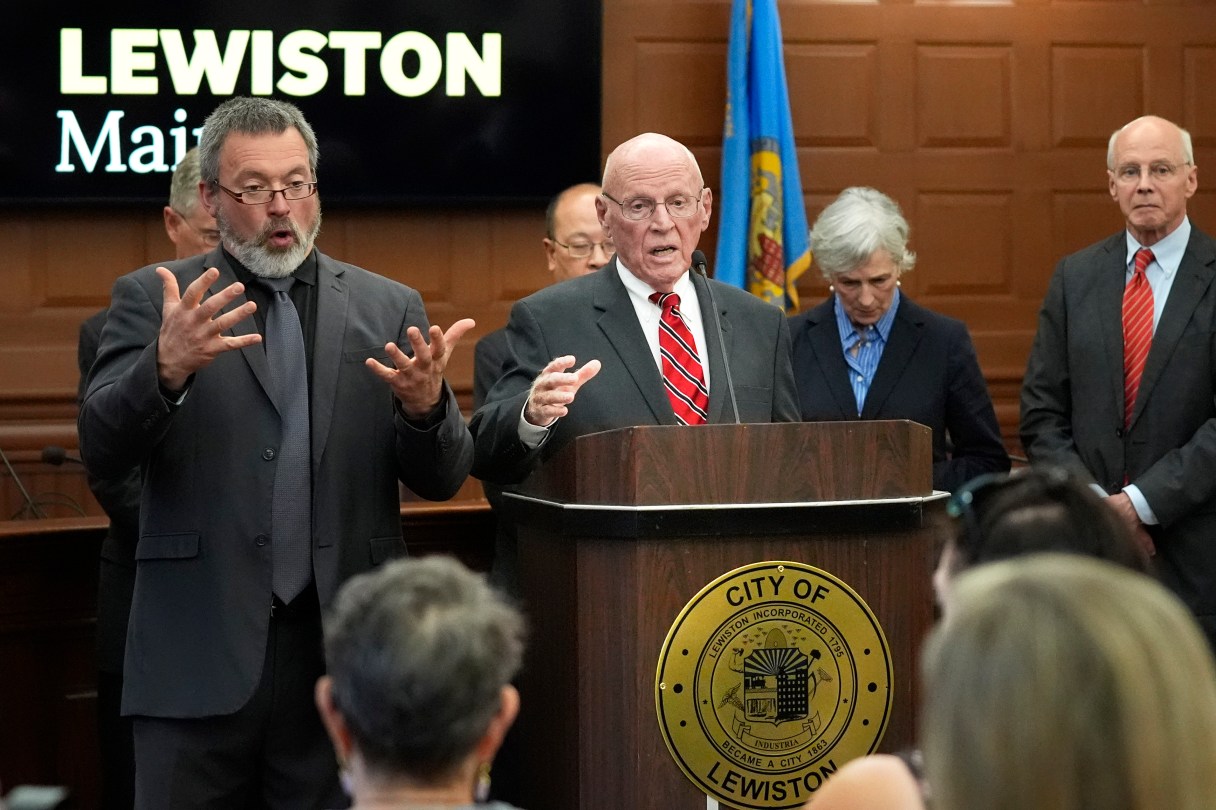
The commission, created by Gov. Janet Mills, a Democrat, announced its conclusions at Lewiston City Hall, less than 3 miles (5 kilometers) from the two sites where the shootings took place Oct. 25, 2023.