
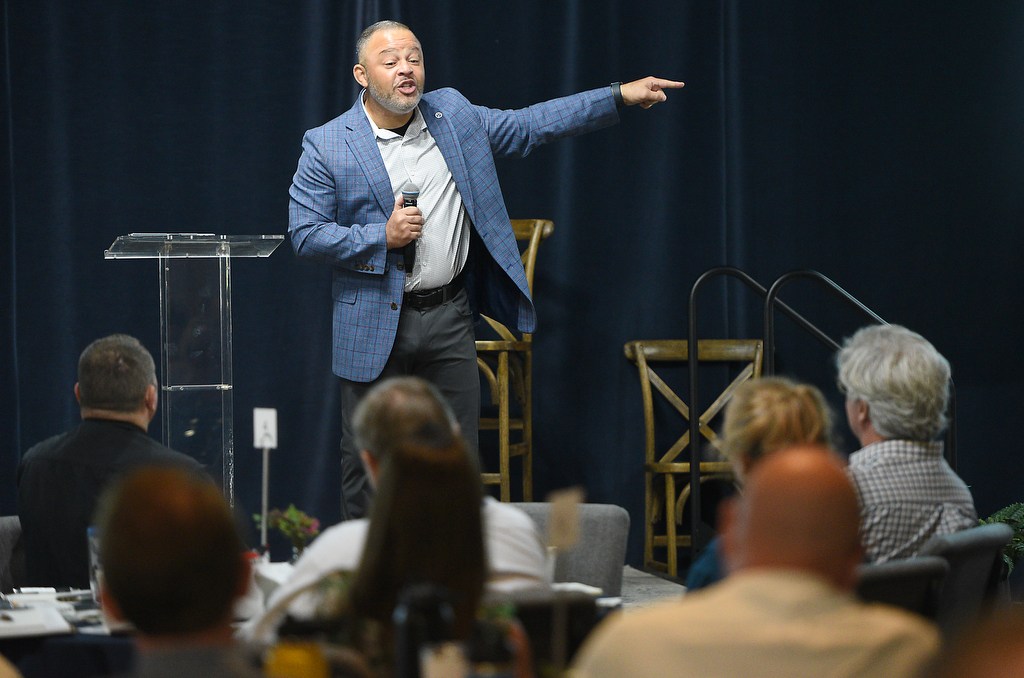
From a Southside church stage Friday, pastor Micah Fries said that, as much as he cares about such things, his deep concern right now is not about policy — or a particular political figure.
“My deep concern,” he said, “is about how the political environment is shaping the souls of those who claim to follow Jesus.”
Citing academic research, he said that most Americans derive their theological identity from their political identity.
“I really think,” he said “we’ve arrived at this point in American consciousness where our politics is our national religion.”
This observation was a central premise of “The Posture of Our Politics: Conversations on How Our Political Engagement is Forming Us Spiritually.”
(READ MORE: With jump to nonprofit status, Chattanooga group bridging faith, work rebrands)
The event, put on by the Chattanooga nonprofit Faith Co-Op, featured Fries and other speakers and public figures who discussed how to approach worldly political life when, as many believe, Jesus is King.
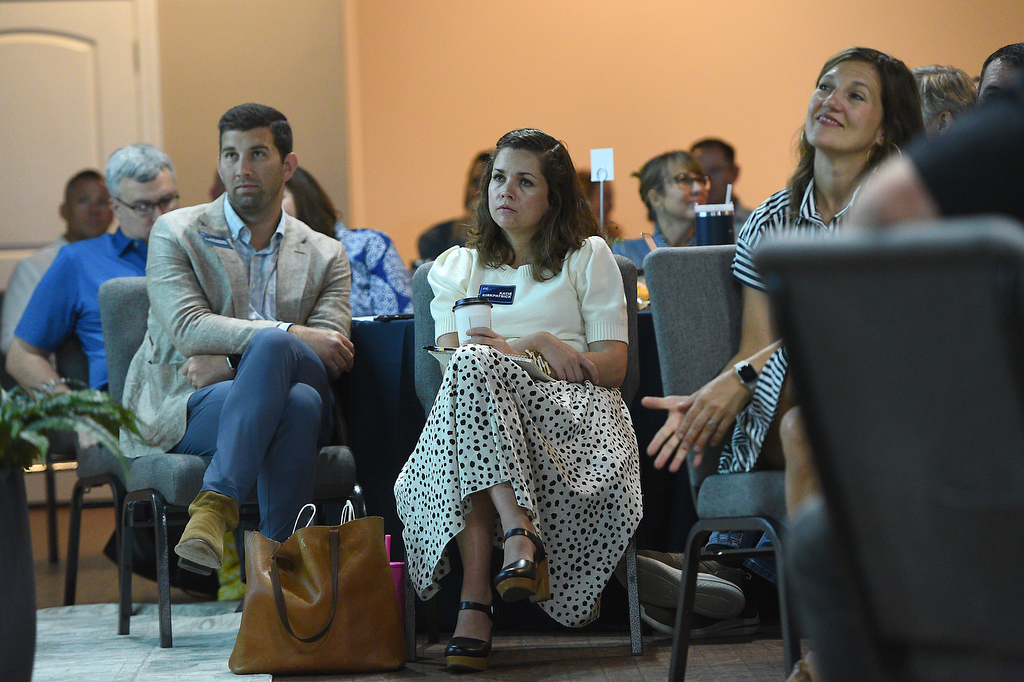
Citing Scripture, academic studies, secondary literature and personal experience, speakers discussed before a full house what implications this deepest of convictions has for how, as Christians, they should engage with political life.
“I hope today you can reorient your allegiance to things that are ultimate,” said the nonprofit’s leader, Jonathan Ingraham, kicking off the event, before ceding the stage to Fries.
Among Fries’ many hats — he used to be the senior pastor at Brainerd Baptist Church — is his role as director of programs at the Multi-Faith Neighbors Network. He said it’s an interfaith organization where different faith groups do not argue about their core convictions but rather coordinate around what they have in common — the idea that humans have dignity, worth and value.
The premise, he said, is that different people come to a table on this basis and work together to improve their communities, even as they are honest and open about where they diverge — a basis, he said, for true friendship.
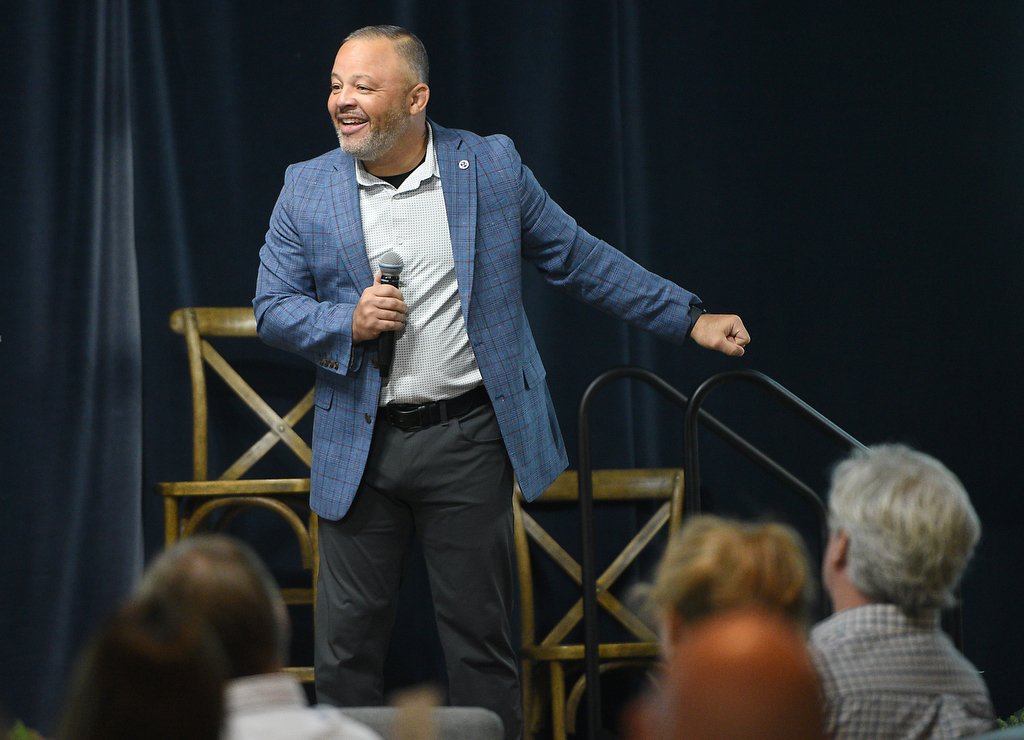
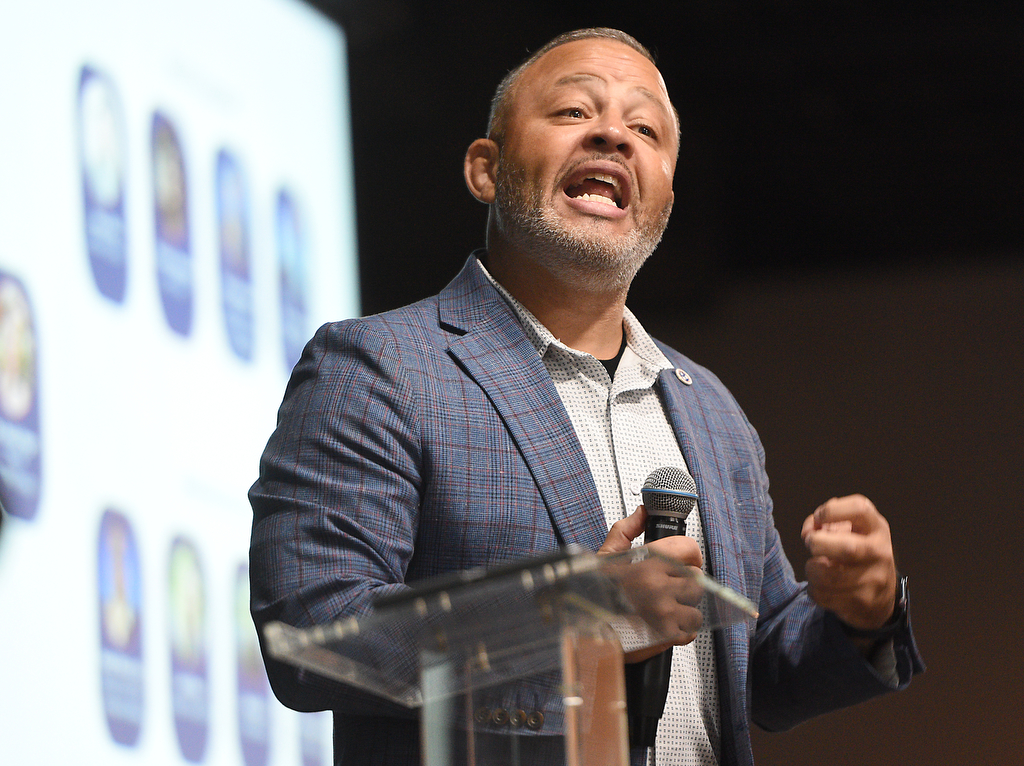
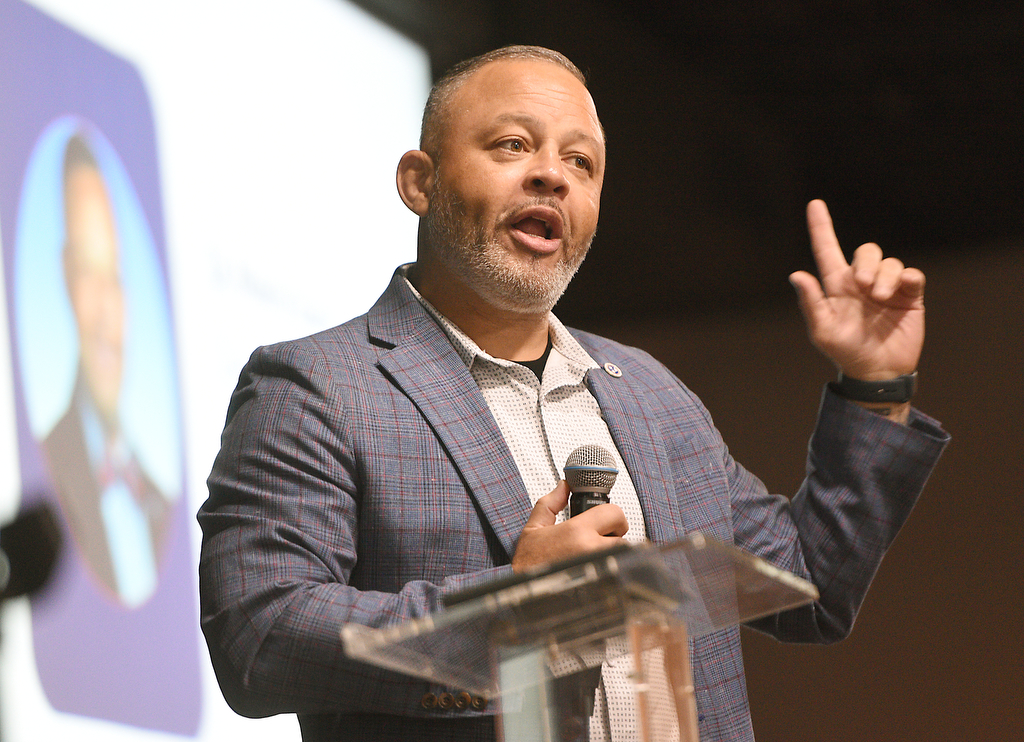
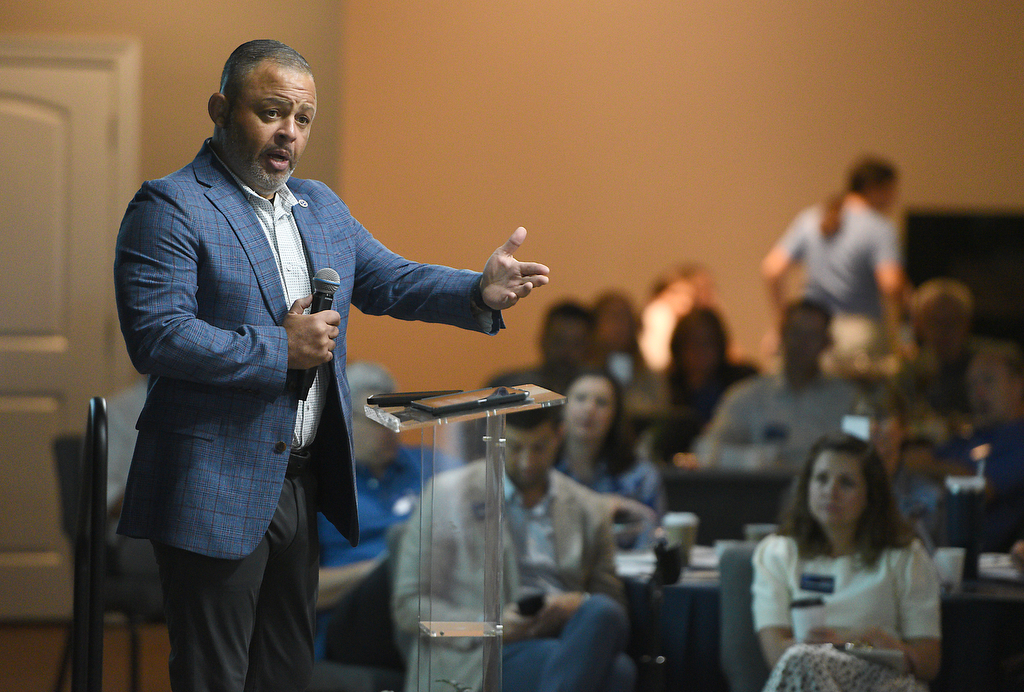
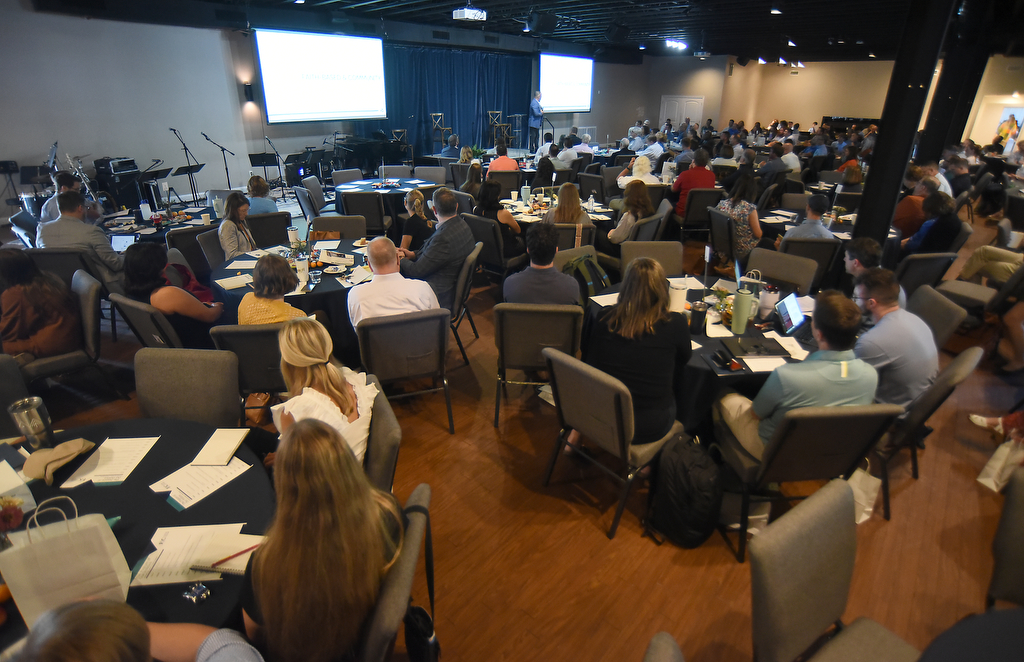
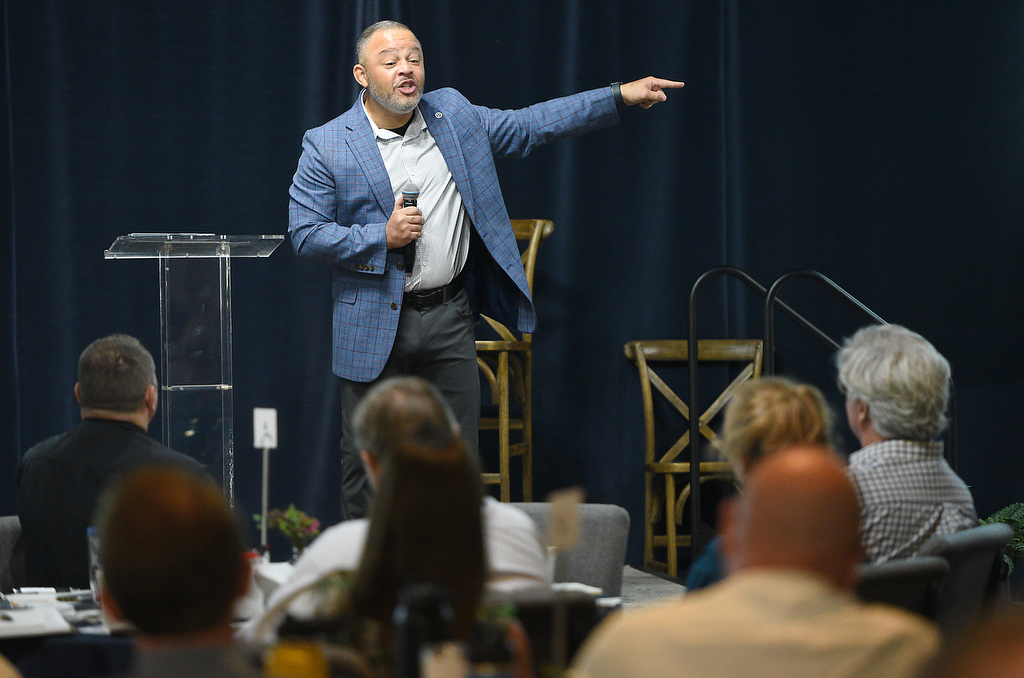
Urging attendees to, among other things, invite those they disagree with into their home for meals, Fries discussed what it means to be Christ-like while navigating political life.
“No one ever drifts toward unity, holiness and mission,” he said, comparing humans to cars driving out of alignment. “The only way to get that car to drive straight is to overcorrect in the opposite direction. We have to constantly pull the car back when it comes to unity, when it comes to mission, when it comes to holiness.”
Next came Deputy Director Monty Burks of the Governor’s Faith-Based and Community Initiative, which seeks to connect government and local community groups. The initiative’s chief, Lace Villio, had to cancel. Having rushed in from Nashville, Burks told his own story of addiction recovery and of the power of faith groups in community and encouraged people to reframe their preconceptions about government.
“Government should be a lever you pull in order to do something in your community,” Burks said.
Next came Kaitlyn Schiess, a Duke Divinity School doctoral student who wrote “The Ballot and the Bible: How Scripture Has Been Used and Abused in American Politics and Where We Go from Here.”
(READ MORE: Former Tennessee Govs. Haslam and Bredesen talk polarization in Chattanooga)
She drew on the Bible to describe a Christian political imagination that was, under the dominion of God, “contingent” and “provisional” — and thus could be freed from the fear that failure means all is lost, given the ultimate justice promised by God.
“I grew up in some churches that said, ‘Jesus is coming back, we don’t really have to worry about that much,'” she said.
But, she added, this doesn’t actually “mean that politics doesn’t matter. It means we are free to do politics without carrying the weight of the world on our shoulders.”
Contact Andrew Schwartz at aschwartz@timesfreepress.com or 423-757-6431.