
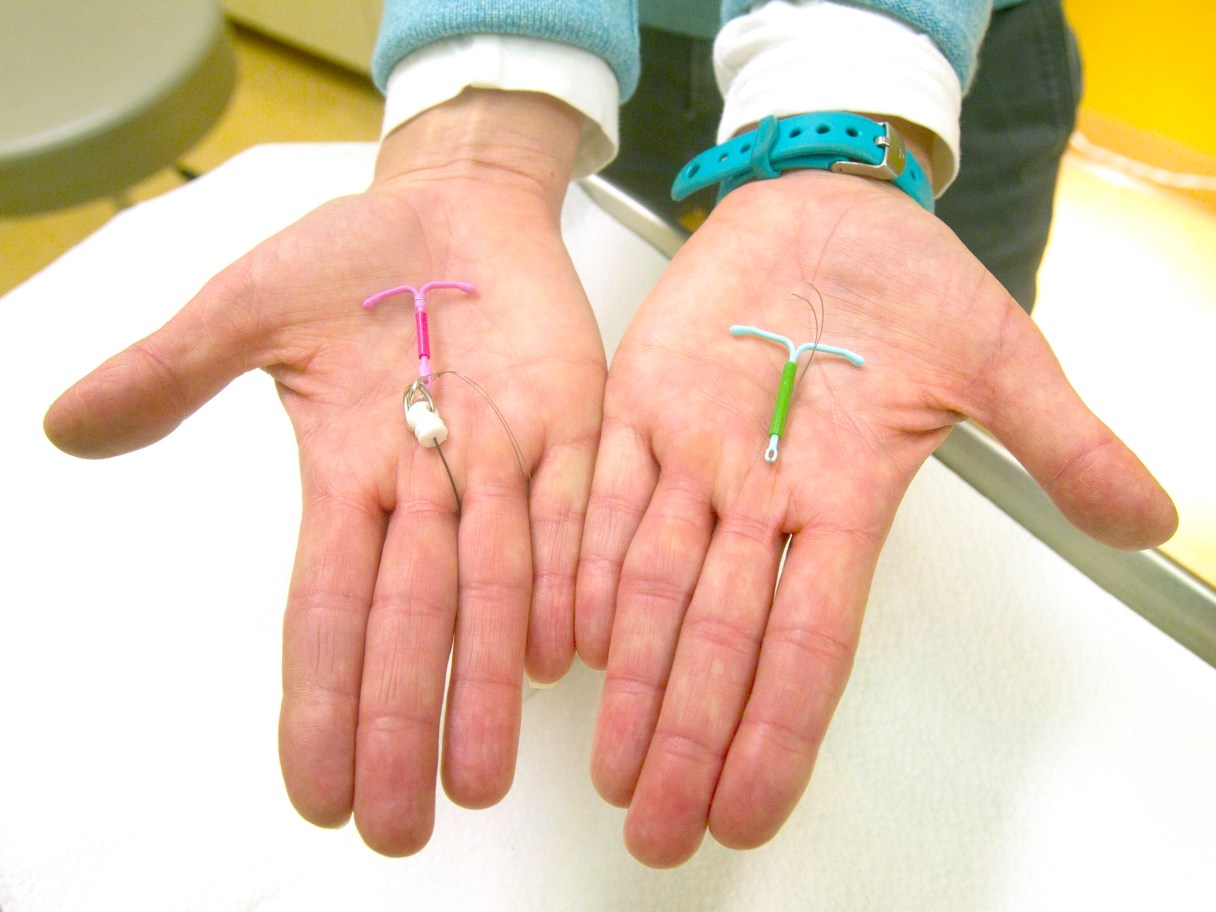
Federal officials affirmed this month that the pain people might feel when getting an IUD can be more than doctors’ promises of “just a pinch.”
The local anesthetic lidocaine “might be useful for reducing patient pain” when inserting intrauterine devices, according to new guidance from the U.S. Centers for Disease Control and Prevention, which also encourages doctors to have a conversation with patients about pain management.
Women have used social media to advocate for more pain-management options, even recording and posting videos to document their grimaces, screams and tears as IUDs are put in. But complaints of pain are not limited to the small, long-lasting birth control device.
Many relatively quick outpatient procedures can cause pain, including biopsies and examinations of the uterus and cervix. Gynecologists and patients say there need to be more conversations about options for local anesthetics — as well as other pain-relief options for these procedures.
Pain relief options