
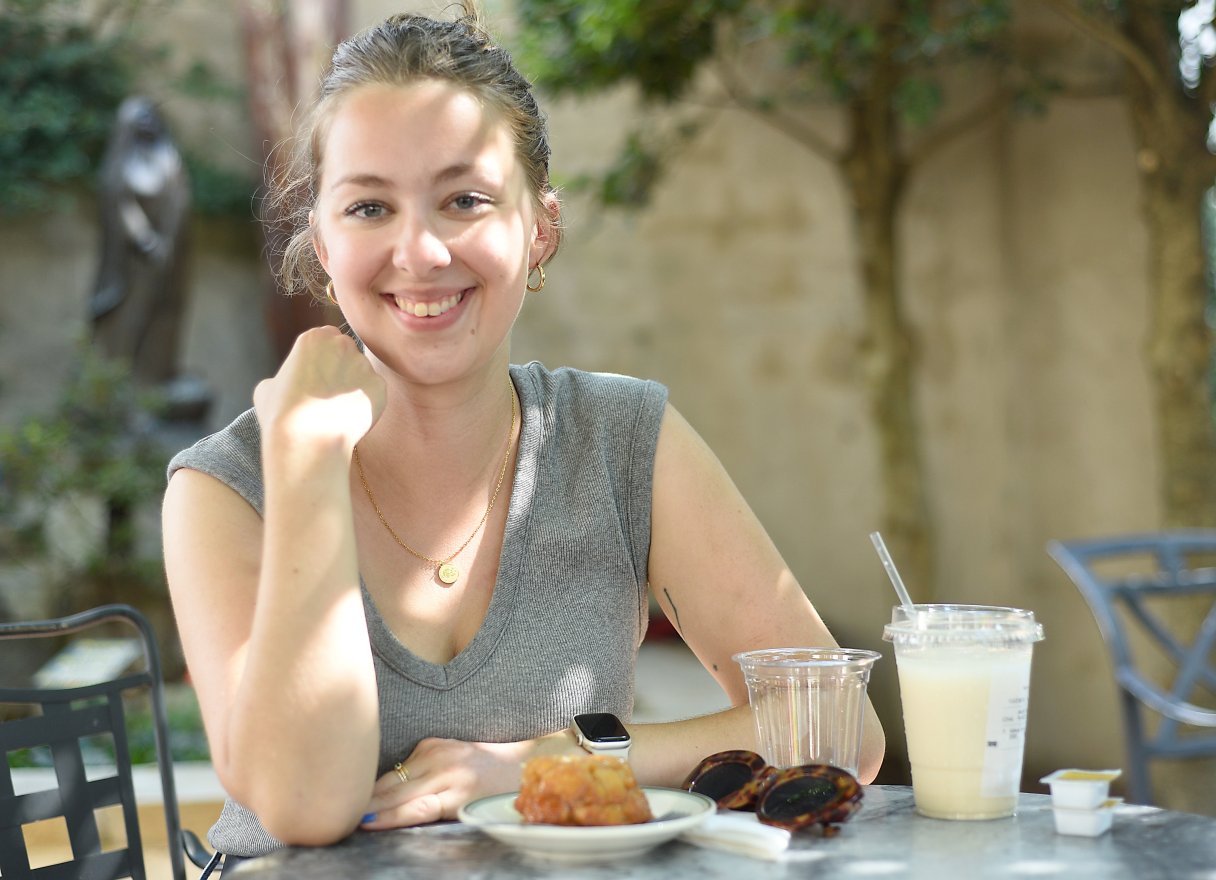
Abigail Little, 30, has lived with the effects of moderate to severe endometriosis, an incurable gynecological disease, since her youth and has been on birth control since age 14.
Endometriosis occurs when tissue similar to the lining of the uterus grows outside the uterus, according to the World Health Organization, and it affects 10% of reproductive-age women and girls worldwide. While endometriosis typically appears in the lower abdomen and pelvic areas, Little said the disease has spread to her kidneys, bladder and intestines.
“It’s hard to describe for somebody who doesn’t have it,” she said by phone. “I think the closest thing that I can put in perspective is it just kind of feels like somebody’s inside of my body, just kind of raking and pulling and twisting my reproductive organs.”
An IUD is the only thing that gives Little reprieve and subdues her symptoms, which include ovarian cysts, constant back pain, lesions, nausea and extremely heavy bleeding, she said. Without it, her pain is excruciating, and each month when it’s time for her menstrual cycle, Little said her entire body feels it.